Understand any stock in simple English
Enter a ticker to learn what the company does and how it makes money.
Grupo Traxión, S.A.B. de C.V.
Grupo Traxión moves and stores goods across Mexico and Latin America through trucks, warehouses, and logistics services, and also runs passenger transport and school bus routes.
Grupo Traxión is a Mexican logistics company. If you bought something made in Mexico or shipped through Mexico, there is a decent chance a Traxión truck or Traxión warehouse touched it somewhere along the way.
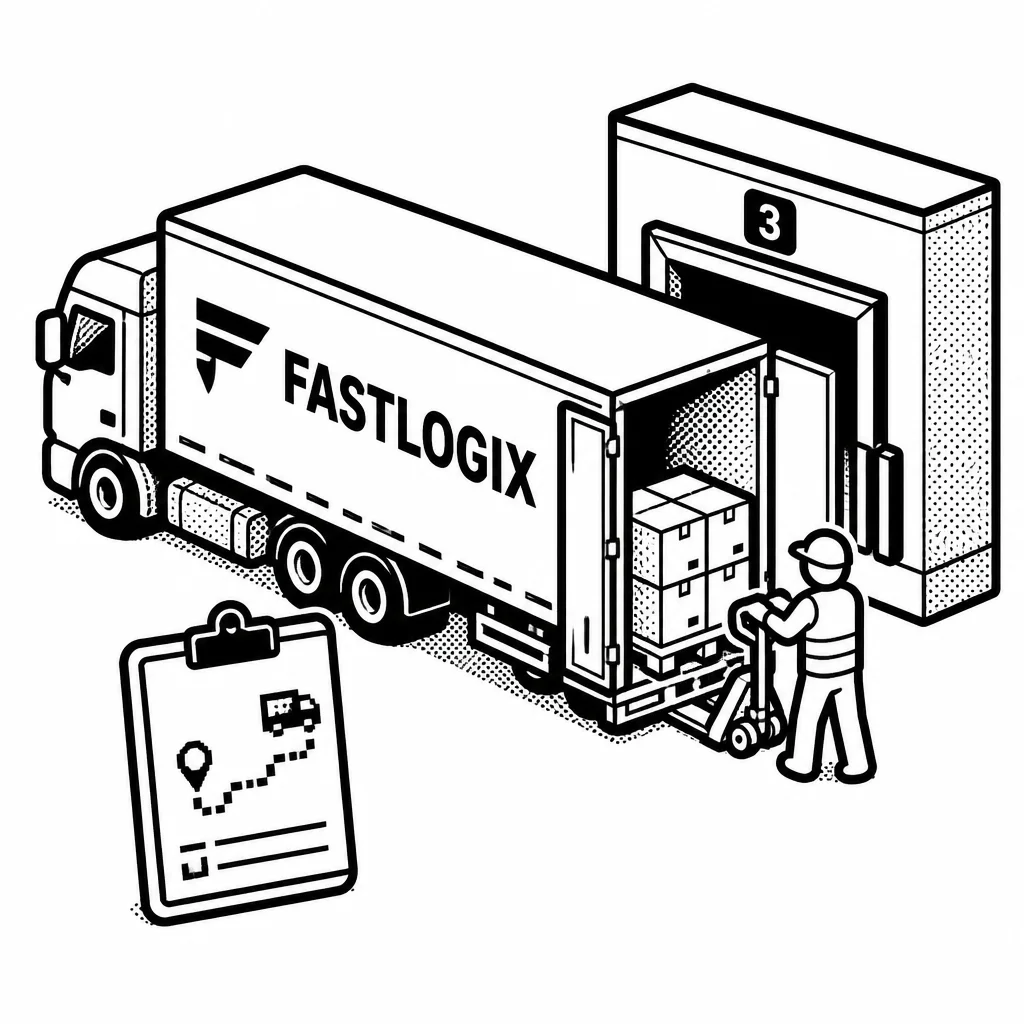
Its main job is freight: moving goods by truck, managing warehouses, and coordinating the messy parts of supply chains for big companies. It also has a second business that many people don't know about — running passenger buses and school transport routes. That mix makes it a bit unusual. Most logistics firms pick one lane; Traxión runs both the truck that hauls your packages and the bus that takes your kids to school. The company is based in Mexico and has spread across Latin America, and it has grown largely by buying other operators and stitching them into one network. That matters because in trucking, the biggest moat is scale and reliability. A manufacturer with factories in several countries does not want five separate local haulers; it wants one partner that can handle the whole route and answer the phone when something goes wrong. Traxión sells itself as that partner. The honest flip side is that this is a heavy, capital-hungry business. Trucks burn fuel, need drivers, and wear out, and margins are thin. The company borrows money to buy fleets and make acquisitions, so higher interest rates and a slowing economy can squeeze it. Freight volume tracks trade and manufacturing — when factories slow down, so do the trucks.
The big things to watch are whether it can keep integrating acquisitions without bloating, and whether its freight and passenger segments move in different directions. Both are essentially bets on the Mexican and Latin American economy chugging along, and on companies deciding it is cheaper to hand their logistics to a specialist than to run their own fleets.
Saved answer · last researched 12 Nov 2026