Understand any stock in simple English
Enter a ticker to learn what the company does and how it makes money.
Texas Pacific Land Corporation
Texas Pacific Land earns money from oil and gas royalties, land management, and selling water services to energy companies in the Permian Basin.
Texas Pacific Land is, at its heart, a landlord for the oil business. It owns a huge spread of land in West Texas, mostly in the Permian Basin, one of the busiest oil-producing regions in the country. When energy companies want to drill on that land, they pay Texas Pacific Land a royalty — a cut of the oil and gas that comes out of the ground. The company doesn't drill, run rigs, or take on the cost of a dry well. It simply owns the dirt and collects a slice of the action.
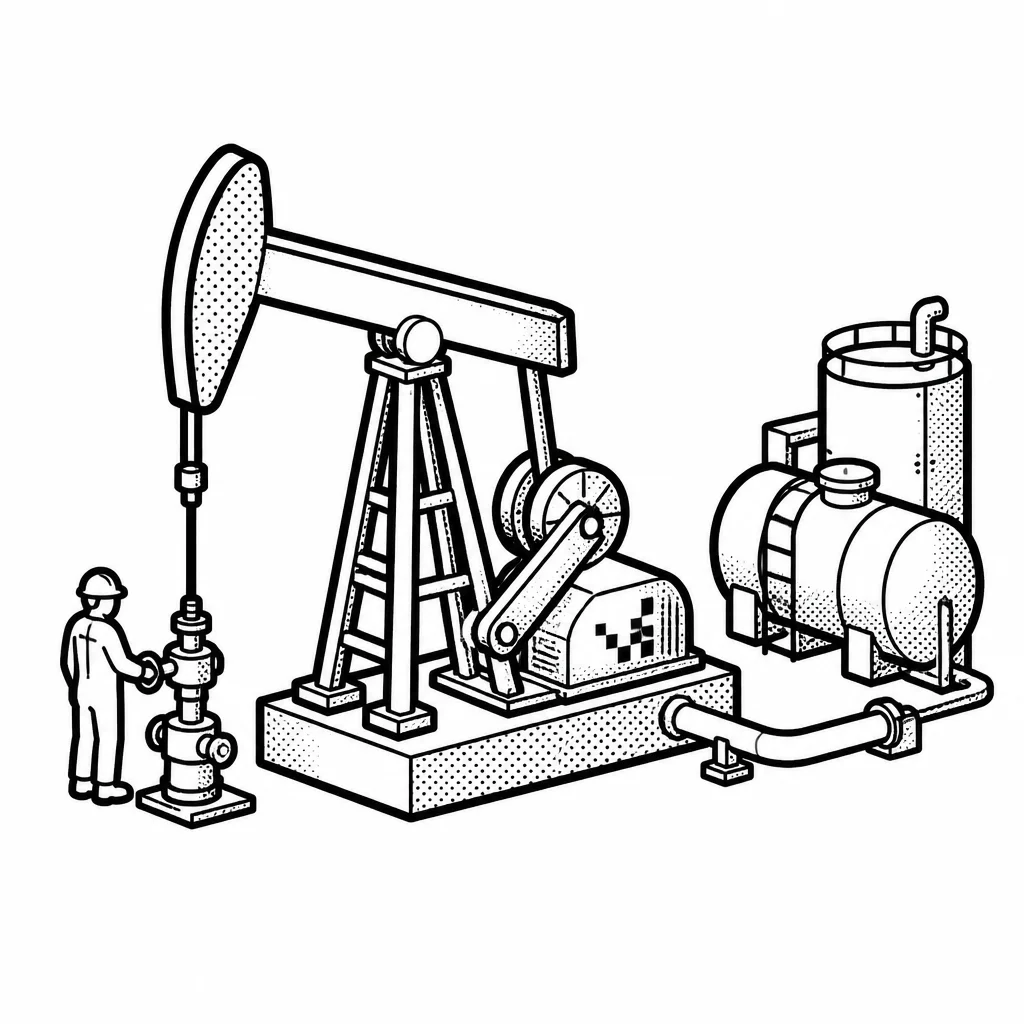
That land came from an unusual place. The company's roots go back to the 1880s, when it was set up to manage land grants tied to the Texas and Pacific Railway. Over time, those old railroad acres turned out to sit on top of some of the richest oil fields in America. Today the royalty business is the big money-maker, and it's a remarkably cheap operation to run — little staff, little equipment, and fat profit margins. The second leg is water. Fracking, the technique used to crack open shale rock and release oil, needs enormous amounts of water, and it also produces a lot of dirty "produced water" that has to be dealt with. Texas Pacific Land sells water to operators and runs pipelines and disposal wells to handle the wastewater. That business grows right alongside drilling activity, and it's become a meaningful source of revenue.
The company also leases land for other uses — grazing, easements, pipelines, and increasingly big projects like data centers and renewable energy. For a long time it was a strange little trust with a tiny share count, but in 2021 it converted into a normal corporation. It generates piles of cash, pays a modest dividend, and buys back its own shares. The catch is that its fortunes rise and fall with Permian drilling and oil prices — when activity slows, so does the royalty stream. It's a lean, high-margin toll booth on one of the world's great oil patches.
Saved answer · last researched 12 Nov 2026