Understand any stock in simple English
Enter a ticker to learn what the company does and how it makes money.
TPI Polene Power Public Company Limited
TPI Polene Power turns trash and industrial waste into fuel and electricity, and also runs petrol stations in Thailand.
TPI Polene Power is a Thai company that makes money from other people's garbage. It takes waste — household trash, old tires, and leftover material from factories — and turns it into refuse-derived fuel, a shredded, burnable mix that looks a bit like confetti made of things nobody wanted. It burns that fuel in power plants and sells the electricity to Thailand's national grid. So the company gets paid twice: once to handle waste that would otherwise pile up or go to a landfill, and again for the power it produces.
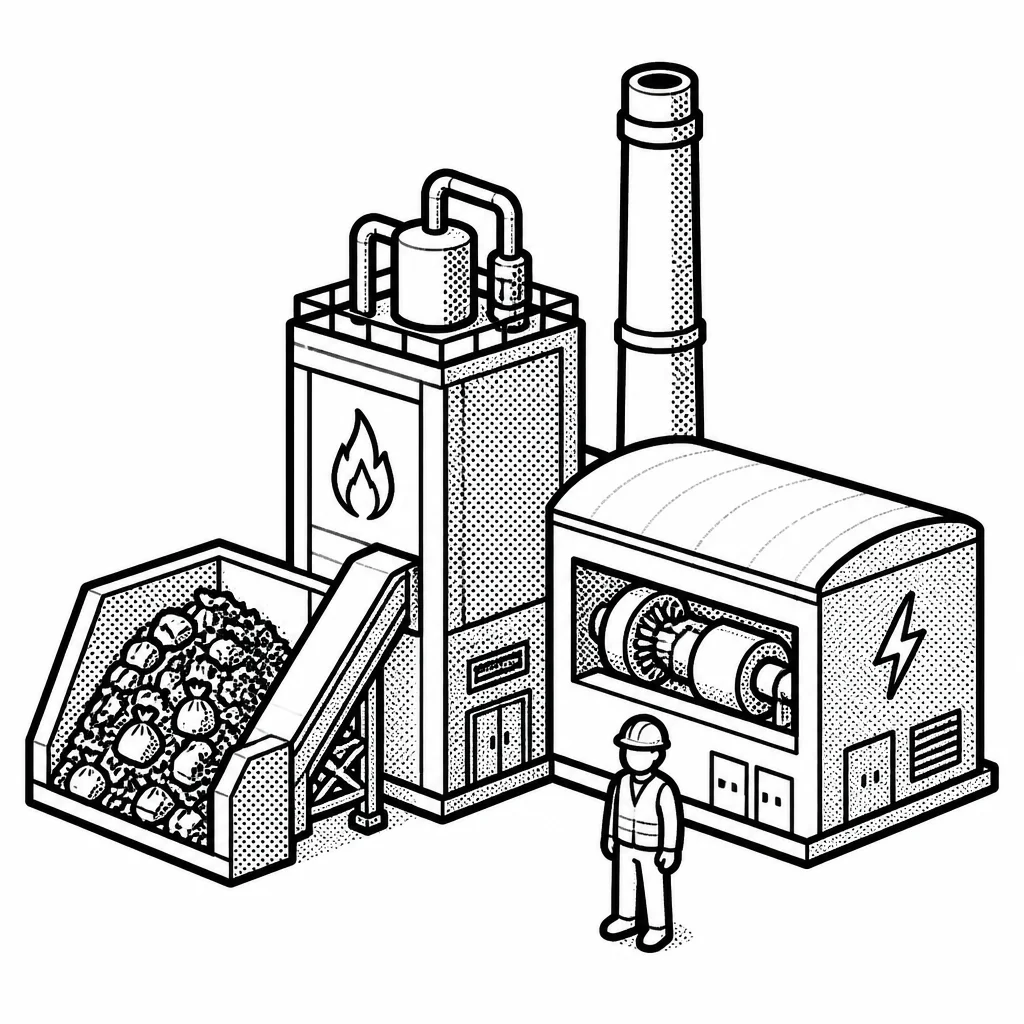
The neat trick here is that the company sits inside a much bigger industrial family. TPI Polene Power grew out of the TPI Polene cement group, and that relationship matters enormously. Cement kilns are famously hungry for heat, and they can safely burn waste-derived fuel in place of coal. That gives the power arm a ready customer for its fuel and a dependable partner for building plants, while the cement side gets a cheaper, greener way to fire its kilns. The two businesses feed off each other. Its electricity business is mostly built on long-term contracts with Thailand's state electricity authority, which buys power at agreed rates. That contract structure makes cash flow fairly predictable, which is unusual for a company whose raw material is literally rubbish. The company also runs a chain of petrol stations, a smaller piece of the business that sells fuel to everyday drivers and gives the company a retail face alongside its industrial one.
The main risk is that this is a capital-hungry business. Power plants cost a lot to build, and the company's growth depends on winning new waste-supply deals and signing new power contracts. It is also exposed to Thailand's energy rules, since the government sets the terms for who can sell power and at what price. But the basic idea is sturdy and a little clever: get paid to take a problem away, and get paid again to turn it into something people need.
Saved answer · last researched 12 Nov 2026