Understand any stock in simple English
Enter a ticker to learn what the company does and how it makes money.
Tourmaline Oil Corp.
Tourmaline Oil is a Canadian energy company that finds, drills, and sells natural gas and oil from western Canada.
Tourmaline Oil is one of Canada's biggest natural gas producers. It hunts for gas and oil trapped in underground rock across western Canada, especially in the Western Canadian Sedimentary Basin, then drills wells and sells what comes out to energy markets. If you heat a home or run a factory that burns natural gas, there's a decent chance some of those molecules started in a Tourmaline well.
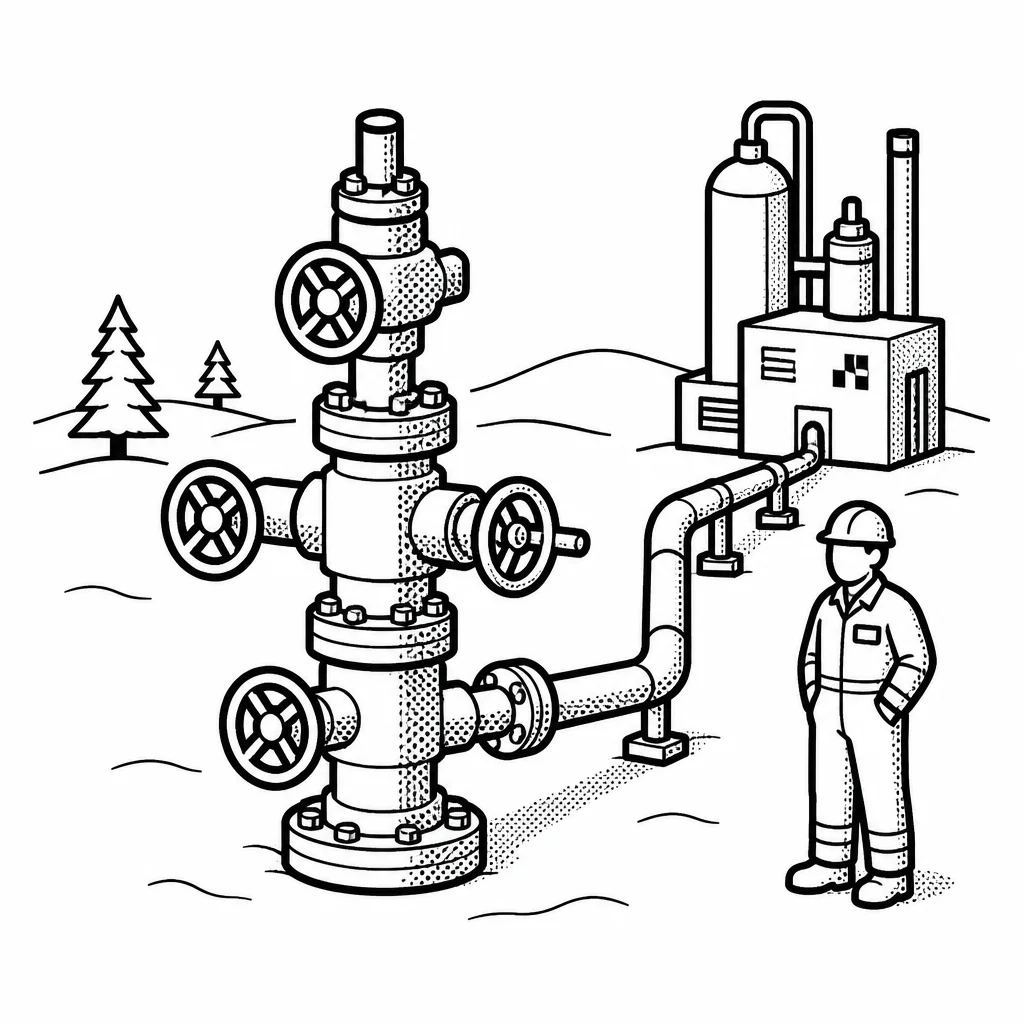
The business is built on drilling, not refining or retail. Tourmaline finds promising rock, drills wells, and connects them to pipelines so the gas and oil can flow to buyers. Most of its output is natural gas, with crude oil and natural gas liquids making up the rest. Its customers are the utilities, industrial users, and energy traders who need steady supply, and its edge comes from owning large, low-cost reserves in a few core areas so it can drill efficiently and keep costs down. Like every oil and gas producer, Tourmaline lives and dies by commodity prices. When gas prices are high, the cash rolls in; when they crash, the same wells earn far less, and Tourmaline has no control over the price it gets. It also faces the long-term question hanging over all fossil fuel producers: how fast the world shifts to cleaner energy. Its main competitors are other large Canadian gas producers such as Canadian Natural Resources and Arc Resources, plus gas exporters shipping to the same markets.
One thing that sets Tourmaline apart is how it treats the cash it generates. Rather than plowing everything back into new drilling, it has paid a growing dividend and bought back its own shares, returning money to investors while still growing production. It has also spent billions acquiring smaller rivals to bulk up its land position, betting that scale in low-cost gas fields will keep paying off. Whether that bet looks smart depends heavily on where natural gas prices go next.
Saved answer · last researched 12 Nov 2026