Understand any stock in simple English
Enter a ticker to learn what the company does and how it makes money.
TriNet Group, Inc.
TriNet handles payroll, benefits, and HR paperwork for small and medium-sized businesses so their owners can focus on running the company.
TriNet is a company that takes the boring, risky, and confusing parts of employing people off a small business owner's plate. When a dentist's office or a tech startup hires its tenth employee, someone has to run payroll on time, withhold the right taxes, offer health insurance, and keep up with a maze of employment laws. TriNet does all of that for them, acting as what the industry calls a professional employer organization, or PEO.
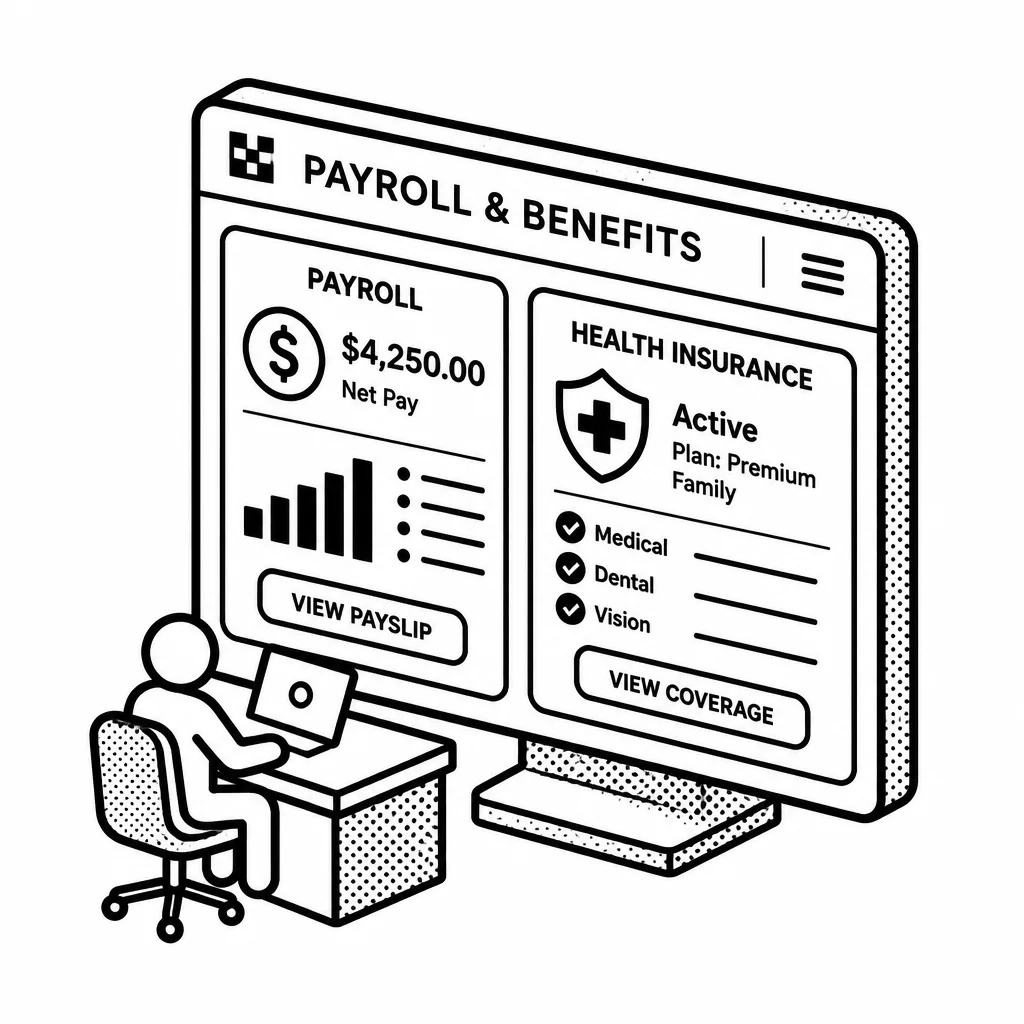
Here is the key wrinkle that makes TriNet more than just payroll software: in many arrangements, TriNet becomes the legal co-employer of the client's workers. That means the employees technically show up on TriNet's payroll, and TriNet takes on much of the legal responsibility for things like workers' compensation and compliance. The client still runs the day-to-day business and directs the staff. TriNet gets paid a fee per employee, plus it earns a spread on the benefits it provides — it pools thousands of small companies together so they can get health insurance and other perks closer to what a giant corporation pays. That co-employment model is TriNet's moat and its risk. Small businesses choose it because buying benefits and staying compliant on your own is expensive and scary, and joining a big pool is cheaper and safer. But the arrangement also means TriNet carries real liability, and its fortunes rise and fall with how many people its clients employ. When small businesses are hiring and confident, TriNet collects more fees; when they freeze hiring or lay people off, the per-employee revenue shrinks.
The company has been through a notable turn in recent years. It sold its large, lower-margin "Enterprise" clients and focused harder on its core small and mid-sized customers, which lifted the profitability of what remained. TriNet also put real effort into its HealthAdvantage product, a bundled health and benefits offering sold directly to smaller businesses. And it has spent meaningfully on buying back its own stock — in its 2024 fiscal year it repurchased roughly 11% of its shares outstanding, a big bet that the market was undervaluing the business. That kind of aggressive buyback is worth watching: it can boost per-share returns, but it also leaves less cash cushion if small-business hiring slows.
Saved answer · last researched 15 Nov 2026