Understand any stock in simple English
Enter a ticker to learn what the company does and how it makes money.
Telix Pharmaceuticals Limited
Telix makes radioactive medicines and imaging agents that help doctors find and fight cancer.
Telix Pharmaceuticals is a cancer company with a twist: it makes radioactive drugs that both light up tumors and attack them. Doctors use its products to see exactly where a cancer is hiding, and in some cases to deliver a targeted dose of radiation straight to the tumor cells. The big idea is precision — instead of blasting the whole body with radiation, you attach the radiation to a molecule that hunts down cancer cells and sticks to them.
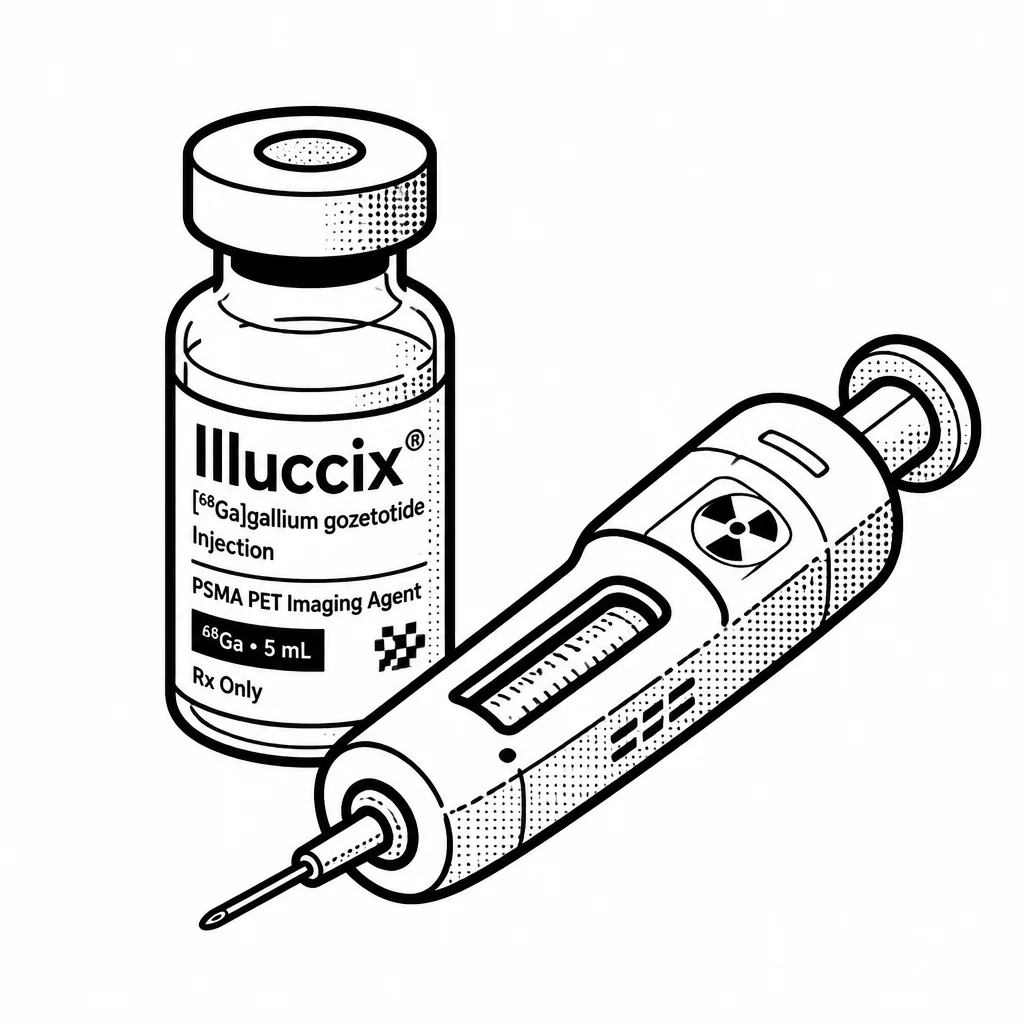
Its best-known product is a imaging agent for prostate cancer. A patient gets an injection, and a PET scan then shows doctors where the cancer has spread, which helps them decide on the right treatment. Telix also sells therapeutic versions — the same targeting idea, but with a stronger radioactive payload meant to kill cancer cells rather than just reveal them. Hospitals and clinics are the customers, and patients are the ones who benefit. The company is headquartered in Melbourne, Australia, but it operates globally, with a big presence in the United States, which is its most important market. It has grown fast by getting its products approved and reimbursed, and by building out a supply chain of radiopharmacies — because radioactive drugs decay quickly and must be made and delivered close to the patient. That logistics network is a real barrier for competitors.
Telix is not yet a big profitable machine; it is still investing heavily in research and in expanding its menu of products, including kidney, brain, and other cancer types. The risks are real: regulatory approvals can be slow, reimbursement decisions can change, and the field is getting crowded with rivals like Novartis and Bayer chasing the same radioactive-drug opportunity. But if the science keeps working, Telix sits in one of the more promising corners of cancer treatment.
Saved answer · last researched 12 Nov 2026