Understand any stock in simple English
Enter a ticker to learn what the company does and how it makes money.
TIM S.A.
TIM is a Brazilian telecom company that sells mobile phone plans, internet, and data services to people and businesses.
TIM is one of Brazil's big mobile phone companies. It sells the thing most Brazilians use every day: a phone that connects to the internet. You buy a SIM card or a plan, and TIM keeps you talking, texting, and scrolling. It serves regular people with prepaid and postpaid mobile plans, and it sells broadband and data services to companies too.
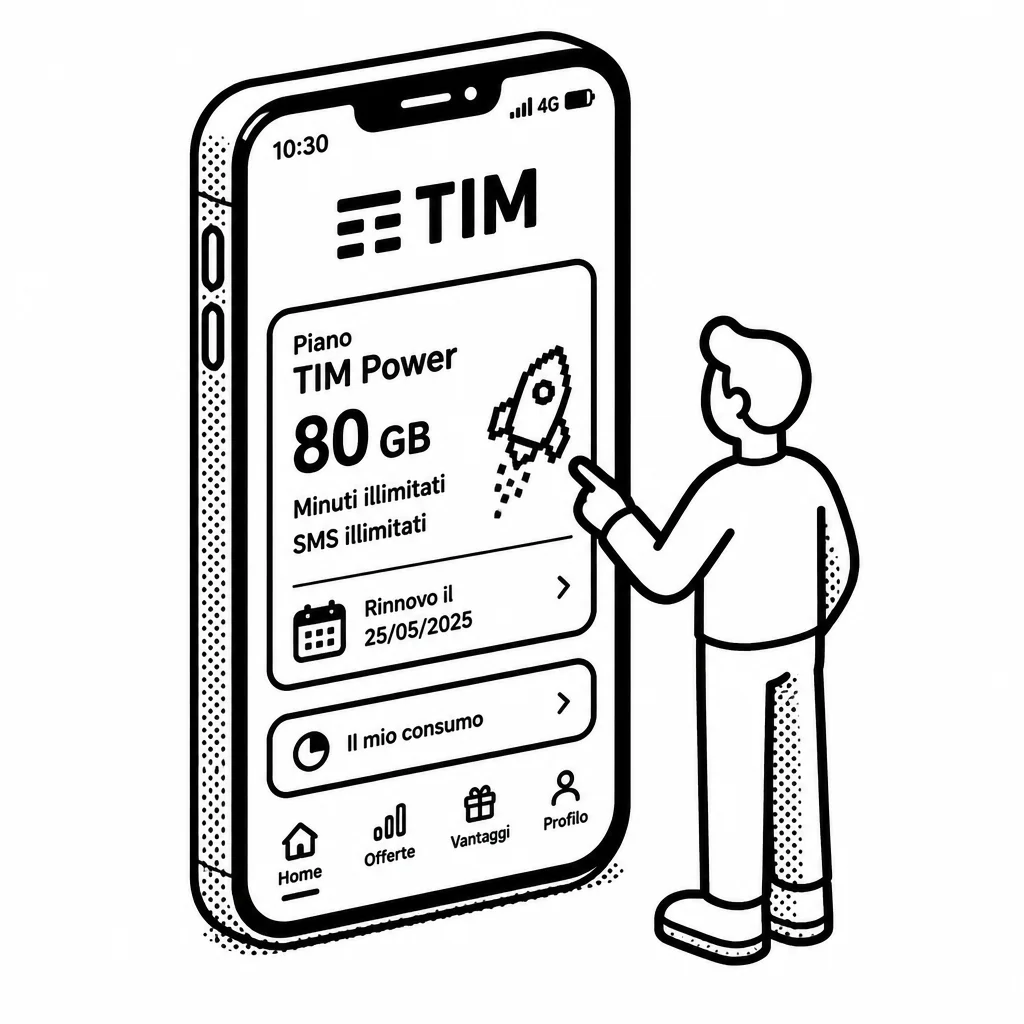
The business works like a toll road. TIM builds and rents the network — towers, antennas, spectrum licenses — and customers pay a monthly bill or buy prepaid credit. The catch is that Brazil has three big national mobile players, and they compete hard on price and coverage. TIM's pitch is a strong network and simple, flexible plans, especially in the prepaid market where many lower-income Brazilians top up week by week. It also bundles fixed broadband and corporate data services, so a business customer can buy connectivity from one place. Here is the uncomfortable part: telecom is a capital-hungry business. Every few years the company must spend heavily to upgrade its network and buy spectrum in government auctions, and those bills arrive whether or not customers are happy. That leaves less spare cash than a software company would have. The offset is that once the network is built, each extra customer costs very little to serve, so scale matters enormously.
TIM's history includes a twist. It was formerly known as Intelig Telecomunicações, and the company's ownership has shifted over the years — it is controlled by Telecom Italia, the Italian phone group Telecom Italia, which ties the Brazilian operation to a much larger European parent. That matters because strategy and capital decisions can be shaped from Italy, not just São Paulo. The big question for investors is whether TIM can keep growing subscribers and raising prices faster than it spends on its network.
Saved answer · last researched 12 Nov 2026