Understand any stock in simple English
Enter a ticker to learn what the company does and how it makes money.
Thule Group AB (publ)
Thule makes the racks, carriers, strollers, and bags that let people haul their gear and kids outdoors, and sells them to retailers and consumers around the world.
Thule is the company you quietly thank when you stuff four bikes, a roof box, and a screaming toddler into a car and somehow still make it to the trailhead. It sells the hardware that lets people carry things they can't fit in their hands: roof racks and bike carriers for cars, strollers and child bike seats for families, and backpacks, luggage, and camera bags for people on the move. The products are designed in Sweden and sold under brands like Thule, Chariot, and Case Logic.
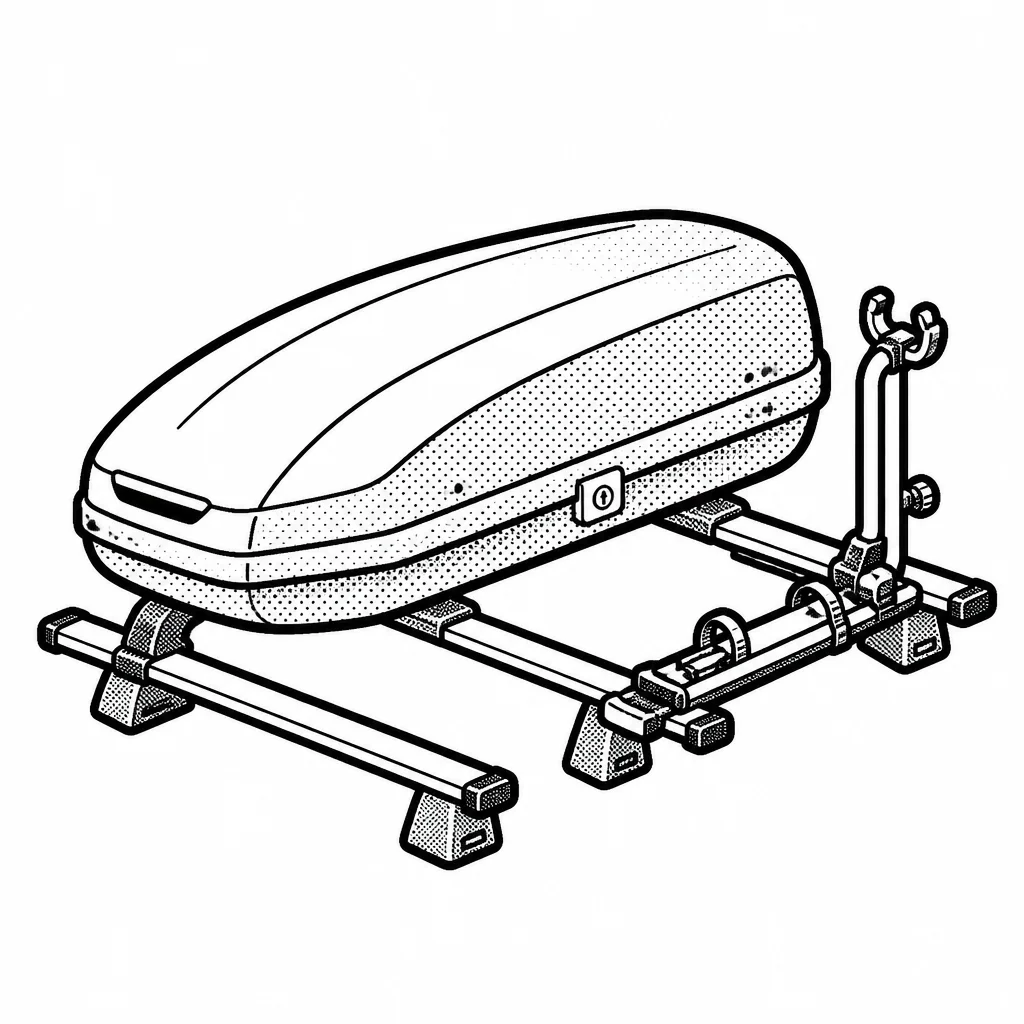
The money comes from selling to retailers — sporting goods stores, car dealers, outdoor shops — and increasingly straight to consumers online. People pay up because these are the products that hold their expensive skis or their kid, so trust matters more than price. A cheap bike rack that fails at highway speed is a very different problem from a cheap t-shirt. That trust, plus a wide global distribution network, is what Thule leans on against rivals like Yakima and cheaper no-name brands. Thule splits its business into three areas: outdoor and bike gear, bags and luggage, and the juvenile products (strollers, child seats) that came largely from buying Chariot. That last category matters because it makes Thule a family brand, not just an adventure brand — the same customer who buys a bike carrier in their twenties buys a stroller a few years later.
The company is headquartered in Sweden and listed on Nasdaq Stockholm. It relies on its cash flow to pay dividends and fund product development, and it grows partly by acquiring smaller brands that fit its outdoor-and-family theme. The simple bet: people keep spending on experiences outside, and Thule keeps selling them the gear to get there.
Saved answer · last researched 12 Nov 2026