Understand any stock in simple English
Enter a ticker to learn what the company does and how it makes money.
Target Hospitality Corp.
Target Hospitality rents out and runs temporary housing camps for workers and government clients, mostly in remote parts of North America.
Target Hospitality is a company that builds and runs places to sleep and eat for people who work far from home. When a big construction project, a pipeline, or an oil field sits hours from the nearest town, there are no hotels and often no apartments. Target Hospitality sets up camps near the work site and rents out rooms, meals, and basic services to the companies doing the work.
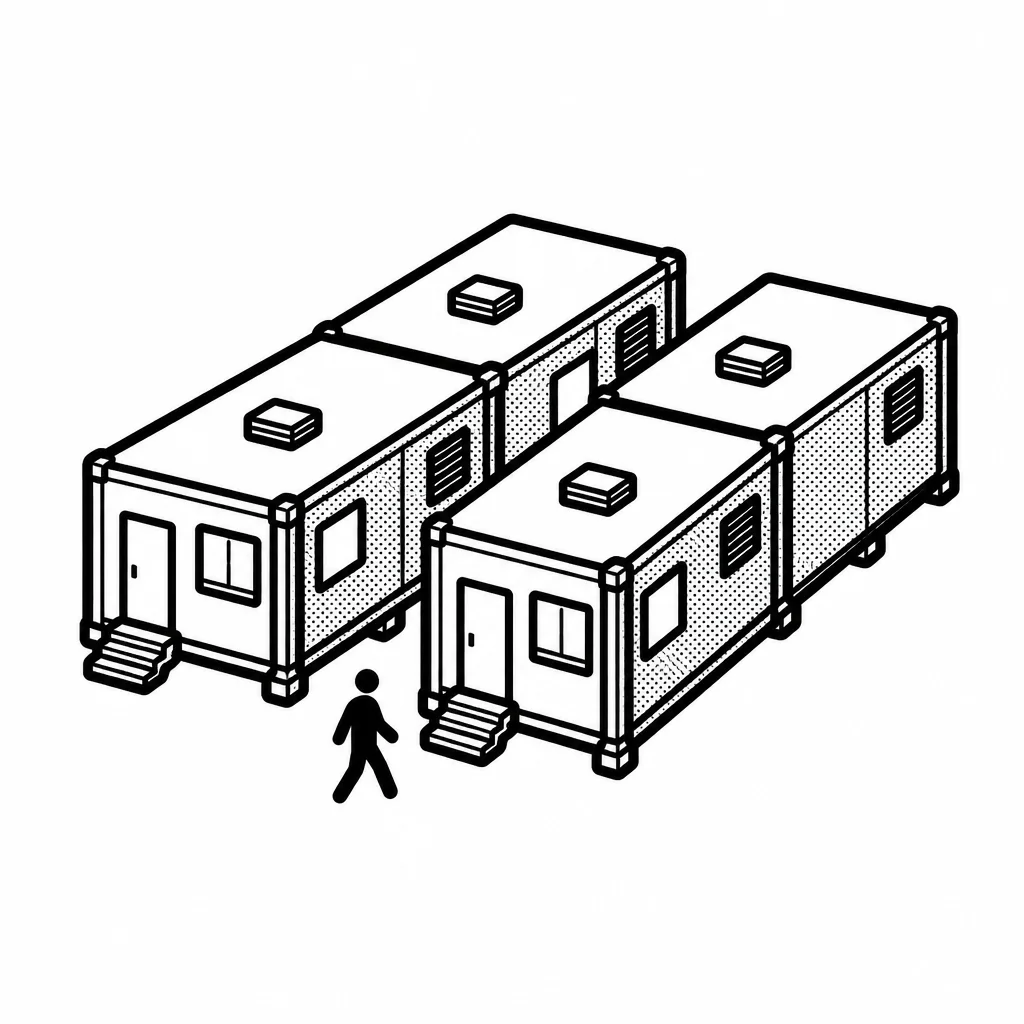
The business runs on long-term contracts. A customer like an energy or construction company agrees to rent a block of beds for months or years, and Target Hospitality handles the cooking, cleaning, maintenance, and security. That makes revenue steadier than a normal hotel's, which rises and falls with weekend travel and tourist seasons. The camps are built to be moved or expanded, so the company can follow work crews as projects start and finish. A second big customer is the U.S. government. Target Hospitality provides housing for government programs, including sheltering for unaccompanied children at the border through contracts with federal agencies. That work is large and can swing sharply with policy changes, which makes it both a source of revenue and a source of risk. The company also serves other industrial and infrastructure clients across North America.
Headquartered in The Woodlands, Texas, Target Hospitality sits in the same state as much of the oil and gas industry it serves. Its edge is location and logistics: it goes where the workers are and takes care of the boring but essential details so its customers can focus on the job. The catch is that its fortunes are tied to construction and energy spending and to government decisions it cannot control. When those slow down, the beds sit empty, and empty beds do not pay.
Saved answer · last researched 16 Nov 2026