Understand any stock in simple English
Enter a ticker to learn what the company does and how it makes money.
Technogym S.p.A.
Technogym designs and sells fitness and wellness equipment — from gym machines to digital training systems — to gyms, hotels, clinics, and homes around the world.
Technogym makes the machines people sweat on and the software that tells them how hard to sweat. It builds treadmills, resistance machines, and exercise bikes, then sells them to commercial gyms, hotel fitness centers, sports teams, medical rehab clinics, and wealthy homeowners who want a private gym. The company is based in Cesena, Italy, a small town in the Emilia-Romagna region that has quietly become a global hub for fitness equipment manufacturing.
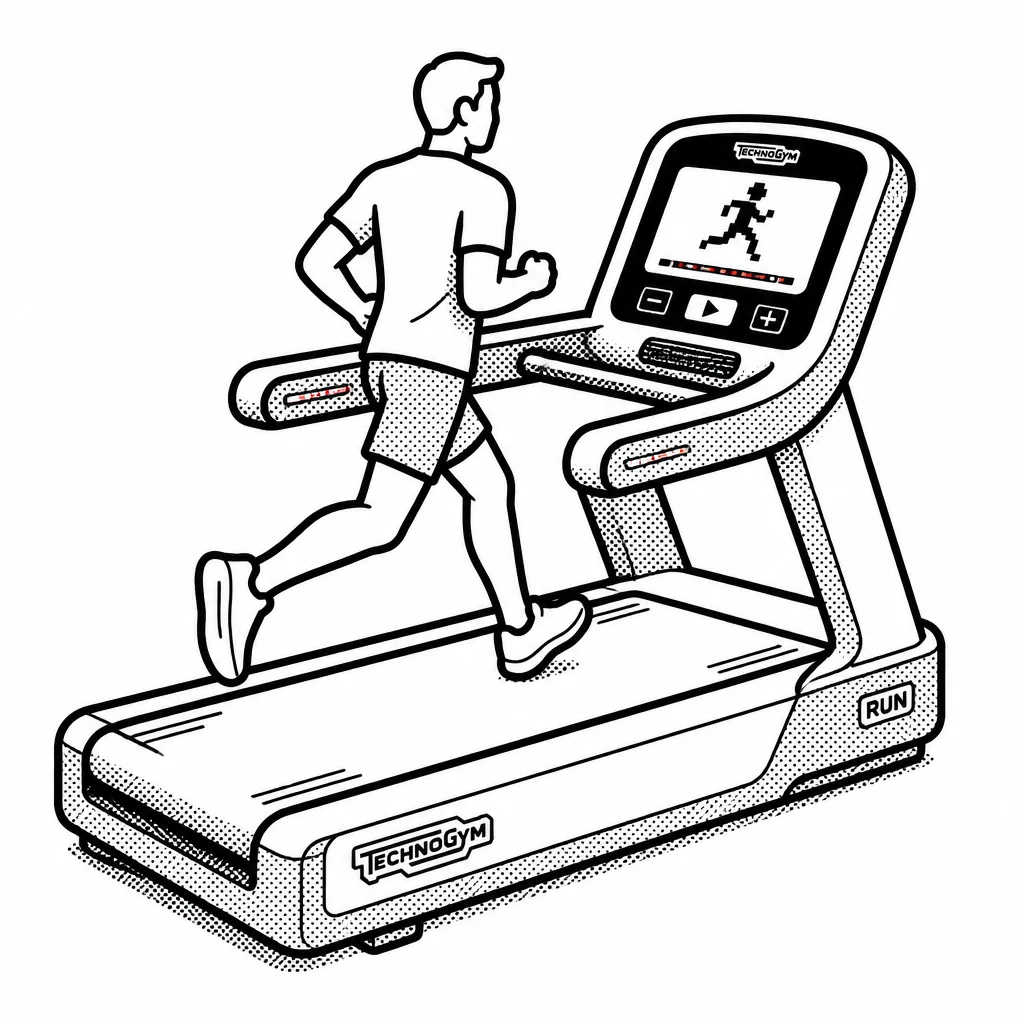
The business splits into two broad halves. Commercial sales go to gyms, hotels, and wellness centers — the big institutional buyers who equip entire floors with matching machines and often sign multi-year service contracts. The home side sells premium equipment to individuals, a smaller but higher-margin business that got a boost when people scrambled to build home gyms during the pandemic. Technogym also sells digital services: its Mywellness platform connects machines, tracks workouts, and lets gyms manage their members' data, which keeps customers locked into the ecosystem once they've bought the hardware. What makes Technogym stand out is design and brand prestige. Its equipment shows up at the Olympics and in five-star hotels, and the company leans hard on Italian design heritage the way a fashion house leans on Milan. That positioning lets it charge more than commodity gym-equipment makers. Its main rivals are Peloton in connected home fitness and a mix of commercial equipment manufacturers, though Technogym's scale and Olympic pedigree give it an edge in the premium institutional market. The company has been publicly traded on the Milan exchange since 2016, and the founding Alessandri family still holds a controlling stake.
The business is cyclical in a simple way: when gyms open new locations or hotels renovate, Technogym sells machines. When belts tighten, orders slow. It has been investing in digital subscriptions and connected equipment to smooth that out, betting that recurring software revenue is steadier than one-time hardware sales. A notable chapter: founder Nerio Alessandri started the company in his garage in 1983, and it grew into one of Italy's best-known global brands — proof that a small-town workshop can become the face of an entire industry.
Saved answer · last researched 12 Nov 2026