Understand any stock in simple English
Enter a ticker to learn what the company does and how it makes money.
Teleflex Incorporated
Teleflex makes single-use medical devices — catheters, breathing tubes, surgical tools — that hospitals and doctors use once and throw away.
Teleflex is a medical device maker, and its business is built on the small, disposable tools that keep hospitals running. When a patient needs a breathing tube, a doctor needs a special catheter threaded into an artery, or a surgeon needs a device to close a wound, Teleflex often makes the thing that gets used once and thrown away. Hospitals buy these by the box, and since they're consumed daily, the sales keep coming back.
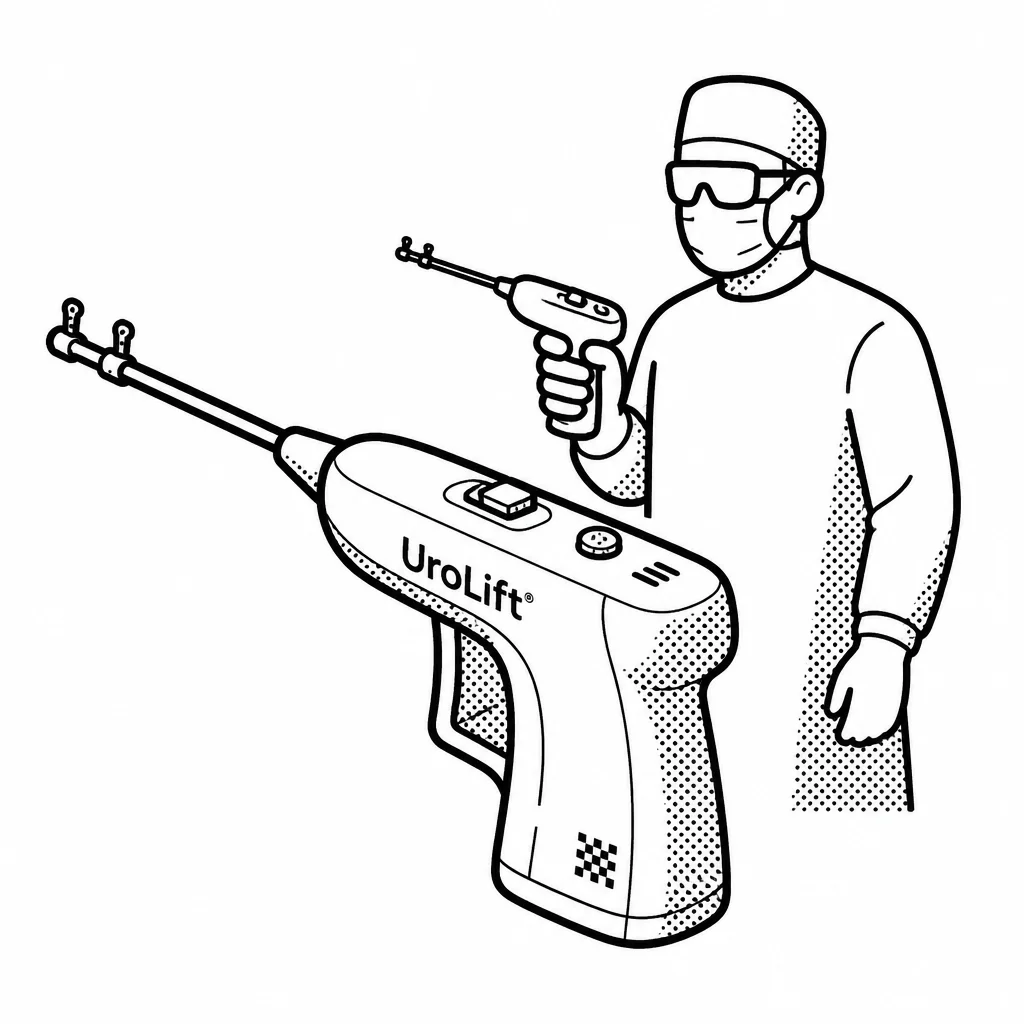
The company's biggest and most important product is a family of vascular access devices sold under the Arrow brand — catheters that go into veins and arteries so doctors can give drugs, draw blood, or monitor blood pressure. Teleflex also sells airway management products like laryngeal masks that keep patients breathing during surgery, and a range of surgical and urology products. It sells to hospitals and healthcare providers, mostly in the United States, and it competes with larger players like Becton Dickinson and Medtronic, though much of its business sits in niches where it holds a strong position. The quiet power of this kind of business is that it isn't glamorous, but it's sticky. Once a hospital standardizes on a catheter brand, nurses and doctors get trained on it, and switching means retraining and re-evaluating — so customers tend to stay. Teleflex has grown partly by buying up smaller device makers and folding their products into its hospital sales channel, which is cheaper than building every product from scratch.
The business is not without bruises. Hospitals have been squeezing supply costs, and the company has faced pressure in some product lines, plus the ordinary risks of a medical device maker — recalls, regulatory scrutiny, and pricing pressure from big group purchasing organizations. Teleflex uses its cash to pay a dividend, buy back shares, and make bolt-on acquisitions, a fairly standard playbook for a mature, cash-generating device company. It's a maker of the unglamorous essentials that hospitals quietly can't do without.
Saved answer · last researched 16 Nov 2026