Understand any stock in simple English
Enter a ticker to learn what the company does and how it makes money.
Thailand Future Fund
Thailand Future Fund is a closed-end infrastructure fund that owns the right to collect tolls on two Bangkok expressways and pays the cash it collects out to its unitholders.
Thailand Future Fund is a publicly listed fund that lets ordinary investors own a slice of Bangkok's toll roads. It doesn't build roads or set toll prices. Instead, it holds the government-granted right to collect toll revenue from two expressways in the Thai capital for decades, and it passes most of that cash to the people who own units in the fund.
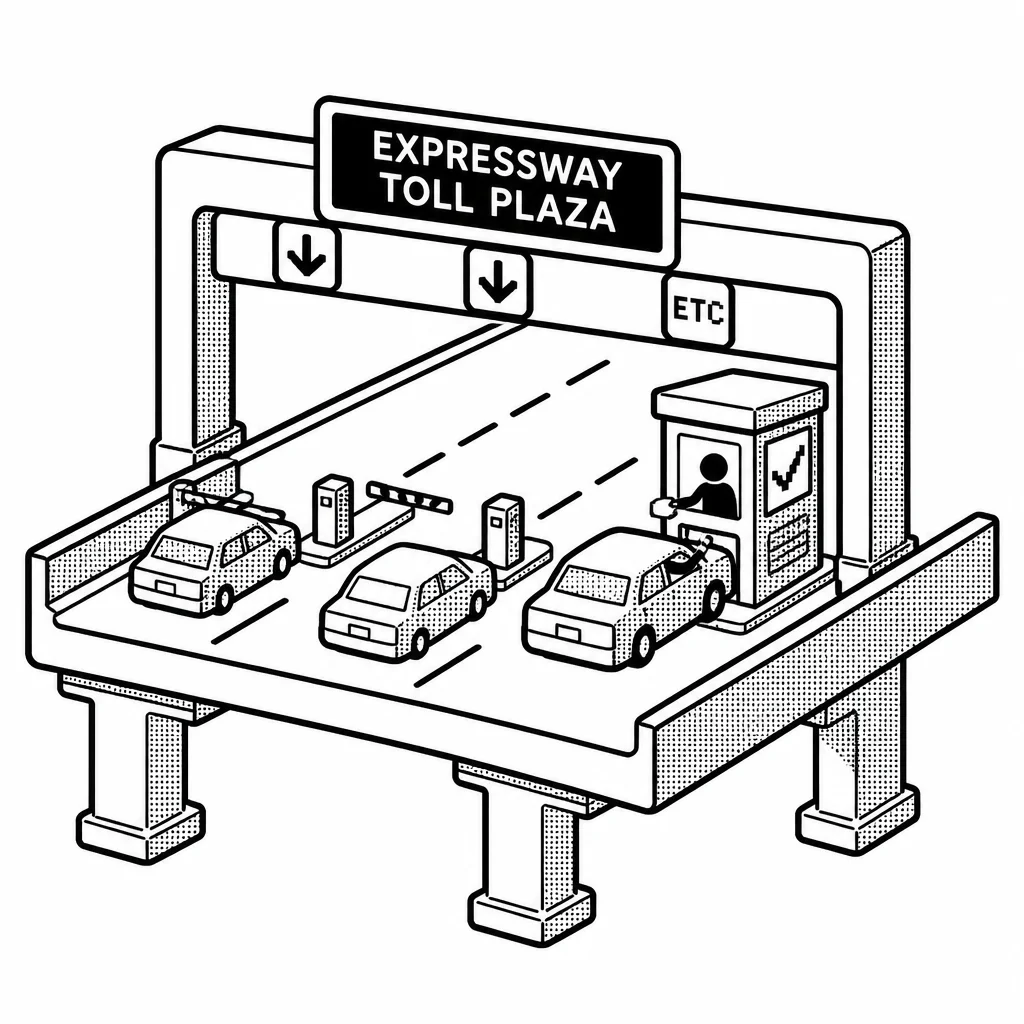
The setup works like a rent collector for infrastructure. The fund paid the government upfront for the future toll income, and now the money from drivers flows in every day. After covering its costs and the fund manager's fees, it distributes the rest to unitholders, usually as regular cash payouts. Because toll roads are a boring, steady business tied to traffic rather than fashion or fads, the fund appeals to people who want income rather than fast growth. Its fortunes ride on how many cars and trucks use those expressways, and on toll rates the government controls. That cuts both ways. Steady traffic means steady payouts, but the fund can't simply raise prices when it wants, and a slowdown in driving, roadworks, or policy changes on tolls can squeeze the cash it hands out. The fund also has a finite life tied to how long its toll rights last, so investors are effectively buying a stream of toll money that runs for a set number of years.
For a Thai investor, the appeal is simple: a way to earn a share of the country's infrastructure without buying a construction company or a concessionaire. It is closer to owning a bond-like income stream with traffic risk attached than to owning a growing business. That makes it a popular parking spot for savings, though not a thrill ride.
Saved answer · last researched 12 Nov 2026