Understand any stock in simple English
Enter a ticker to learn what the company does and how it makes money.
Terex Corporation
Terex builds heavy machines — like aerial work platforms, cranes, and rock crushers — that other companies use to lift things, move materials, and process rock and waste.
Terex is a maker of heavy equipment. It builds the machines that other businesses use to do hard physical work: aerial work platforms that lift workers up to fix power lines and buildings, cranes that hoist steel and concrete, and materials-processing gear like rock crushers and screens that turn big rocks into usable stone and sort waste for recycling. Its customers are spread across construction, mining, recycling, and utilities around the world.
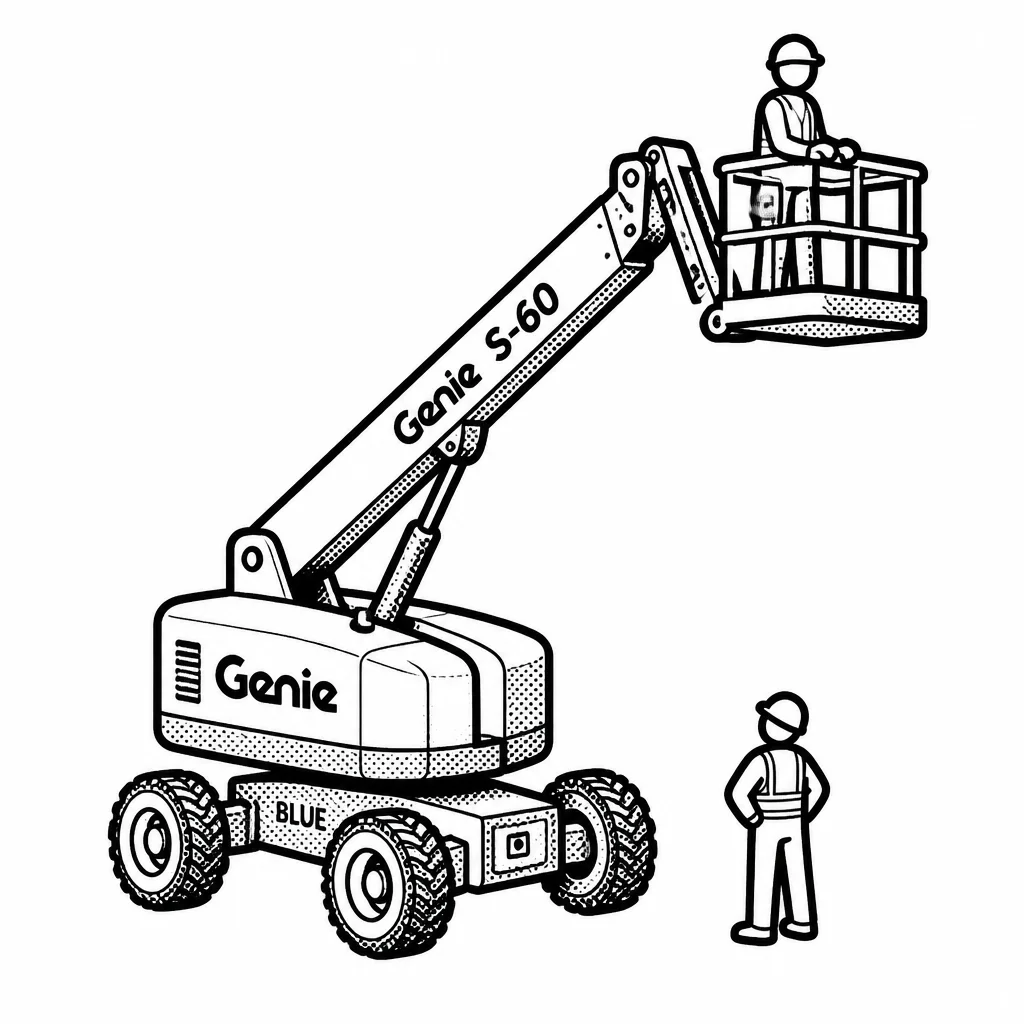
The company is really a collection of equipment brands sold under one roof. Buyers typically pick a Terex machine because it is built for a specific tough job and because the brand has a service network behind it. Machines like these are big-ticket purchases, and customers care about reliability and uptime as much as price — a broken lift or crusher on a job site costs real money by the hour. Terex has reshaped itself over the years, selling off businesses to focus on the equipment where it can compete hardest. It sold its crane business to Konecranes in a deal that closed in 2017, and later moved to sharpen its focus further. The materials-processing side, which serves quarrying and recycling, tends to be steadier because those customers keep needing crushed stone and sorted waste regardless of the broader construction cycle. The aerial work platform side rides more directly on construction and maintenance spending, which makes it more cyclical.
The business is capital-intensive and cyclical: when construction and mining are strong, orders roll in; when they slow, customers delay replacing machines and the order book shrinks. Terex competes against much larger rivals like Caterpillar and Oshkosh in various niches, so its edge comes from specializing in particular equipment categories rather than trying to be everything to everyone. Its size means it lives and dies on execution — getting machines out on time, keeping dealers happy, and managing costs through the down cycles.
Saved answer · last researched 15 Nov 2026