Understand any stock in simple English
Tejas Networks Limited
Tejas Networks makes telecom and networking equipment — the gear that carries phone calls and internet traffic — for phone companies, internet providers, and governments.
Tejas Networks is an Indian equipment maker that builds the plumbing of telephone and internet networks. When you make a call or load a web page, your data travels through machines that route, switch, and transmit it — and Tejas designs and manufactures those machines for telecom operators, internet service providers, utilities, defense agencies, and government projects.
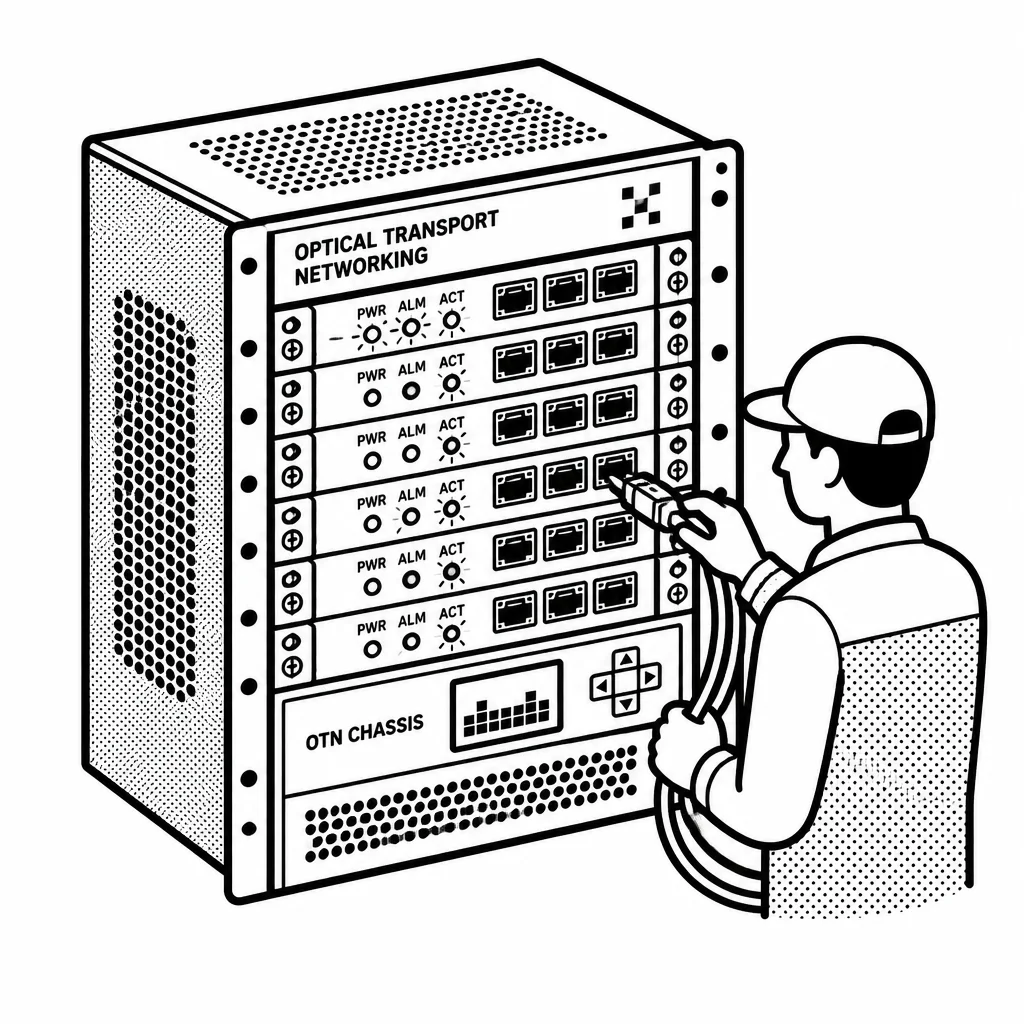
Its main products are optical networking gear (the equipment that pushes huge amounts of data through fiber-optic cables), broadband access systems that connect homes and businesses to the internet, and wireless products including 4G and 5G radio equipment. Customers buy from Tejas because it offers telecom-grade gear at competitive prices and will customize it — and because, especially in India, buying local matters. The Indian government has pushed hard to reduce reliance on foreign vendors like Nokia and Ericsson, and Tejas has won large government-funded network contracts, including a big 4G rollout run by state-owned Bharat Sanchar Nigam Limited. The company invests heavily in research and development and owns a large portfolio of patents, which matters in a field where the technology is complex and the buyers are demanding. It also owns Saankhya Labs, a chip-design subsidiary working on 5G and satellite communication technology. Customers include major Indian telecom operators such as Bharti Airtel and Reliance Jio, plus utilities and defense customers, and the company has been expanding internationally.
Tejas became part of the Tata group in 2021, when Tata Motors-affiliated Tata Sons bought a controlling stake — a turning point that gave it deep-pocketed backing and access to the group's global reach. The business is lumpy: revenue swings with big government and carrier orders, and the company has sometimes posted losses when large projects slow down. But it sits in a growing spot — countries and carriers want more network gear, more 5G, and more domestic suppliers — and being an Indian maker of telecom equipment with Tata behind it is a strong place to stand.
Saved answer · last researched 17 Nov 2026