Understand any stock in simple English
Enter a ticker to learn what the company does and how it makes money.
Bio-Techne Corporation
Bio-Techne makes the proteins, chemicals, and lab instruments that scientists and doctors use to study biology and develop new medicines and diagnostic tests.
Bio-Techne is a supplier to the people who do medical research. It sells the basic building blocks of lab work: purified proteins, antibodies, and chemical reagents that scientists use to run experiments, plus the instruments and software that go with them. Its customers are drug companies, biotech startups, university labs, and hospitals, and they buy from Bio-Techne because the reagents are consistent and well documented, which matters enormously when an experiment needs to be repeated and trusted.
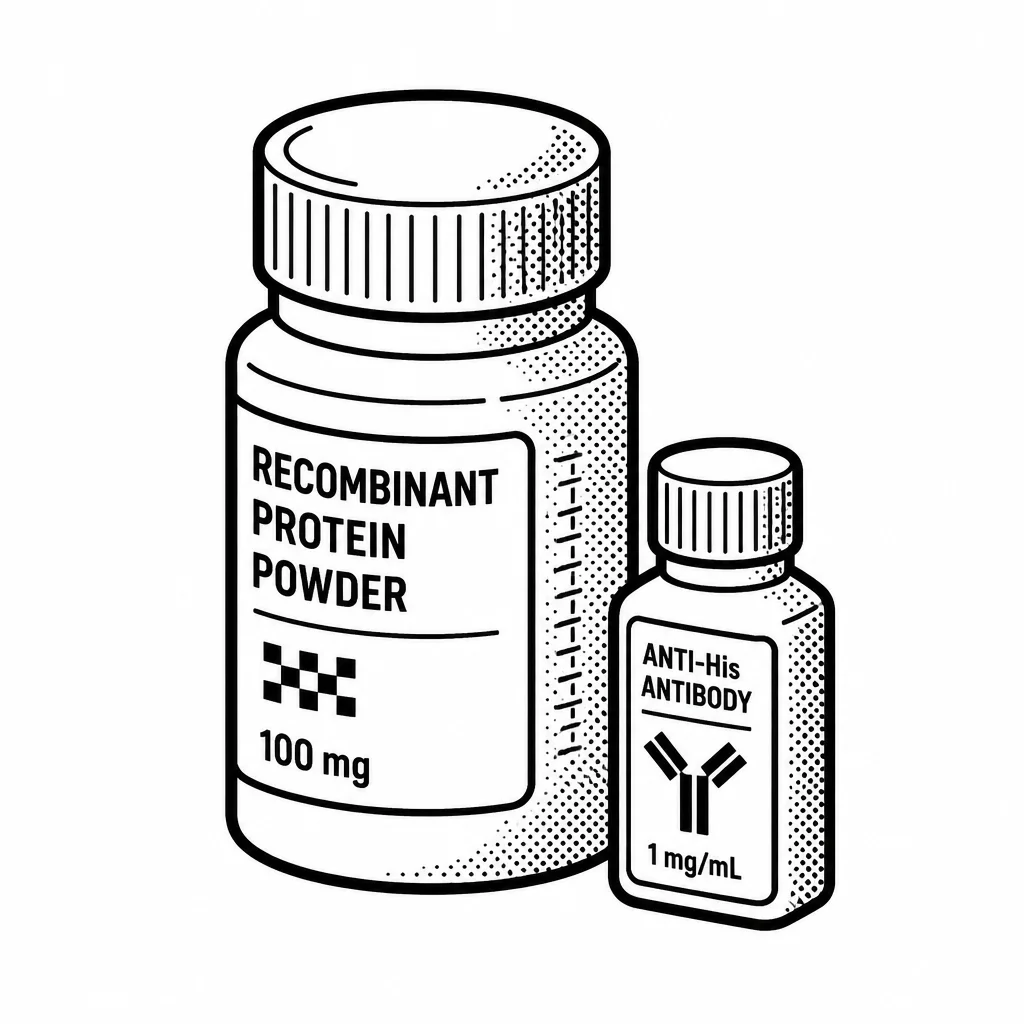
The business has two big halves. One is proteins and reagents, the everyday consumables a lab burns through, which bring in steady repeat revenue. The other is instruments and diagnostics, including machines like the Ella and Simple Western systems that automate tests scientists used to do by hand, plus clinical diagnostic products used in hospitals. That mix matters: consumables are the reliable bread and butter, while instruments are a bigger upfront sale that can pull through years of consumable purchases afterward. Bio-Techne's edge comes from being deeply embedded in research workflows and from a long habit of buying small specialist companies to widen its catalog. Its main rivalry is with other life-science toolmakers such as Thermo Fisher Scientific and Merck KGaA, which are far larger and sell broader suites of products. That size gap is a real vulnerability, but Bio-Techne's niche focus and reputation for quality have kept it profitable and cash-generative. It uses that cash to fund acquisitions, pay a small dividend, and buy back shares.
The honest knock on the company is that it is exposed to the mood of biotech funding. When money for research dries up, as it did in a recent downturn, labs buy less and orders slow. Bio-Techne rode the pandemic research boom and then had to work through a softer stretch, which is the core risk: it is a high-quality business whose fortunes rise and fall with how much the world is spending on science.
Saved answer · last researched 12 Nov 2026