Understand any stock in simple English
Enter a ticker to learn what the company does and how it makes money.
TP ICAP Group PLC
TP ICAP is a middleman that connects buyers and sellers in financial, energy and commodities markets and takes a cut of the trades.
TP ICAP is a middleman for the world's big money. When a bank wants to sell a chunk of bonds, a hedge fund wants to bet on interest rates, or an airline wants to lock in the price of jet fuel, they often don't trade directly with each other. They call a broker like TP ICAP, which finds the other side of the trade and takes a small fee for making it happen. The company runs this plumbing across financial markets — things like bonds, interest rates, currencies and shares — and also across energy and commodities, where it brokers oil, gas, power and even ship freight.
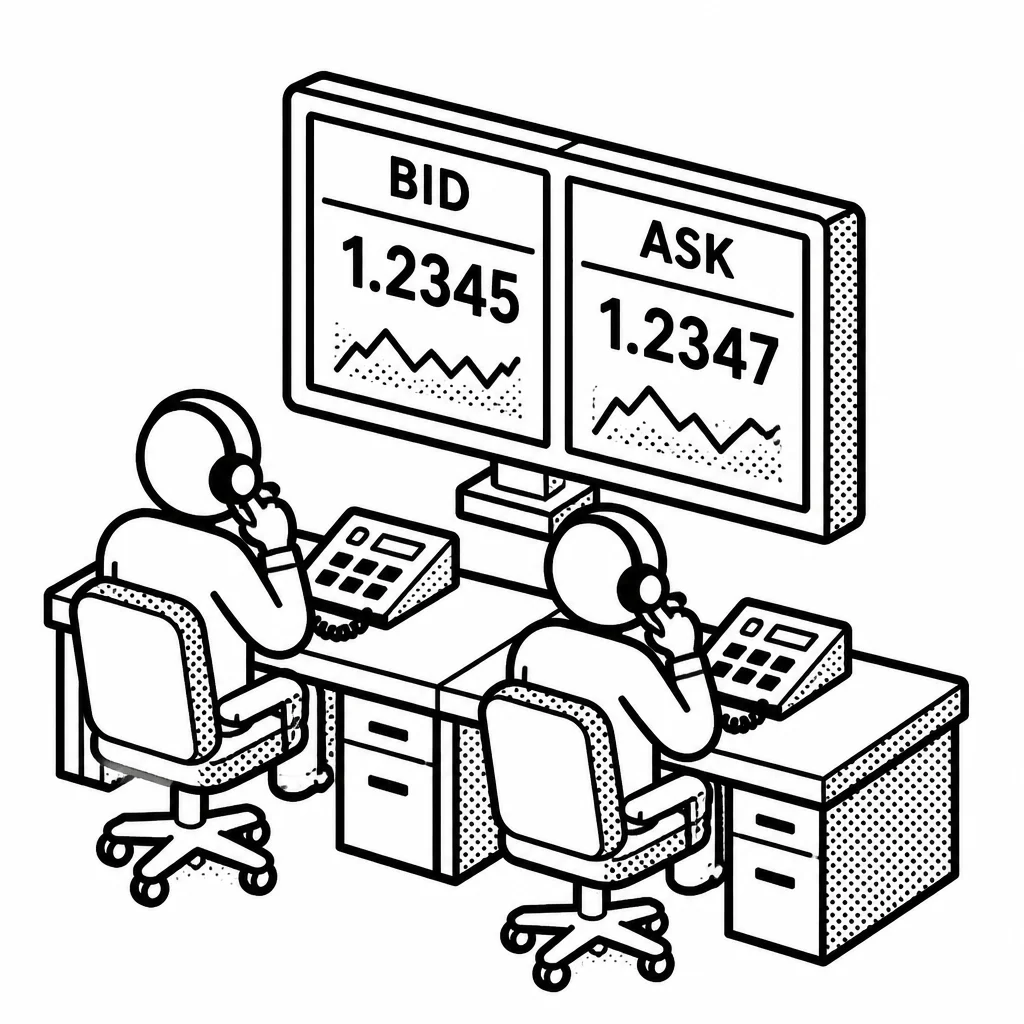
The business earns money from commissions and spreads on the trades it handles, plus fees for related services. It splits into a few main parts: a global broking arm that matches buyers and sellers over the phone and electronically, an energy and commodities arm, and a data and analytics unit that sells market prices and information. Customers are institutions — banks, asset managers, insurers, energy firms — who choose TP ICAP because it can reach a huge network of counterparties and get large or awkward trades done smoothly. Its scale matters: being the biggest broker means more people to trade with, which attracts even more people. The industry has been shifting fast from shouting on the phone to clicking on screens. That's a double-edged sword for TP ICAP. Electronic trading is cheaper to run and lets the company handle more volume, but it also squeezes the fat fees that voice broking once commanded, and it invites tech-savvy newcomers to compete. Regulators, meanwhile, have pushed more trading onto transparent electronic venues, which trims the traditional broker's edge. TP ICAP has responded by investing heavily in its electronic platforms and in its data business, which grows steadily and is less tied to the ups and downs of trading volumes.
The company is headquartered in London and listed on the London Stock Exchange. Its fortunes ride on how busy markets are — when volatility spikes, trading surges and brokers thrive; when markets are calm, volumes dry up and so do fees. It also leans on a few big acquisitions over the years to build its scale. Like most mature financial firms, it uses its cash to pay dividends and buy back shares, though its history here has been uneven and its shares have lagged at times as investors worry about the long-term pressure on the broking model. The simple story: as long as markets need a trusted go-between to connect big buyers and sellers, TP ICAP has a seat at the table.
Saved answer · last researched 15 Nov 2026