Understand any stock in simple English
Enter a ticker to learn what the company does and how it makes money.
Transmissora Aliança de Energia Elétrica S.A.
Taesa builds and operates the high-voltage transmission lines that carry electricity across Brazil, earning a regulated fee for moving power from where it is generated to where people and businesses need it.
Taesa is one of Brazil's biggest electricity transmission companies, and its business is easy to picture: it owns the tall towers and long cables that carry power across huge distances, from hydro dams and wind farms in remote areas to the cities and factories that use it. It doesn't sell electricity or set the price. Instead, it earns a fee for letting power flow through its lines, like a toll road for electrons.
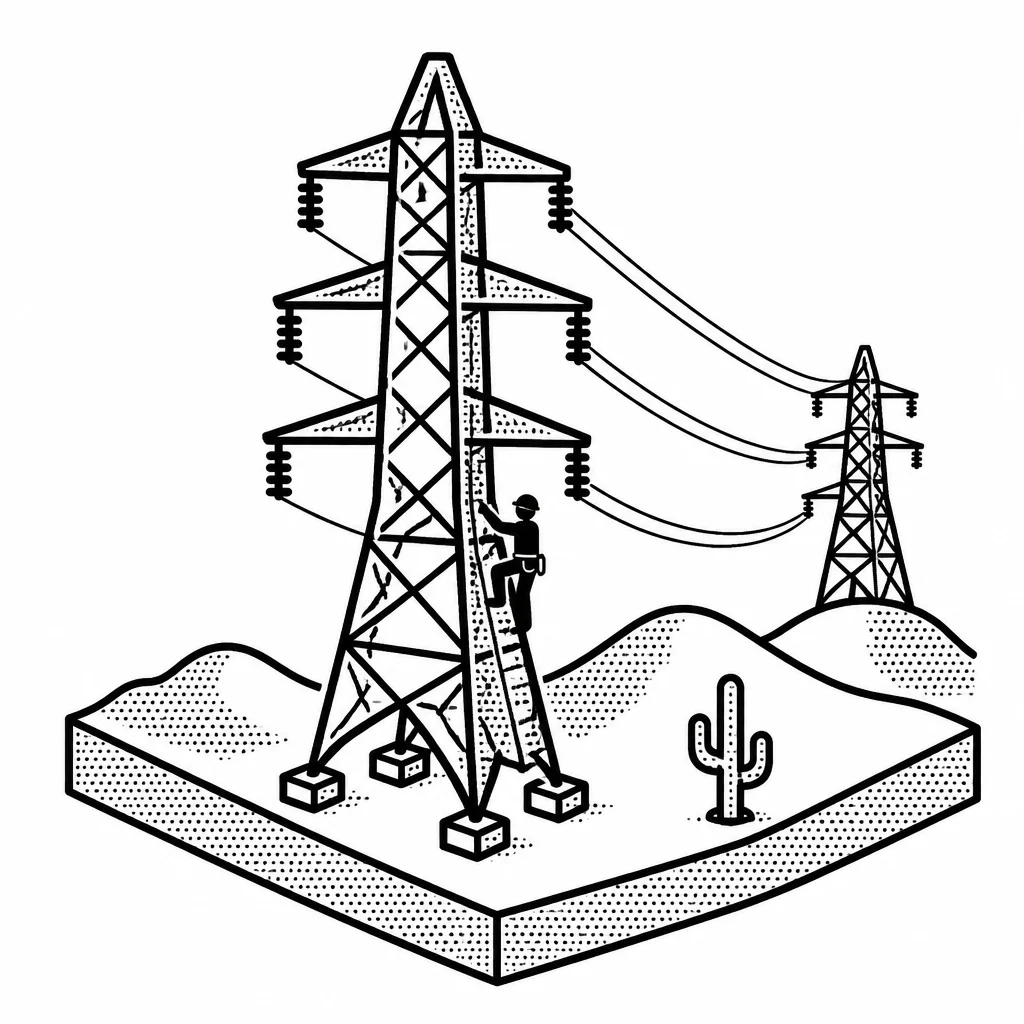
That fee model is the heart of the business. When Taesa wins a government auction for a new line, it signs a long contract, often around 30 years, that pays it a regulated annual amount. Building the line costs a lot upfront, but after that the money arrives fairly predictably, adjusted for inflation. That is why investors treat Taesa less like a growth company and more like a steady utility: reliable cash, paid out mostly as dividends, rather than dramatic swings. The company is a collection of transmission concessions, some it won at auction and others it acquired. A big one came through its former identity as Terna Participações, and its controlling shareholders have long included Eletrobras and the Colombian group ISA. Its main competition is other transmission operators bidding in the same government auctions, such as State Grid-backed players (State Grid is Chinese and not separately listed under that ticker, so treat this as the operator's parent rather than a clean stock comparison). Auctions are where growth happens, and losing them is the main way the pipeline stalls.
The risks are real. Revenue is regulated, so returns depend on what the regulator allows and on Brazil's inflation index, which feeds its contract adjustments. Building new lines brings construction risk and heavy upfront spending, and a big share of the profits flows out the door as dividends rather than being reinvested. That makes Taesa a favorite of income-seeking Brazilian investors, which is why it trades as a units vehicle: a bundle of shares that makes the steady payout easier to collect.
Saved answer · last researched 12 Nov 2026