Understand any stock in simple English
Enter a ticker to learn what the company does and how it makes money.
Suntec Real Estate Investment Trust
Suntec REIT owns and rents out office buildings, shopping malls, and a large convention centre in Singapore and Australia, collecting rent from the businesses that occupy them.
Suntec REIT is a landlord. It owns a collection of large commercial buildings — offices, shopping malls, and a big convention centre — mostly in Singapore, with some in Australia, and it makes money by collecting rent from the businesses that occupy those spaces. That's the whole business in one sentence: it buys and owns buildings, fills them with tenants, and turns rent into cash for its investors.
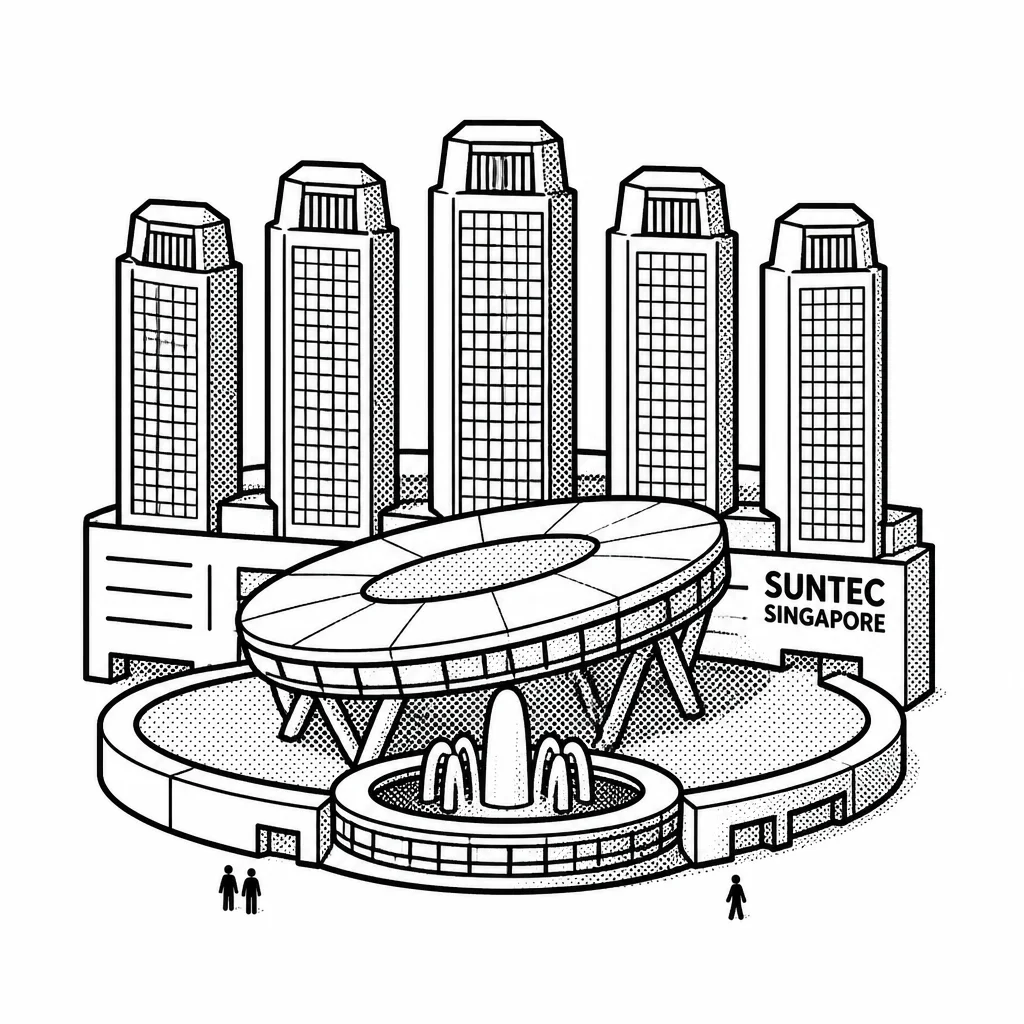
Its most famous property is Suntec City, a huge mixed-use complex in Singapore anchored by the Suntec Singapore Convention & Exhibition Centre, where companies hold conferences and trade shows. Around that sit office towers and a shopping mall, so the REIT earns several kinds of rent from one location: offices lease floors, retailers lease shops, and event organisers pay for the convention space. The rest of the portfolio is similar in spirit — a spread of office and retail buildings in Singapore's business districts, plus office assets in Australian cities like Sydney and Melbourne. Owning in two countries gives it some protection, since the Singapore and Australian property markets don't always move together. Why do tenants choose these buildings? Location, mostly. Suntec City sits in Singapore's central business district with a dedicated train station and a steady stream of foot traffic from the convention centre, which is exactly what shops and offices want. A convention centre is a clever piece of the pie: it draws large crowds, those people eat and shop at the mall, and that makes the retail space more valuable. It's a bit like a shopping mall that comes with its own built-in customer generator. The key trade-offs are worth being blunt about. Office and retail landlords are only as healthy as their tenants, so when companies shrink their office footprint — as many did after the pandemic pushed more work from home — demand for office space weakens, and rents and building values can fall. On top of that, like most REITs, Suntec borrows money to own these buildings and pays out most of its rental profit to investors as dividends. That combination — debt plus generous payouts — means rising interest rates pinch it twice: borrowing costs go up, and the buildings it owns are worth less when valued against higher rates.
So what you're really buying with Suntec REIT is a share of a rent-collecting machine. Regular dividends are the main reward, and the buildings themselves are the safety net. It is not a fast-growth business; it is a slow, cash-generating one that does well when tenants fill space and borrowing is cheap, and it struggles when offices sit empty or interest rates climb.
Saved answer · last researched 12 Nov 2026