Understand any stock in simple English
Enter a ticker to learn what the company does and how it makes money.
TELUS Corporation
TELUS sells phone, internet, and TV service to Canadians and businesses, and also runs a growing health-tech and software arm.
TELUS is one of Canada's big three telecom companies, selling the everyday connections people rely on: mobile phone plans, home internet, and television service. It serves both ordinary households and businesses, and it also owns a smaller but fast-growing side that sells health-care software and digital services. So it is really two businesses under one roof — a steady pipe-and-signal utility, and a bet on technology beyond telecom.
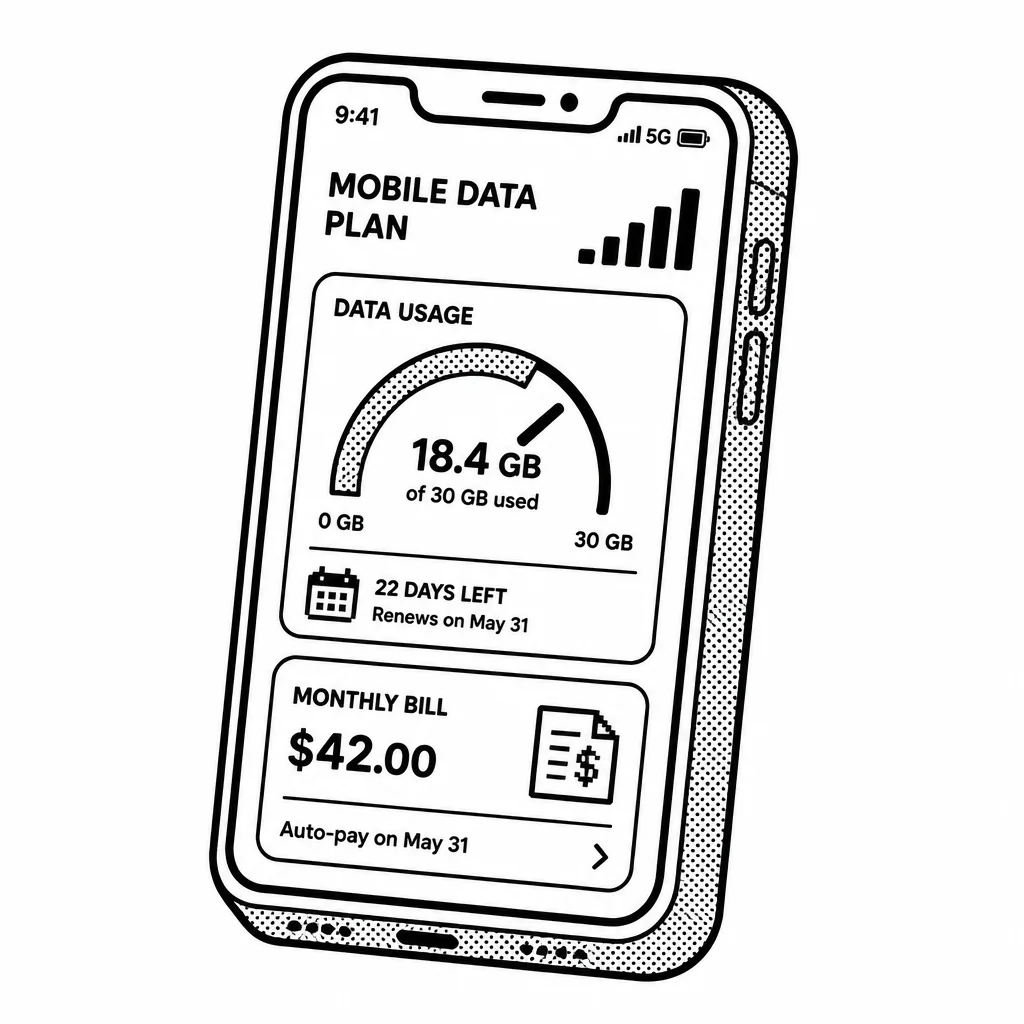
The core business is simple and sticky. Canadians sign up for a phone plan or home internet, and pay a monthly bill. Customers rarely switch once they are set up, because switching means new equipment, new contracts, and hassle. That loyalty lets the big carriers keep prices fairly high and spend heavily on network upgrades. TELUS pours money into building out fibre-optic lines to homes and upgrading its wireless network, which is expensive but keeps customers happy and fends off rivals like Rogers Communications and BCE. The health and software arm, called TELUS Health and TELUS Agriculture, sells digital tools — electronic medical records for clinics, virtual care platforms, and farm-management software. This part is smaller and less profitable today, but it grows faster than the phone business and does not face the same regulatory limits. It is management's attempt to build a second engine that is not just about selling data plans.
TELUS generates a lot of cash and returns much of it to shareholders through a dividend, which it has raised for many years running. The catch is debt: building networks and buying tech companies takes money, and the company carries a heavy load of borrowings. That is the trade-off investors watch — reliable monthly bills and a rising dividend, against the risk that expensive network spending and acquisitions leave little room for error.
Saved answer · last researched 12 Nov 2026