Understand any stock in simple English
Enter a ticker to learn what the company does and how it makes money.
Systemair AB (publ)
Systemair makes and sells ventilation, heating, and cooling products that keep buildings supplied with fresh, healthy air.
Systemair is a Swedish manufacturer of ventilation equipment — the fans, air handlers, and duct systems that move fresh air through buildings and push stale air out. Its products mostly hide in ceilings, basements, and rooftops, but they matter: offices, schools, hospitals, supermarkets, and factories all need controlled airflow to stay healthy and comfortable. The company also sells heating and cooling products, so it can outfit a building's indoor climate rather than just one piece of it.
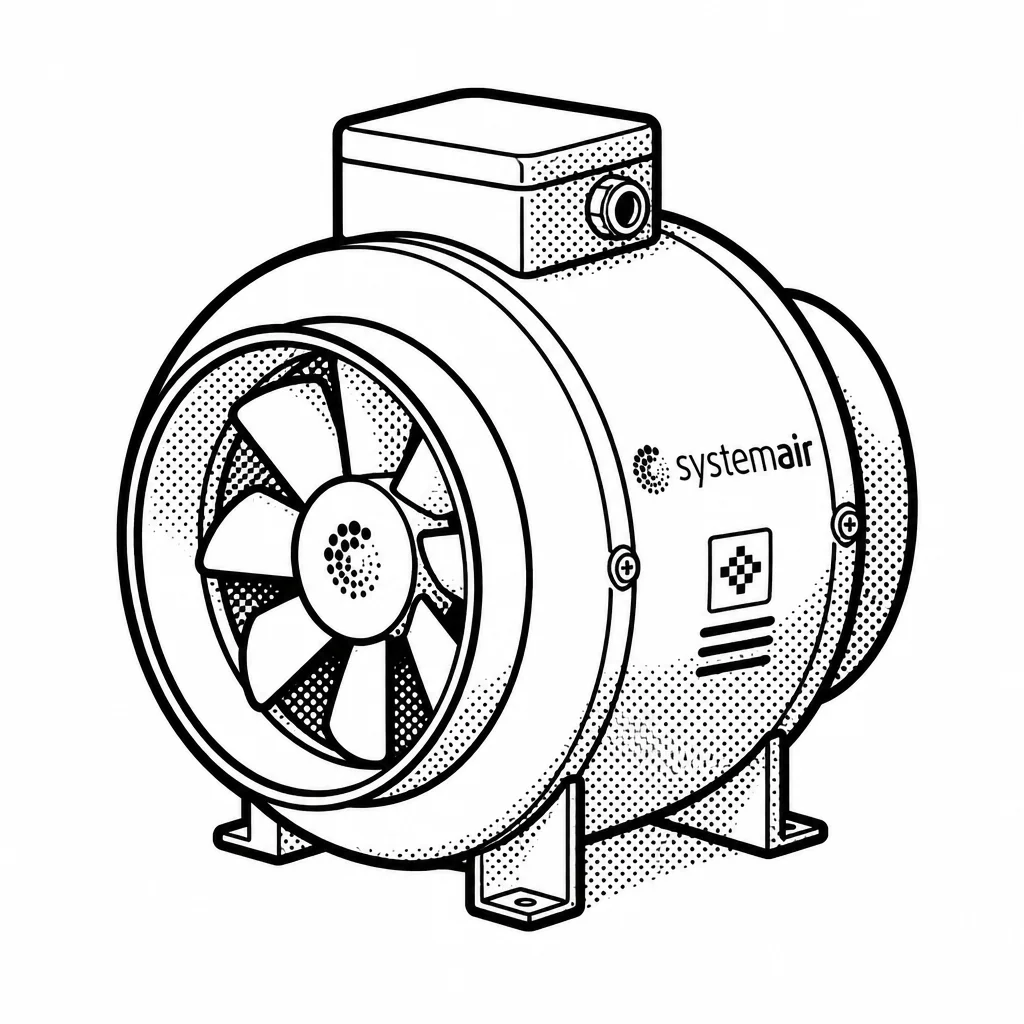
Customers are the contractors, installers, and wholesalers who actually build and service HVAC systems, plus the engineers who specify what goes into a project. Systemair's pitch is breadth: a huge catalog of standard products, kept in stock and shipped quickly, so an installer can get what they need without waiting. That catalog strategy, built up over decades of buying smaller ventilation brands across Europe and beyond, is the core of the business. Owning many local brands lets it sell under names that regional customers already trust. The company is headquartered in Skinnskatteberg, a small town in Sweden, and its shares trade on Nasdaq Stockholm. It runs factories and sales companies across Europe, North America, and other markets, which means currency swings and construction cycles move its results. When building activity slows, demand for ventilation equipment slows with it — a real vulnerability, since new construction is a big driver. Energy-efficiency rules are a tailwind, though: tighter buildings need mechanical ventilation, and heat-recovery systems that reuse warmth from outgoing air sell well when energy prices are high.
Systemair also owns a smaller refrigeration business, making cooling units for commercial refrigeration, which broadens its reach into the same buildings it already serves. It pays a dividend and has generally funded growth from its own cash flow rather than heavy borrowing. The simple version: it sells the lungs of buildings, one fan and air handler at a time, and earns money on the volume of a very wide catalog sold through many local brand names.
Saved answer · last researched 12 Nov 2026