Understand any stock in simple English
Enter a ticker to learn what the company does and how it makes money.
Southwest Gas Holdings, Inc.
Southwest Gas sells and distributes natural gas to homes and businesses in Arizona, Nevada, and California.
Southwest Gas is a utility that keeps the heat on. It buys natural gas wholesale, moves it through thousands of miles of underground pipe, and sells it to homes, restaurants, factories, and other buildings across Arizona, Nevada, and parts of California. Most customers never think about the company until the bill arrives, but the blue flame on the stove and the warmth on a cold morning usually trace back to it.
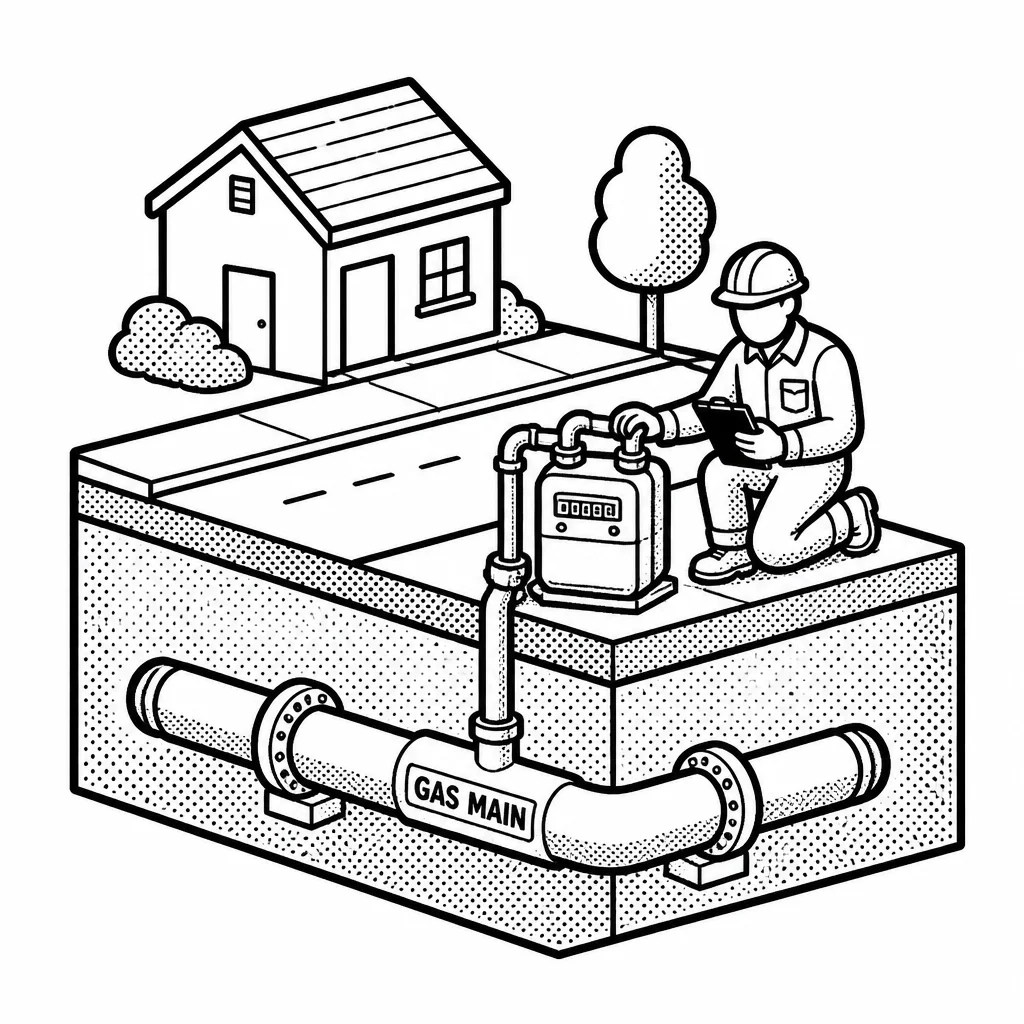
The business works like a toll road for fuel. Southwest Gas doesn't drill for gas or gamble much on where prices go; it mostly earns a regulated return on the pipes, meters, and other equipment it builds and maintains. A state regulator sets the rules and approves the rates, which gives the company a steady, predictable stream of cash but also caps how exciting the profits can get. Customers stay because there is simply no competing pipe running to their house — the local gas network is a natural monopoly. The company is more than just its regulated gas utility. It also owns a large pipeline and storage business, MountainWest, which moves gas across the western United States for other companies. That segment earns money from long-term contracts rather than from households, and it has been a meaningful chunk of the company's value. In recent years Southwest Gas has made headlines for a different reason: a long, messy fight with activist investors over its strategy, including a failed attempt to buy the gas utility Questar and a push to split the company into separate pieces. The company ended up selling MountainWest instead of spinning it off, a decision that reshaped what Southwest Gas owns and how it grows.
For investors, this is a slow-and-steady, dividend-paying kind of company. It spends heavily on maintaining and expanding its pipes, borrows money to fund that construction, and pays out a regular dividend from the cash left over. Growth comes from adding new customers in fast-growing Sun Belt cities like Las Vegas and Phoenix, and from persuading regulators to let it earn a bit more on its investments. The risks are just as simple: warm winters mean less gas burned, rising interest rates make its debt more expensive, and regulators can always decide the company is earning too much.
Saved answer · last researched 16 Nov 2026