Understand any stock in simple English
Silvaco Group, Inc.
Silvaco sells specialized software and chip designs that help engineers design and test semiconductors and photonic devices before they are manufactured.
Silvaco is a software company for chip designers. It sells tools that let engineers simulate how a semiconductor or photonic device will behave before anyone spends millions building a real factory run. Think of it as a flight simulator for chip design: crash the plane on a computer as many times as you like, then build the real thing once.
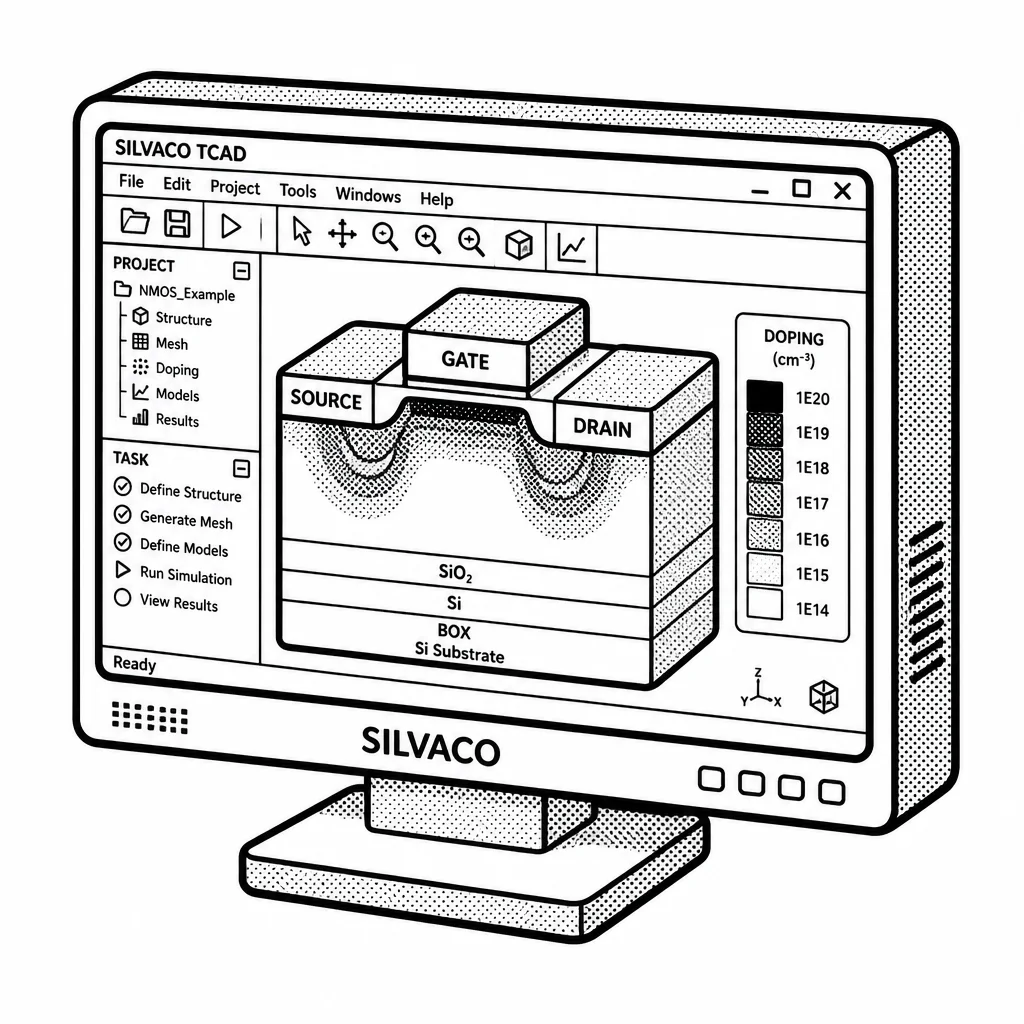
The company's core product is TCAD, short for technology computer-aided design. This software models the physics of a chip — how electrons move, how heat spreads, where things break — so engineers can test a design virtually. Silvaco also sells more traditional EDA (electronic design automation) tools, which help lay out circuits and check that they work, plus a library of semiconductor IP: pre-built circuit blocks that customers license and drop into their own chips instead of designing from scratch. Customers are chipmakers, foundries, and photonics companies — the firms building optical components and sensors. They pay Silvaco through software licenses, often multi-year subscriptions, plus fees for the IP blocks. The pitch is simple: cheaper and faster than trial-and-error in a real fab. Competitors include much larger players like Synopsys and Cadence Design Systems, so Silvaco competes by specializing in physics-heavy simulation and by serving smaller and niche chipmakers that the giants don't court as hard.
Silvaco is small and not yet consistently profitable, which makes it a bet on whether demand for specialized design software keeps growing as chips get more complex and photonics moves from lab to product. The company went public on Nasdaq in 2024. Its fortunes hinge on winning and keeping licensing deals with chip and photonics companies, and on whether it can grow faster than the giants that dominate its space.
Saved answer · last researched 17 Nov 2026