Understand any stock in simple English
Enter a ticker to learn what the company does and how it makes money.
Surface Oncology, Inc.
Surface Oncology is a clinical-stage immuno-oncology company that was developing cancer therapies targeting the tumor microenvironment before being acquired and taken private.
Surface Oncology was a clinical-stage immuno-oncology company — a biotech that designed experimental cancer drugs rather than selling any approved medicines. Its focus was the tumor microenvironment: the messy neighborhood of cells, blood vessels, and signals that surround a tumor and often help it hide from the immune system. Surface Oncology built therapies meant to break that protection so the body's own immune cells could attack the cancer.
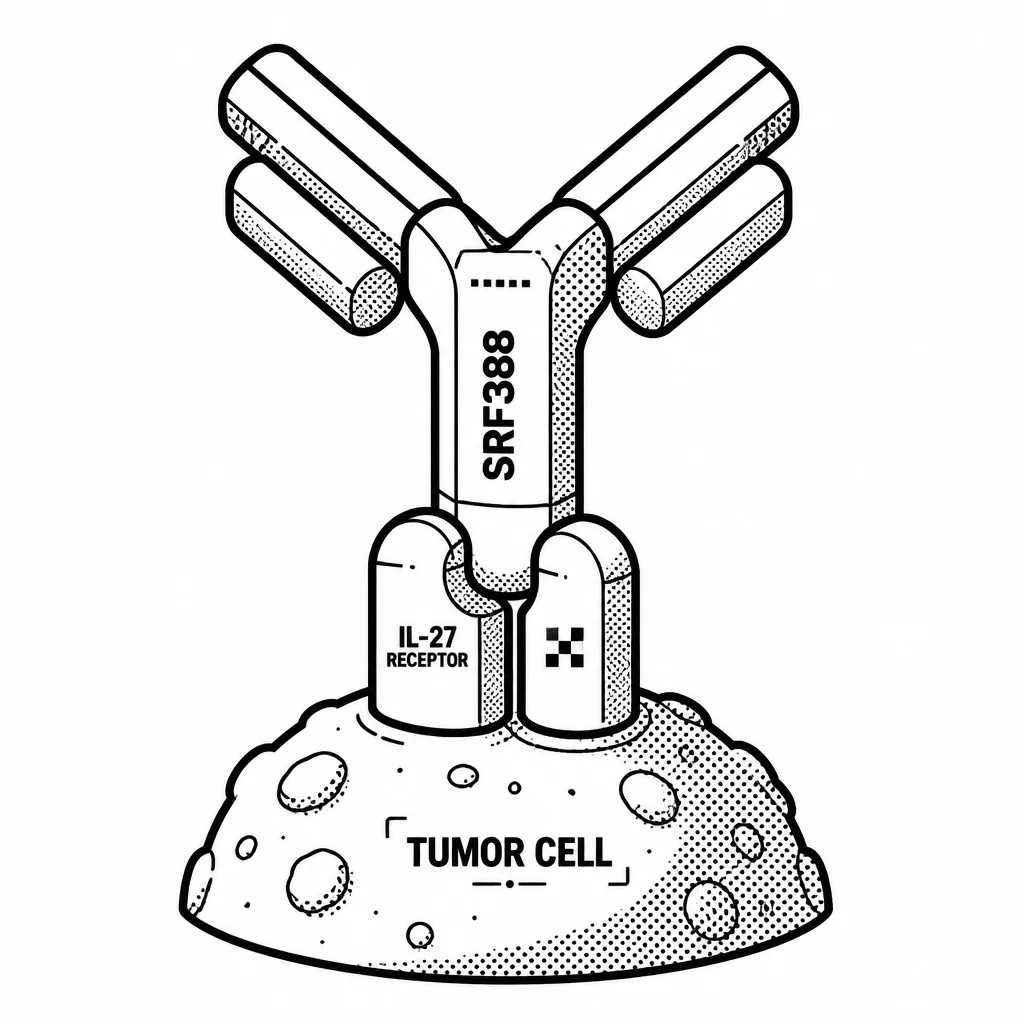
Its lead programs included antibodies aimed at targets like CD39 and IL-27, both involved in how tumors suppress immune responses. These were early-stage assets, meaning they were still being tested in humans for safety and early signs of activity, not yet proven to help patients live longer. Like most clinical-stage biotechs, the company had no product revenue and funded its research through a mix of cash from investors and partnerships. The business model was classic biotech risk-taking: spend years and millions of dollars on science, then hope a drug works well enough to attract a bigger partner or acquirer. Surface Oncology had collaboration deals with larger drugmakers, but the real prize was always a successful clinical trial. That model is brutal — most experimental cancer drugs fail — and the company's stock reflected that uncertainty.
Its run as a public company ended when it was acquired. A larger pharmaceutical player bought Surface Oncology and took it private, which is why its shares stopped trading. Today it exists as part of that larger organization rather than as an independent, publicly listed company, and its story is a reminder that in biotech, the ending is often an acquisition rather than a standalone success.
Saved answer · last researched 14 Nov 2026