Understand any stock in simple English
Enter a ticker to learn what the company does and how it makes money.
Suncor Energy Inc.
Suncor is a Canadian energy company that produces and sells oil and petroleum products around the world.
Suncor is a Canadian energy company that produces and sells oil. It is one of the biggest names in the oil sands — a type of oil that is soaked into sand in Alberta. Suncor was actually the first company to turn that sand into oil at a commercial scale, starting back in 1967. Today it also runs refineries that turn crude oil into gasoline, diesel and other fuels, and it owns Petro-Canada, a chain of gas stations across the country. So it is involved from the ground all the way to the pump.
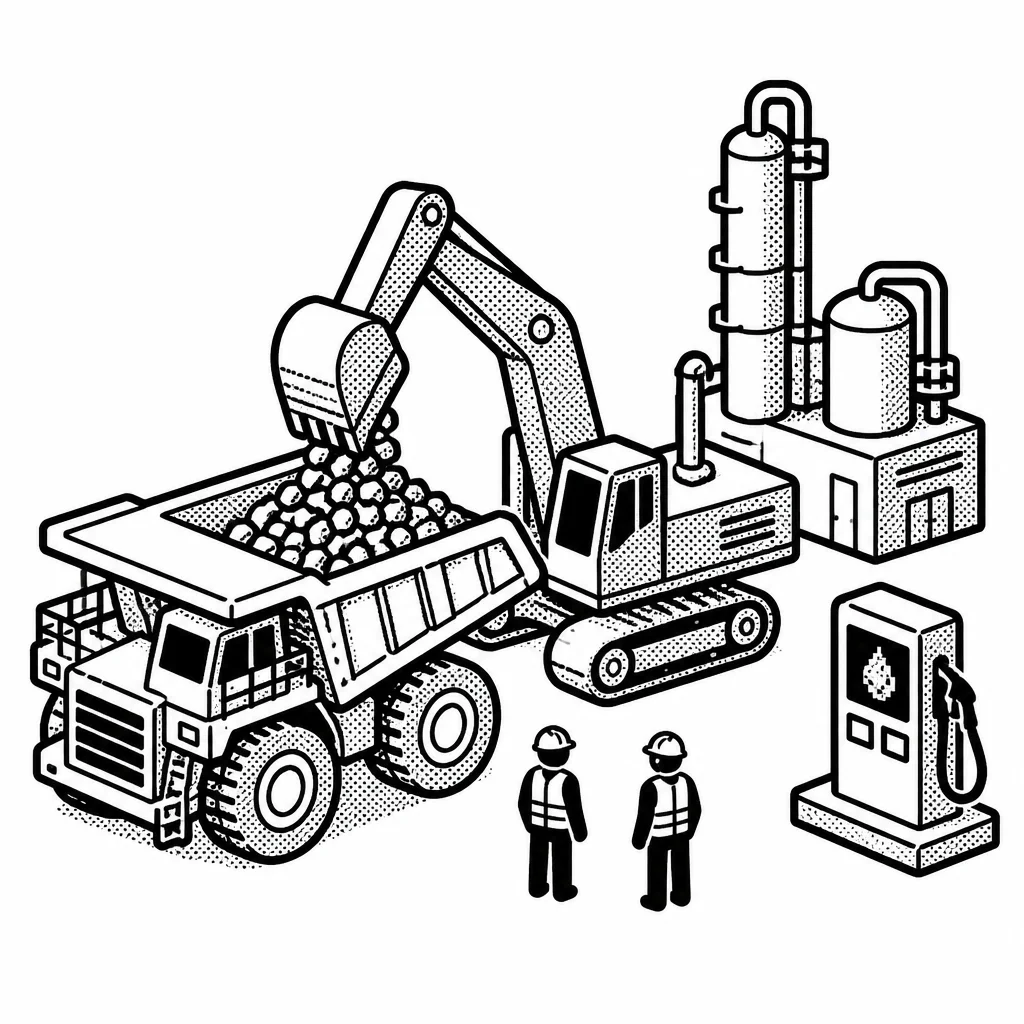
Oil sands are exactly what they sound like: sand mixed with a thick, sticky form of oil. Getting that oil out is harder than drilling a normal well, because the sand has to be dug up or steamed apart, and then the oil is cleaned and upgraded into something refineries can use. This costs more money and uses more energy than conventional oil, which is why oil sands projects get criticized by environmental groups. Suncor has set targets to cut its emissions and is investing in cleaner power, but most of its money still comes from fossil fuels. The company sells its crude oil to buyers in Canada, the United States and overseas markets, and that oil gets turned into everything from jet fuel to plastics. Suncor makes money in two main ways. One is pulling oil out of the ground and selling it. The other is refining that oil and selling the finished fuels through its Petro-Canada stations and to other buyers. The refining and retail side is especially useful when crude prices are low, because cheaper raw oil means fatter profits on the finished fuel. That balance is a big part of why Suncor calls itself "integrated." Its profits swing a lot with oil prices, though, so some years are great and some are rough. It competes with other big oil producers like Cenovus Energy, Imperial Oil, Canadian Natural Resources, and the global giants such as Exxon Mobil and Shell.
Suncor returns a lot of money to shareholders. It has paid dividends for decades, and in recent years it has bought back a big chunk of its own shares — at times more than 10 percent of the company in a single year — which makes each remaining share worth more. It has also been selling off some smaller assets to focus on its core oil business. One recent challenge: a wave of wild fires near its Alberta operations has disrupted production and forced evacuations, a reminder that this is a business tied tightly to the land, the weather, and the price of a barrel of oil.
Saved answer · last researched 12 Nov 2026