Understand any stock in simple English
Enter a ticker to learn what the company does and how it makes money.
Stereotaxis, Inc.
Stereotaxis makes robotic systems that let heart doctors steer catheters with magnets instead of their hands.
Stereotaxis builds robotic systems for hospital labs where doctors treat heart rhythm problems. Its main product lets a doctor sit at a computer console and steer a catheter through a patient's blood vessels using magnetic fields, rather than pushing and twisting the catheter by hand next to the patient. The company also sells the disposable catheters and instruments that go with the system, plus software that helps labs run and share information. Hospitals pay for the robot up front or through subscription-style arrangements, and then keep buying the single-use instruments for each procedure.
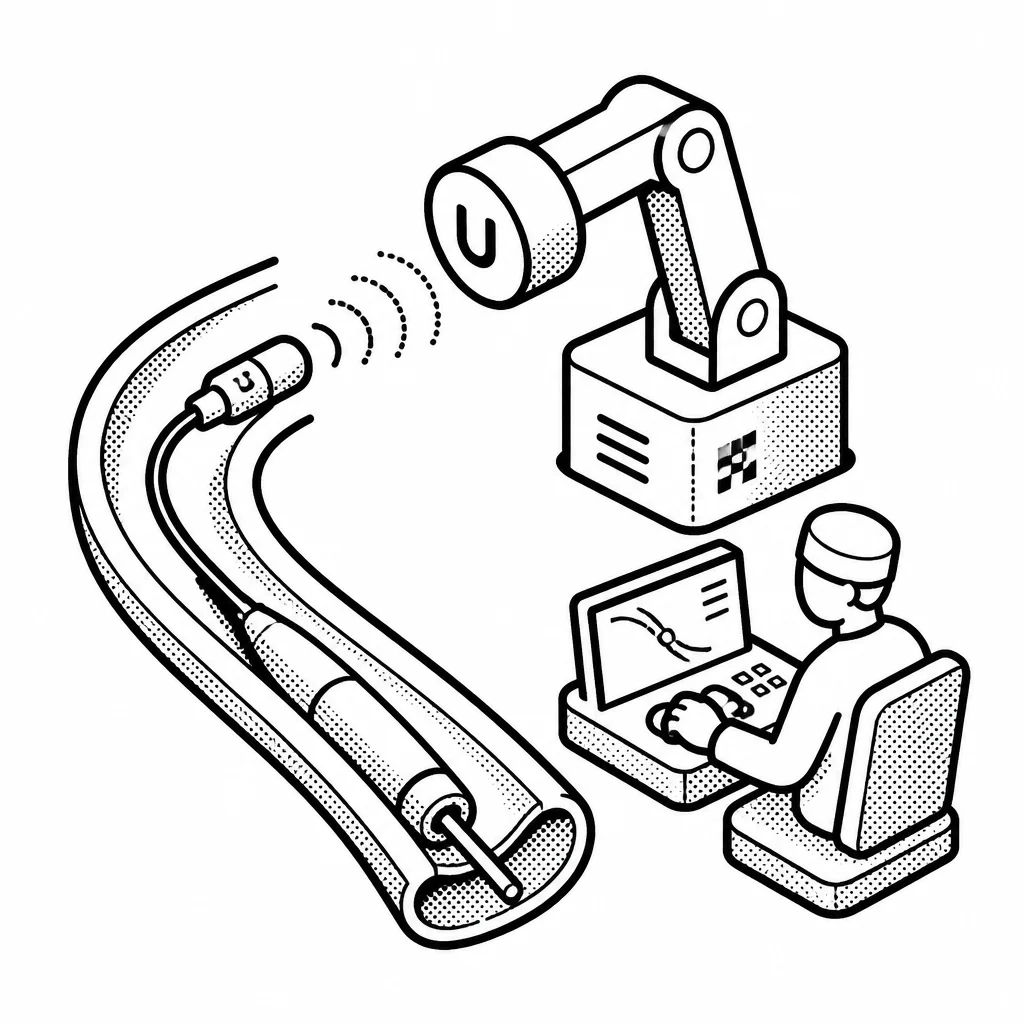
The core idea is simple. Heart procedures require threading a thin tube into delicate chambers of the heart, and doing that by hand takes skill and exposes doctors and patients to X-rays. Stereotaxis's magnets sit outside the patient and gently pull a magnet-tipped catheter into place, so the doctor works from a shielded room with precise computer control. That means less radiation exposure for the medical team and steadier, more precise movement inside the heart. The pitch to hospitals is safer, more accurate procedures that are easier for doctors to learn. The business is small and has struggled to make money. Stereotaxis has posted annual revenue in the roughly $20–30 million range in recent years and has consistently lost money, burning cash as it invests in new robot generations and tries to widen adoption. Its install base is limited, and each new system sale is a hard-fought win against entrenched competitors and against the simple habit of doing procedures by hand. The company has depended on raising capital to fund operations, which dilutes shareholders and makes execution risk a central part of the story.
The bet is that robotic magnetic navigation becomes standard equipment in electrophysiology labs, and that Stereotaxis captures that growth. Recent efforts have focused on a newer generation of its robot, partnerships to pair its navigation with other cardiac technologies, and pushing into markets outside the United States. Whether that translates into sustained profit is the open question: the technology is genuinely differentiated, but a small company selling expensive capital equipment into cautious hospital budgets faces a long, slow climb.
Saved answer · last researched 16 Nov 2026