Understand any stock in simple English
Enter a ticker to learn what the company does and how it makes money.
Stantec Inc.
Stantec is a professional consulting firm that designs and plans buildings, infrastructure, and environmental projects for governments and private companies.
Stantec is the company cities, developers, and governments call when they need someone to figure out how a bridge should be built, how a hospital should be laid out, or how a contaminated piece of land should be cleaned up. It's a professional consulting firm — a giant brain trust of engineers, architects, environmental scientists, and project managers who get paid for advice and design work, not for swinging hammers. The client pays for the plan, the drawings, the permits, and the oversight; someone else usually does the actual construction.
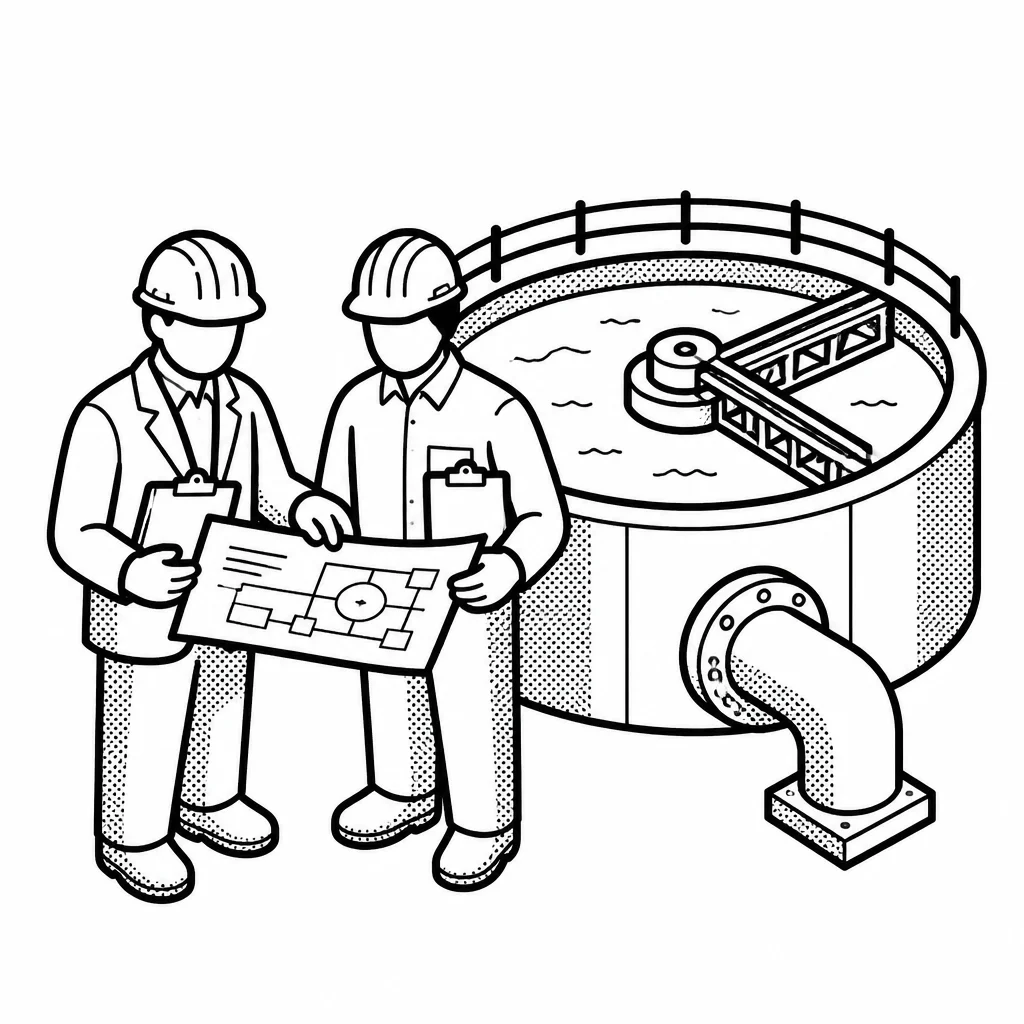
The business runs on people, and the work splits into a few broad buckets. One is buildings: designing schools, hospitals, offices, and sports arenas. Another is infrastructure: roads, bridges, water systems, and transit lines. A third is environmental work — cleaning up polluted sites, managing water resources, and helping energy and mining companies meet regulations. There's also a smaller energy and resources piece tied to oil, gas, mining, and power projects. Most of the money comes from public-sector clients and large private developers in the US and Canada, with a growing footprint in the UK and Australia. Why do clients hire Stantec instead of a rival like Jacobs or AECOM? Because big projects are risky and complicated, and hiring one firm with deep benches across many specialties is simpler than juggling a dozen small consultancies. Stantec's size also lets it chase giant government infrastructure programs that small firms can't handle. The flip side is that the business is cyclical and people-heavy: when construction slows or governments tighten budgets, the work dries up, and the company's main asset — its employees — can walk out the door.
Headquartered in Edmonton, Alberta, Stantec has grown largely by buying up smaller engineering and design firms — dozens of them over the years — and stitching them into one brand. That roll-up strategy explains its sprawling reach. It also generates steady free cash, which it uses for more acquisitions, a modest dividend, and share buybacks. It's a solid, unglamorous business: no factories, no inventory, just smart people billing hours on projects that keep the modern world running.
Saved answer · last researched 12 Nov 2026