Understand any stock in simple English
Enter a ticker to learn what the company does and how it makes money.
STERIS plc
STERIS sells the equipment and services that hospitals and drug makers use to clean, sterilize, and handle medical tools and devices.
STERIS is the company hospitals call when they need to make sure a surgical tool is actually clean. It sells the machines that sterilize instruments, the chemicals that go into them, and the services that keep those machines running. If a hospital performs surgery, it almost certainly relies on something STERIS makes or maintains.
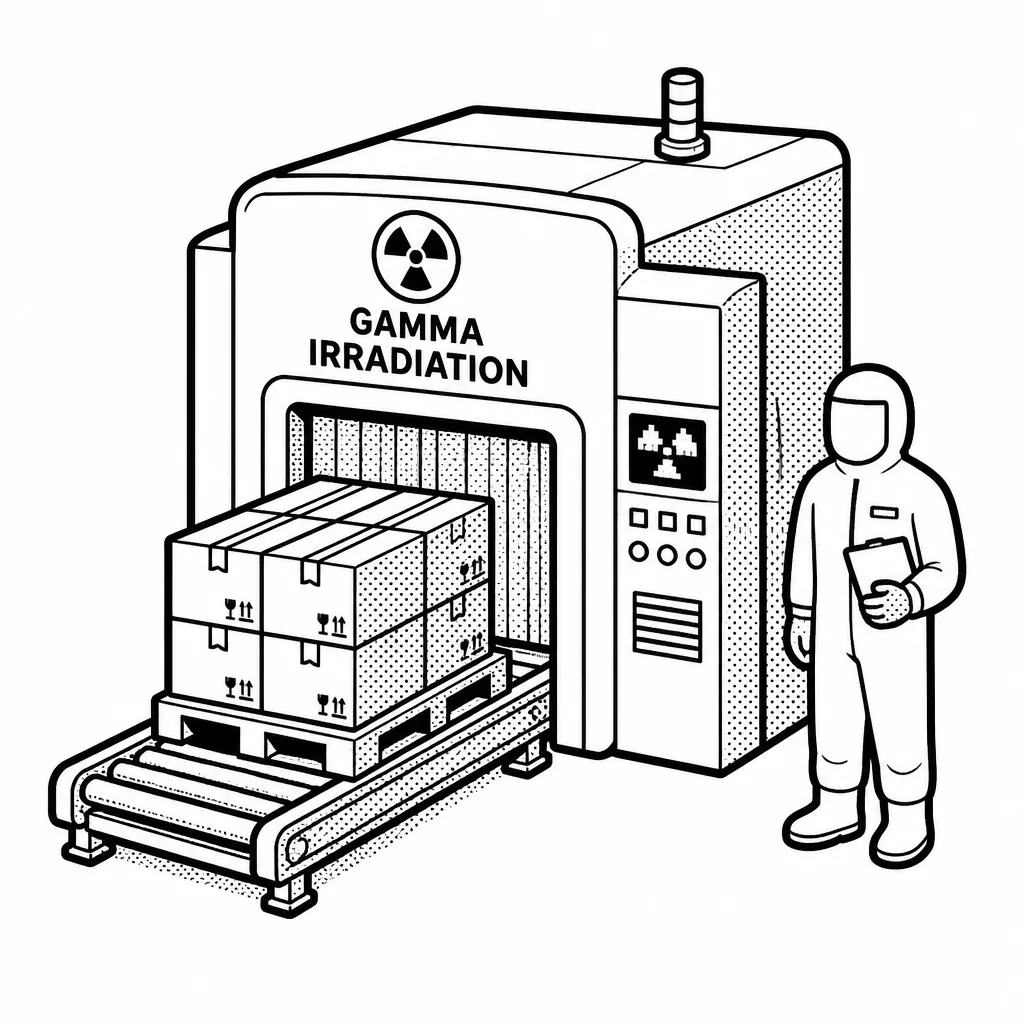
The business splits into a few parts. One sells sterile processing equipment and the consumables that keep it working. Another sends technicians to hospitals to repair and maintain sterilizers and other gear, plus sells the detergents and chemistries used to clean scopes and instruments. A third serves drug makers and medical device manufacturers, providing the equipment and services they need to sterilize products and keep clean rooms clean. The through-line is infection prevention and contamination control: STERIS gets paid to help customers avoid the expensive, dangerous problem of a dirty instrument or a contaminated batch. Why do customers stick around? Sterilization is a regulated, safety-critical chore. Switching suppliers means retraining staff and revalidating processes, so hospitals tend to stay put. STERIS has spent years buying up adjacent businesses to widen that moat, and it has had a real scrap with regulators: the U.S. Federal Trade Commission fought its deal to acquire Cantel Medical, a maker of endoscopy reprocessing equipment, and the companies had to settle in 2021 by selling some assets before the deal closed. That fight is a useful reminder that STERIS grows partly by acquisition, which invites antitrust scrutiny.
The company makes steady money from recurring service contracts and consumables, not just one-time equipment sales, which makes its results less jumpy than a pure machine seller's. It also pays a dividend and buys back shares. The biggest risks are the obvious ones: hospitals tightening budgets, competition from rivals in sterilization and infection prevention, and the constant need to keep regulators happy.
Saved answer · last researched 12 Nov 2026
Timeline
A Radical Sterilization Idea
Raymond Kralovic was a microbiologist with a problem: the tools surgeons used to look inside the body were delicate and melted in the hot steam normally used to kill germs, so they had to be disinfected with harsh chemicals instead. His employer, Amsco, thought his idea of using a cold liquid acid called peracetic acid to sterilize them was too risky and turned him down. So he quit and started his own company in Mentor, Ohio, to build a compact machine that could clean these instruments safely.
Sanford Takes the Helm
Two years later, Bill Sanford came aboard as president with fresh money to keep the tiny company alive. The outfit got a new name: STERIS.
The First Sterilizer Ships
With the regulators' blessing, the company shipped its first product, a machine called SYSTEM 1 that cleaned delicate instruments with that cold acid. It was the proof the founder needed that his rejected idea actually worked.
Going Public
STERIS sold shares to the public for the first time and listed on the stock market. The little startup from Ohio now had a war chest to grow with.
A Big Rival Becomes a Partner
Here is a twist: STERIS bought Amsco, the very company that had tossed out its founder's idea years earlier. In one move it went from a few hundred workers to several thousand, and it added cleaners and sprays used to prevent infection in hospitals.
Into Outsourced Sterilization
STERIS bought Isomedix, which sterilized other companies' products for them. That launched a whole new business of cleaning goods on someone else's behalf.
A Bigger Stage
With the business growing, STERIS moved its listing to the New York Stock Exchange to reach more investors.
Synergy Health Deal
STERIS merged with Synergy Health, another big player in outsourced sterilization, creating a global leader in keeping things germ-free. The combined company became a U.K. corporation, though its operations stayed rooted in Ohio, and the deal was designed to give easier access to cash earned around the world.
Joining the S&P 500
STERIS earned a spot in the S&P 500, the club of America's biggest public companies, and changed its home base from the U.K. to Ireland.
Cantel Medical Acquisition
STERIS spent about $4.6 billion to buy Cantel Medical, which made infection-prevention products and services for endoscopy and life sciences customers. The deal added instrument reprocessing and dental supplies to what STERIS could sell.
Carestio Becomes CEO
Dan Carestio, a 24-year company veteran who had worked his way up to operating chief, became the fourth president and CEO. He had helped run the Synergy Health integration, so the promotion was a long-planned handoff.
A North Carolina mega-site
STERIS announced its largest-ever single-site investment: a $600 million manufacturing and distribution campus in North Carolina, big enough to consolidate chemistry production from two other plants. Management expects it to pay back at returns above 10% within a few years of opening.