Understand any stock in simple English
Enter a ticker to learn what the company does and how it makes money.
Springer Nature AG & Co. KGaA
Springer Nature publishes academic journals and books that researchers, students, and health professionals rely on for trusted knowledge.
Springer Nature is one of the world's biggest publishers of academic research. It puts out thousands of scholarly journals and books, and it sells access to those publications to universities, libraries, hospitals, and researchers around the world. If you have ever read a scientific paper behind a paywall, or used a textbook or reference work in a health or science field, there is a decent chance Springer Nature had a hand in it.
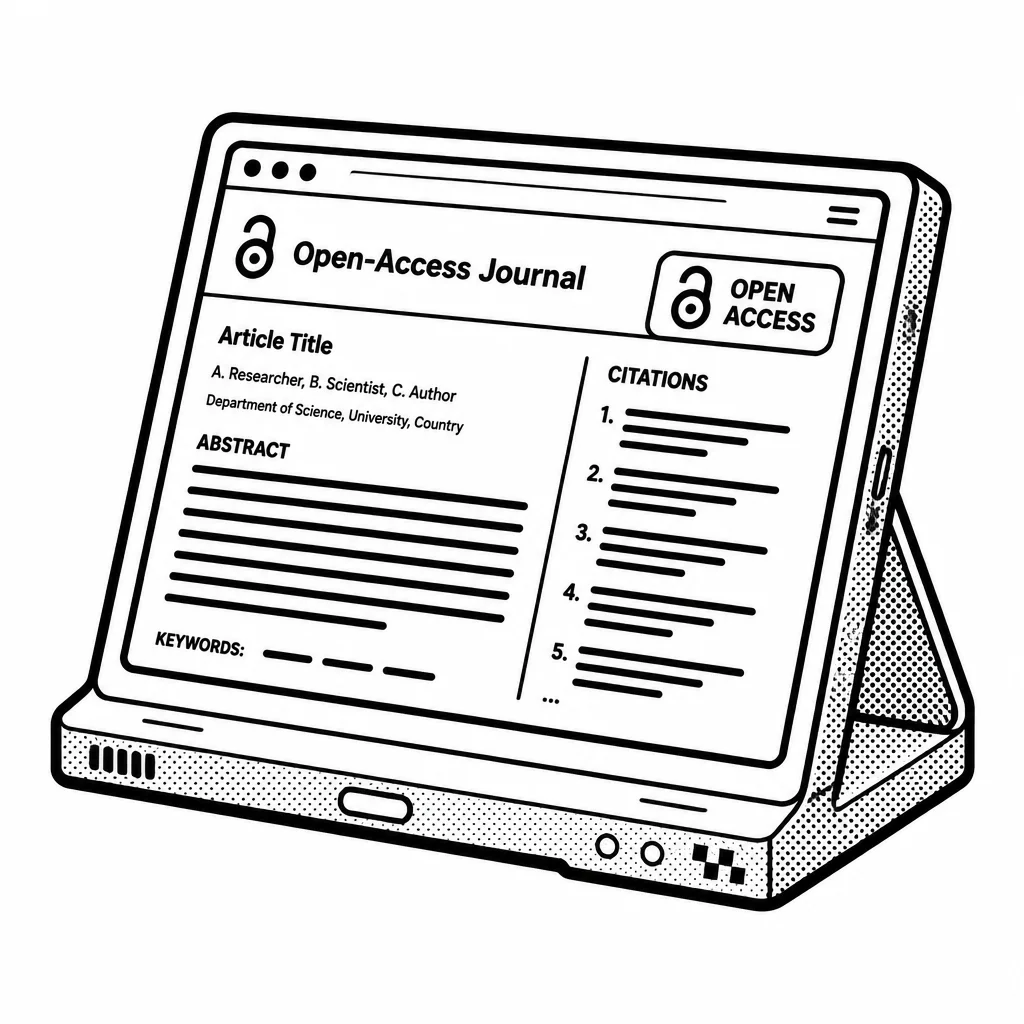
The business works like this: researchers submit their papers to a journal, the journal's editors and volunteer peer reviewers check the work, and if it passes, it gets published. The company makes money in two main ways. It charges institutions and individuals for subscriptions or access to its journals, and it also charges authors or their funders a fee to make an article freely available to everyone, a model called open access. That second model has been growing fast across the industry, and it is a big part of Springer Nature's story too. Why do customers stick with it? Reputation and scale. A journal's prestige is built over decades, and researchers want their work in places other scientists will actually see and cite. That gives the biggest publishers real pricing power, and it is also why they draw criticism — libraries and funders have pushed back hard on the cost of subscription deals, and some universities and research bodies have negotiated or walked away from contracts. Governments and funders in Europe and elsewhere have also pushed for more open access, which reshapes how the company earns money.
Springer Nature itself was formed in 2015 when the German publisher Holtzbrinck, which owned Springer, combined it with the Nature publishing group and the education and science arm of Macmillan. It is now majority-owned by Holtzbrinck, with private equity firm BC Partners holding a stake. Its listing on the Frankfurt exchange gives outside investors a way to own a piece of the scholarly publishing machine — a business built on the simple fact that science needs a trusted place to be published, read, and cited.
Saved answer · last researched 12 Nov 2026