Understand any stock in simple English
Enter a ticker to learn what the company does and how it makes money.
Sasol Limited
Sasol turns coal and gas into fuel and chemicals, and sells those products to industrial and transport customers around the world.
Sasol is a South African company that makes the stuff that keeps industry and vehicles moving: liquid fuels, chemicals, lubricants, and gas. Its customers are mostly businesses rather than everyday drivers — factories, mining operations, and other industrial buyers who need fuel or chemical ingredients in large volumes.
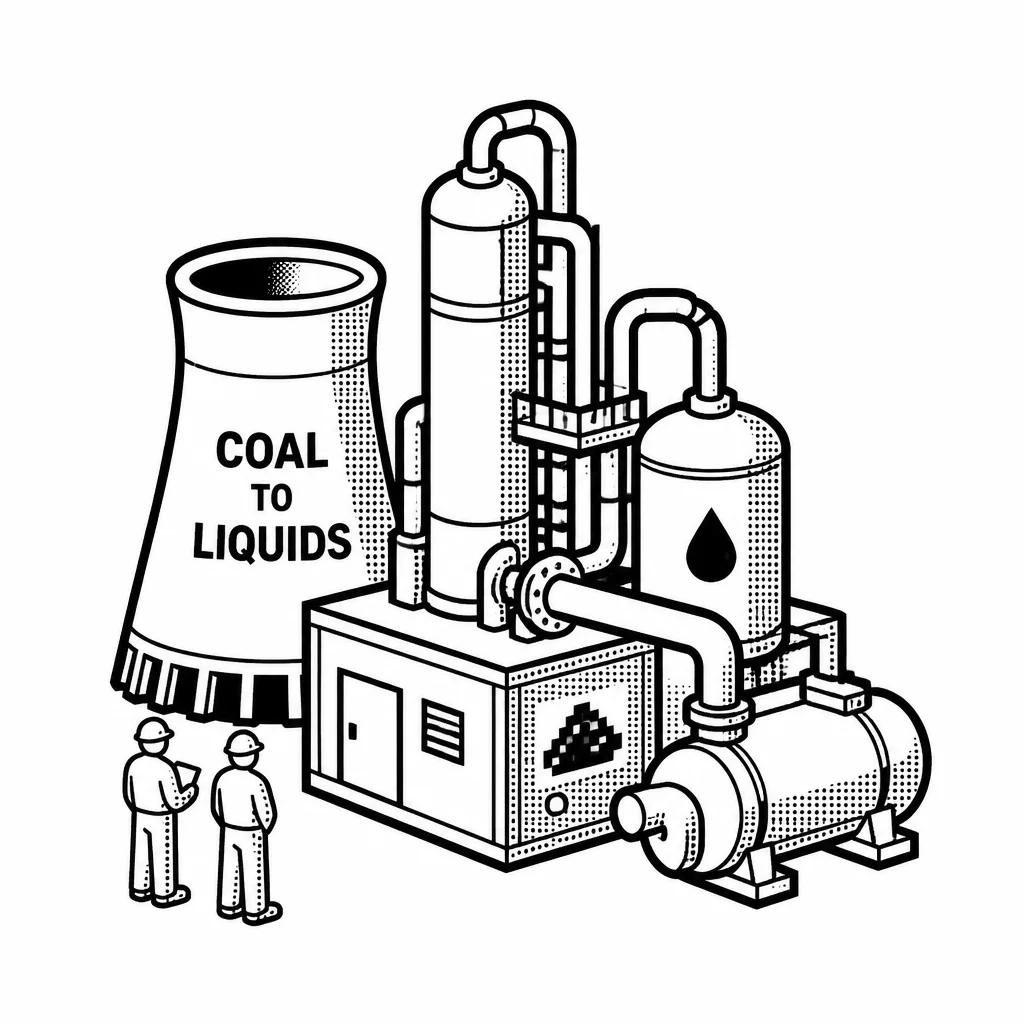
What makes Sasol unusual is how it makes fuel. Most refiners start with crude oil. Sasol has spent decades perfecting a process that starts with coal or natural gas instead, cooking them into a synthetic gas and then rebuilding that gas into liquid fuels and chemicals. This gave South Africa a way to keep fuel flowing during the apartheid-era oil embargoes, and it is still the technical backbone of the business today. The company runs two big engines. One is energy: mining coal and turning it, along with gas, into fuels and pipeline gas for industrial customers. The other is chemicals: it sells the building blocks for detergents, solvents, plastics, and other products, with manufacturing in South Africa and operations abroad, including the United States.
That model cuts both ways. Sasol's coal-to-fuel plants are expensive to run and produce a lot of carbon emissions, which puts it under growing pressure from regulators and investors focused on climate. It also carries heavy debt from past expansion, especially a big U.S. chemicals plant that ran over budget. Fixing the balance sheet has meant selling assets and cutting costs. The good years come when oil and chemical prices are high; the hard years come when they are not.
Saved answer · last researched 12 Nov 2026