Understand any stock in simple English
Enter a ticker to learn what the company does and how it makes money.
PT Summarecon Agung Tbk
Summarecon builds and sells planned townships, homes, and shopping centers in Indonesia, and also runs hotels and leisure spots.
Summarecon is one of Indonesia's big township developers. It takes a large piece of land, often on the edge of a fast-growing city, and turns it into a whole planned neighborhood — houses, shops, offices, schools, and green space — rather than just putting up a single building and moving on. Its best-known projects are Summarecon Kelapa Gading in North Jakarta and Summarecon Serpong outside the capital, and it has expanded into Bandung, Bekasi, Makassar, and Medan.
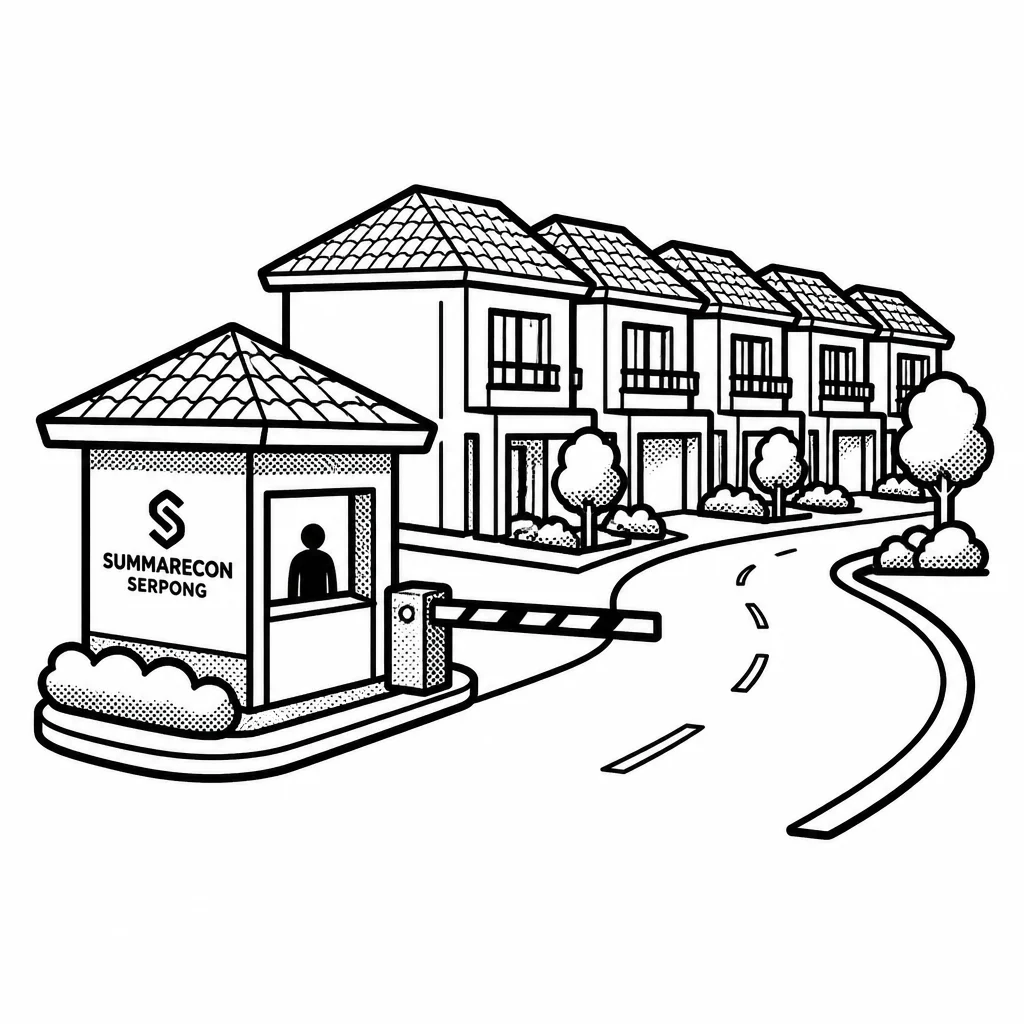
The money comes from two connected engines. The first is selling houses and shop-houses, plus land plots and commercial units, which brings in the bulk of the cash. The second is what happens after people move in: Summarecon keeps and operates shopping malls, and it runs hotels and other leisure and hospitality venues, which generate recurring rental and service income and make each township more attractive to buyers. That second engine matters because a lively mall and good amenities help sell the next phase of homes at better prices. The business is really a bet on Indonesia's growing middle class and on land values rising as a city spreads outward. Summarecon buys land early and cheaply, develops it over many years, and captures the value it creates. The downside is that this is a capital-hungry, slow business: it needs cash upfront for land and construction, it borrows to fund that, and its results swing with interest rates, mortgage demand, and consumer confidence. A weak property market or currency pressure can hurt both sales and the debt it carries.
Summarecon is listed on the Indonesia Stock Exchange and has paid dividends to shareholders over the years, though its spending priorities shift between land purchases, construction, and keeping debt in check. It competes with other large Indonesian developers such as Bumi Serpong Damai and Ciputra Development, and its edge is the township formula itself — a self-contained community where the developer controls the whole experience. The main risk is that property cycles are unforgiving, and a township takes many years to fully pay off.
Saved answer · last researched 12 Nov 2026