Understand any stock in simple English
Enter a ticker to learn what the company does and how it makes money.
Standard Motor Products, Inc.
Standard Motor Products makes replacement parts that keep cars and trucks running after they leave the factory.
Standard Motor Products is a parts maker for the repair business. When the alternator, sensor, or ignition part on your car wears out, a mechanic needs a replacement that fits and works — and this company is one of the big suppliers that makes it. It sells mostly to the aftermarket: the auto parts stores, distributors, and repair shops that fix cars that are already on the road. Because people keep fixing old cars, that business hums along even when new-car sales slow down.
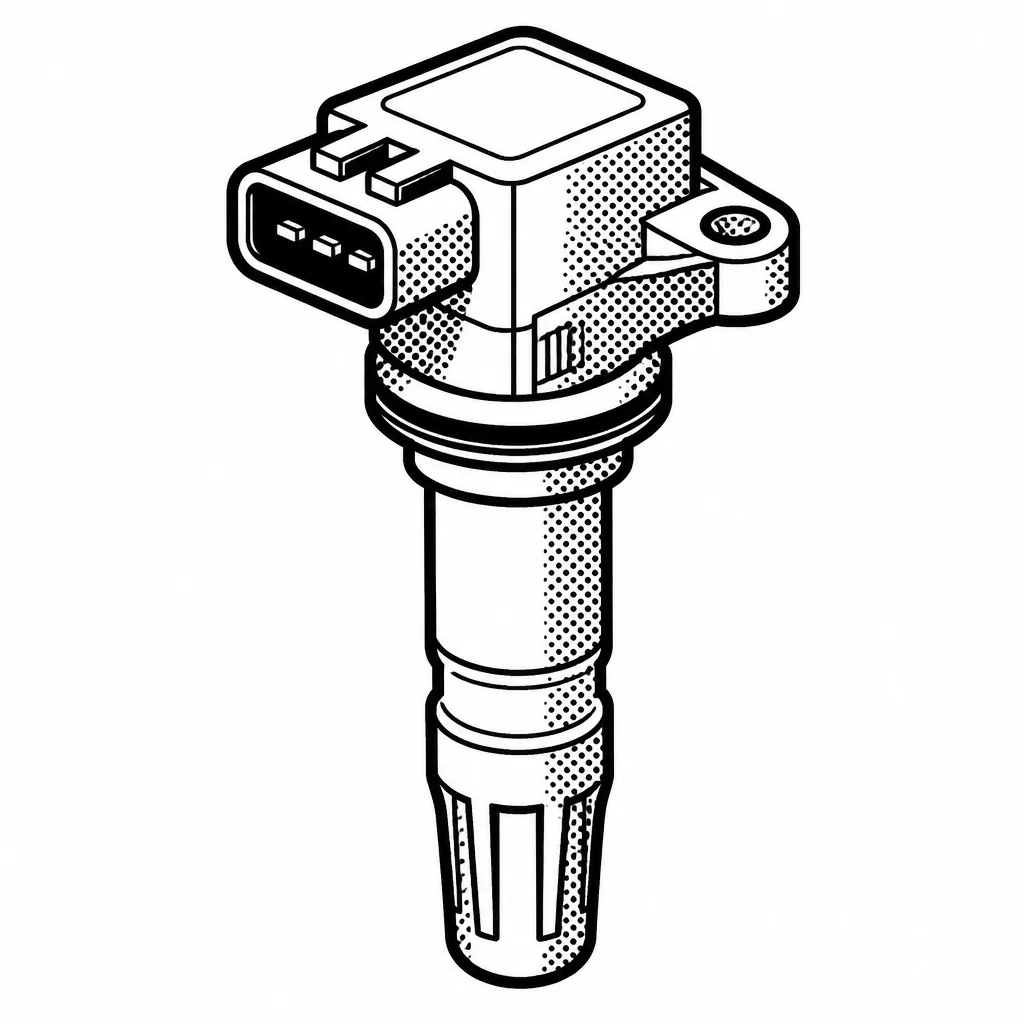
The company runs two main businesses. Its vehicle parts side makes engine and temperature control parts — things like sensors, ignition components, and the parts that manage an engine's heat. Its engineered solutions side makes similar parts, and more, for original equipment manufacturers, meaning companies that build vehicles and equipment and need these components built in from the start. In short, it sells to two kinds of customers: the repair world and the factory world. The economics are fairly simple and a bit unglamorous. Standard Motor Products doesn't own the auto parts stores; it sells through them. Its edge is breadth — carrying thousands of small parts that fit a huge range of vehicles, so a distributor can stock one catalog instead of chasing dozens of suppliers. That makes it a convenient one-stop source. But it is a crowded field, competing with other big parts makers and private-label brands, and the repair market grows slowly, roughly in line with how many cars are on the road.
The company is based in Long Island City, New York, and it has been around for over a century. It spends its cash on the usual things a steady industrial firm does: funding operations, paying a dividend, and buying back shares to return money to investors. It is a solid, old-fashioned business — not flashy, but one that quietly keeps a lot of aging cars on the road.
Saved answer · last researched 15 Nov 2026