Understand any stock in simple English
Enter a ticker to learn what the company does and how it makes money.
Smiths Group plc
Smiths Group makes specialized engineering parts — seals, sensors, connectors, and heating components — that keep industrial equipment and safety systems working.
Smiths Group is a British engineering company that makes the unglamorous hardware that keeps big machines and critical systems running. Its products include seals and bearings, detection sensors that spot threats or leaks, electrical connectors, and heating and fluid components. These are small parts, but they sit inside factories, aircraft, hospitals, and security checkpoints, where failure is expensive or dangerous.
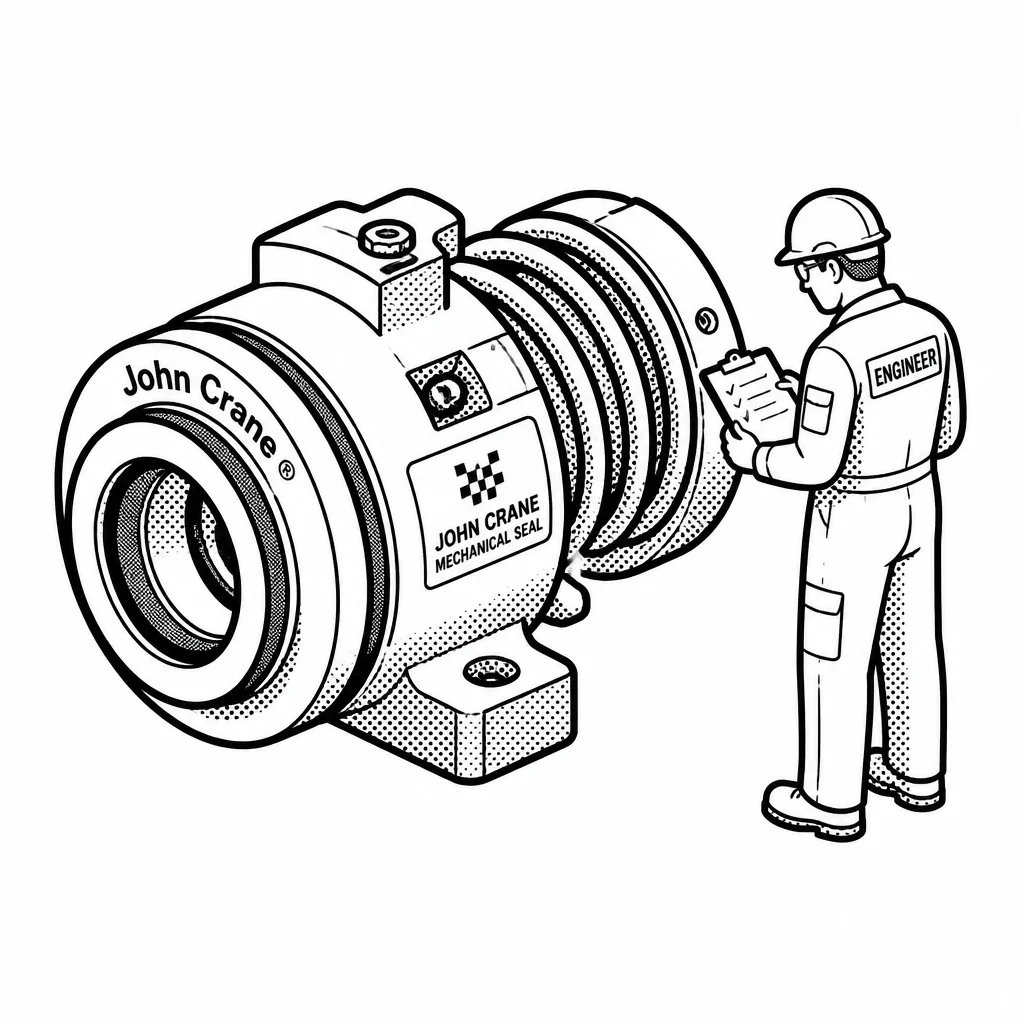
The company is really a collection of specialized businesses rather than one product line. Its John Crane unit sells mechanical seals and related services to oil and gas, chemical, and other heavy industries — a business where customers pay not just for the part but for ongoing maintenance and replacement. Its detection arm makes sensors and screening equipment used at airports and by security forces. Other units make connectors for harsh environments and electric heating and fluid-control components. Customers choose Smiths because these parts are engineered for reliability in tough conditions, and because swapping suppliers means requalifying equipment, which is costly and slow. Smiths is headquartered in London and has been around in various forms since the 1850s, but today it is a focused industrial group rather than a conglomerate of unrelated brands. It has been reshaping its portfolio, selling or spinning off businesses that did not fit and concentrating on higher-margin engineering niches. That matters because these niche markets tend to be less crowded than commodity manufacturing, and the recurring service and aftermarket revenue gives the business some stability when equipment orders slow.
The business is not without risk. Its fortunes are tied to industrial spending, energy investment, and defense and security budgets, all of which move with economic and political cycles. It also faces larger competitors in some segments and must keep investing in new products to stay ahead. Still, the core idea is simple: Smiths makes the small, critical components that other companies depend on, and then keeps selling them replacements and service for years.
Saved answer · last researched 14 Nov 2026