Understand any stock in simple English
Enter a ticker to learn what the company does and how it makes money.
Smiths Group plc
Smiths Group makes specialized industrial parts and sensors—like seals, connectors, and detection equipment—that keep machines, airports, and hospitals running safely.
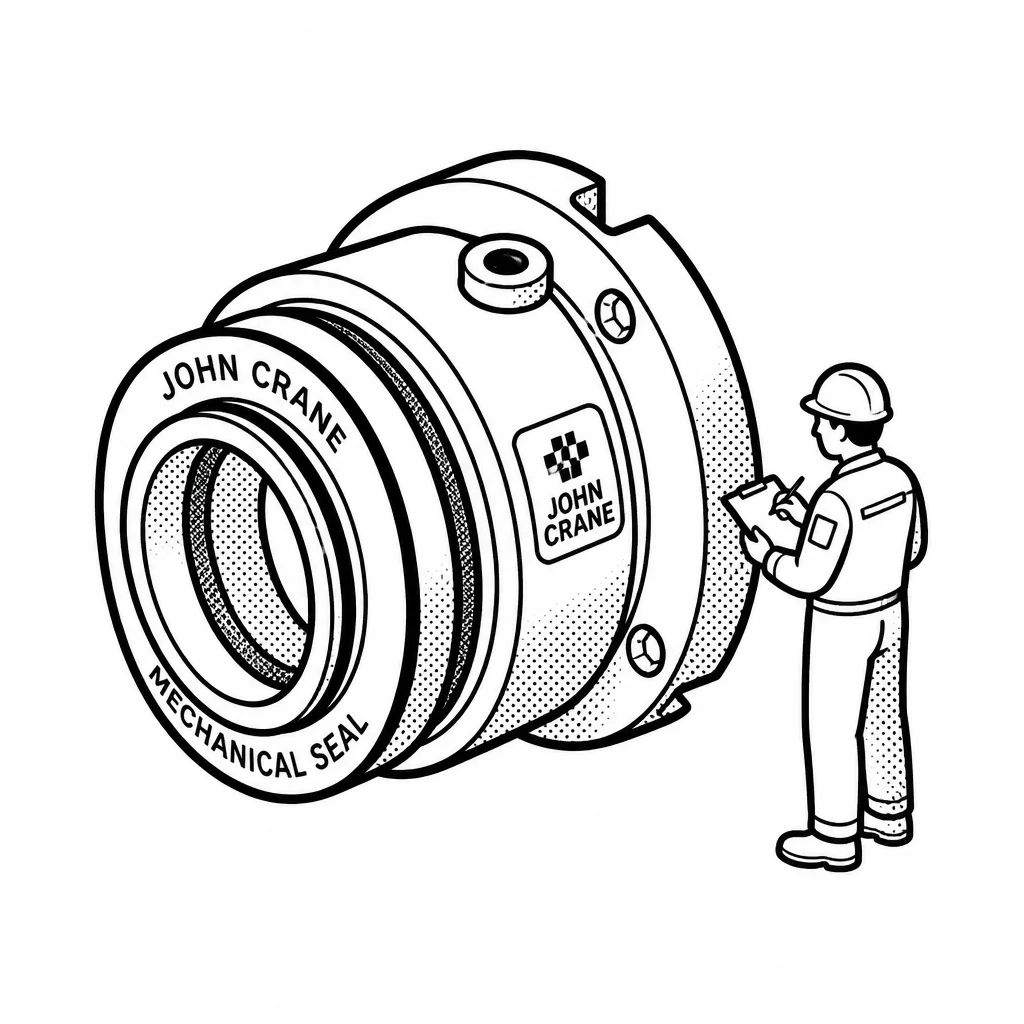
Smiths Group is an engineering company that makes the small, tough parts other businesses depend on but rarely notice. Its biggest business, John Crane, builds mechanical seals—the components that stop pumps and rotating machines from leaking oil, gas, or chemicals. Those seals go into refineries, power plants, and factories, where a leak can mean a shutdown or a disaster.
A second unit, Smiths Detection, makes the scanners and sensors you have probably walked past at airports and border crossings—the machines that check bags for explosives and cargo for hidden threats. Smiths Interconnect supplies connectors and electronics for defense and medical equipment, and Flex-Tek makes hoses and tubing for aerospace and industrial uses. Customers pay for reliability above all: when a seal fails or a scanner misses something, the cost is enormous, so they stick with proven suppliers. The company is headquartered in London and has been around in various forms since the 1850s, though today it is a focused industrial group rather than a conglomerate. Its markets are slow-growing but sticky, tied to spending on energy, defense, and security. Competition comes from specialized rivals in each niche rather than one big enemy. In 2024 the company announced a major plan to separate its two main divisions—John Crane and Smiths Detection—into independent businesses, a move aimed at letting each focus on its own customers and growth.
Smiths generates steady cash and returns much of it to shareholders through dividends and buybacks. A 2024 buyback of roughly 10% of its shares, worth about £1 billion, was one of its largest. The bet is simple: these are unglamorous but hard-to-replace products, and splitting them up should help the market finally value them properly.
Saved answer · last researched 11 Nov 2026