Understand any stock in simple English
Enter a ticker to learn what the company does and how it makes money.
Stella-Jones Inc.
Stella-Jones makes pressure-treated wood products—mainly railway ties, utility poles, and residential lumber—and sells them to railroads, utilities, and retailers.
Stella-Jones is a wood-treatment company. It takes raw wood, treats it with chemicals to make it last for decades outdoors, and sells the finished pieces to three kinds of customers: railroads that need ties to hold up their tracks, utilities that need poles to carry power lines, and retailers that sell lumber to homeowners for decks and fences.
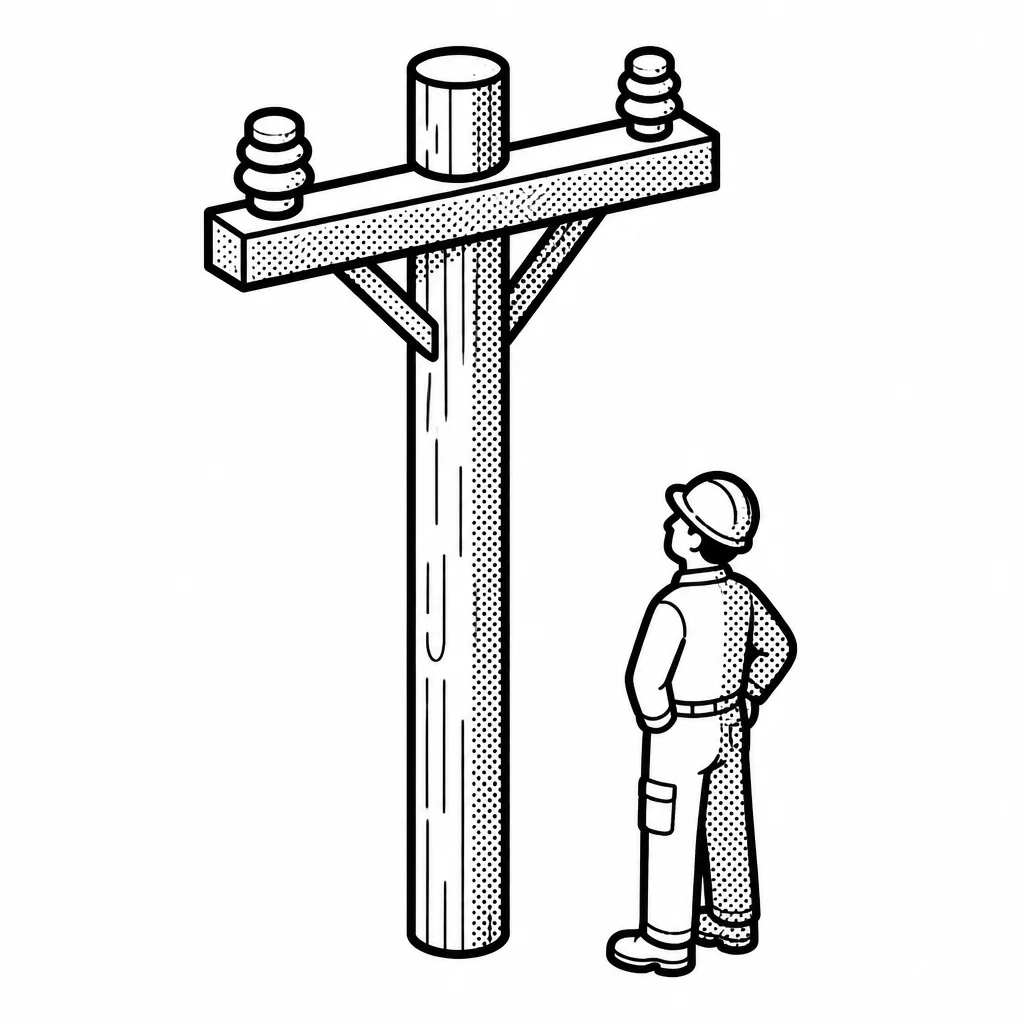
The railroad and utility side is the steady core. Railways replace ties constantly as they rot and crack under heavy trains, and utilities need poles for the power grid—both are recurring, hard-to-disrupt demand. Stella-Jones is the biggest player in North America in these markets, and its network of treatment plants scattered near its customers' rail lines and service territories gives it a real edge: treated wood is bulky and expensive to ship, so being close matters. Its residential lumber business is more of a swing factor. It sells decking and fencing lumber through retailers like Home Depot and Lowe's, and that segment rises and falls with home renovation spending. The business is simple to understand but capital-hungry. Stella-Jones buys a lot of wood, runs treatment plants, and carries inventory, so it spends heavily to keep the machinery turning. It has grown largely by buying up smaller treaters and expanding into the United States, which is now its biggest market. The company also returns cash to shareholders through a dividend, and it has bought back stock over the years.
The honest risk is concentration and cyclicality. A handful of big railroad and utility customers account for a large chunk of sales, so losing one would sting. Residential lumber depends on consumers feeling like fixing up their decks, which fades when rates rise and budgets tighten. And the whole business rests on a commodity input—wood—whose prices can swing sharply, squeezing margins when costs jump before they can be passed along.
Saved answer · last researched 15 Nov 2026