Understand any stock in simple English
Enter a ticker to learn what the company does and how it makes money.
SIMPAR S.A.
Simpar is a Brazilian holding company that rents out cars and trucks, manages corporate fleets, runs logistics operations, and offers financial services.
Simpar is a Brazilian holding company that owns a family of businesses built around one big idea: most companies would rather not own and babysit their own cars, trucks, and equipment. Simpar rents them out, manages them, and increasingly handles the whole logistics chain around them. Its customers are mostly other companies — from small businesses needing a work truck to big shippers moving goods across Brazil.
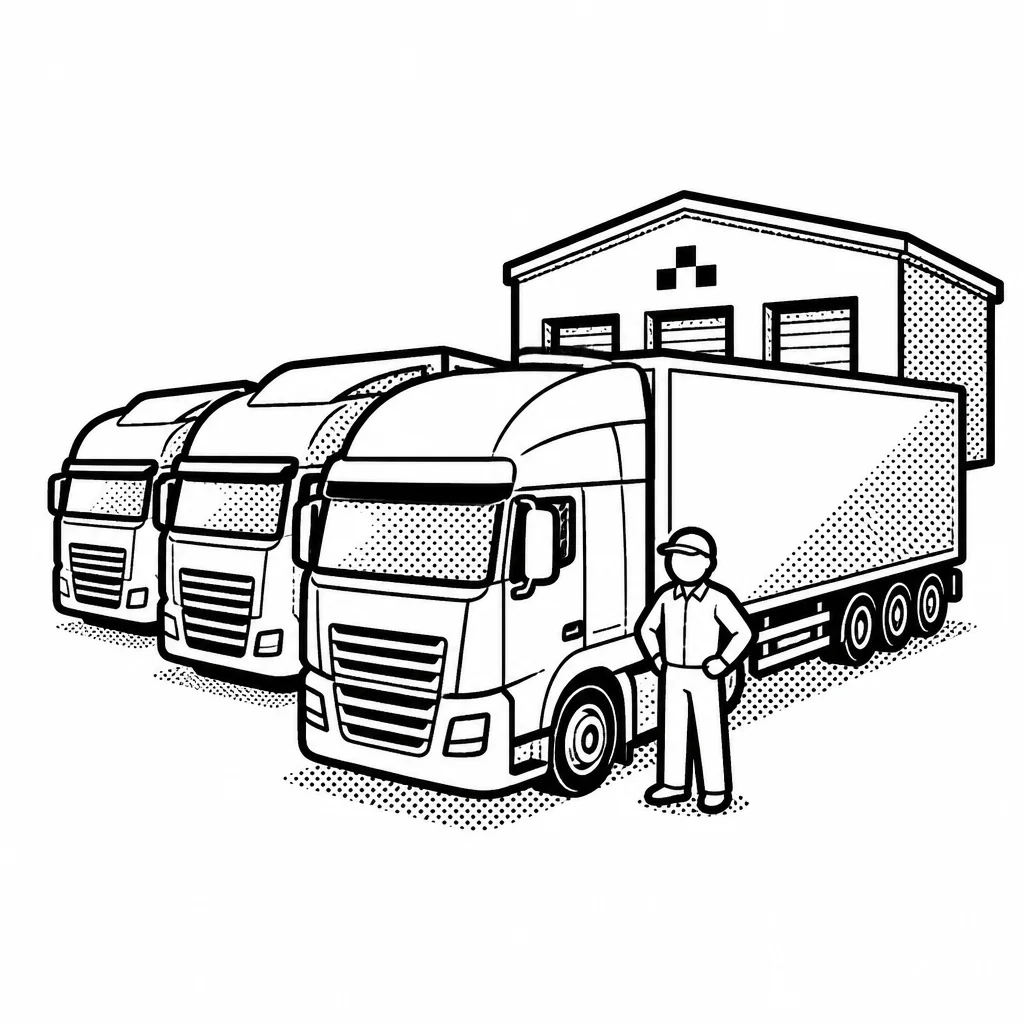
The group's core is fleet rental and management. Through its main rental arm, it leases cars and light trucks to companies that want predictable costs instead of the headache of buying, insuring, and maintaining vehicles themselves. A logistics arm handles freight and supply-chain work, and a heavy-equipment side rents out trucks and machinery for construction and agriculture. There is also a car dealership business selling new and used vehicles, and a financial services arm that offers credit and insurance to customers of the group's businesses. Simpar is headquartered in São Paulo, and its shares trade on B3, the Brazilian stock exchange. The business model is simple and sticky: renting vehicles and managing fleets generates recurring monthly revenue, and customers tend to stay for years because switching means disruption. That recurring cash flow funds the group's expansion into adjacent services. It is a capital-hungry business, though — buying trucks and cars takes real money, so the company carries meaningful debt and depends on borrowing costs staying reasonable. In Brazil, where interest rates can be high and volatile, that is a genuine vulnerability, not a footnote. Simpar was formerly known as JSL, and the rebrand reflects a shift from a pure logistics operator into a holding company overseeing several related businesses. The group has grown largely by acquiring and building out these arms, and today it is one of the larger players in Brazilian vehicle rental and fleet services. Its competitors include big rental and logistics firms in Brazil, and its fortunes are tied closely to how much companies are willing to spend on transportation and equipment — which makes it a decent barometer of Brazilian business activity.
The company's free cash flow mostly goes back into buying more fleet, since growth means adding vehicles and customers. That is the engine of the whole thing: more trucks rented out means more recurring revenue, which supports more borrowing to buy more trucks. It is a flywheel that works well when demand is strong and credit is cheap, and gets uncomfortable when either one turns.
Saved answer · last researched 12 Nov 2026