Understand any stock in simple English
Enter a ticker to learn what the company does and how it makes money.
Siemens Limited
Siemens India sells industrial automation, electrification, and mobility equipment and software that help factories, buildings, and railways run.
Siemens India is the Indian arm of the German engineering giant Siemens, and it sells the brains and the muscle that keep big physical things running. Factories use its controllers and software to automate production lines. Buildings use its switchgear and smart infrastructure gear to manage power safely. Railways and metros use its signaling and electrification systems to move trains. It sells to industrial companies, utilities, infrastructure developers, and government rail projects, mostly in India but also abroad.
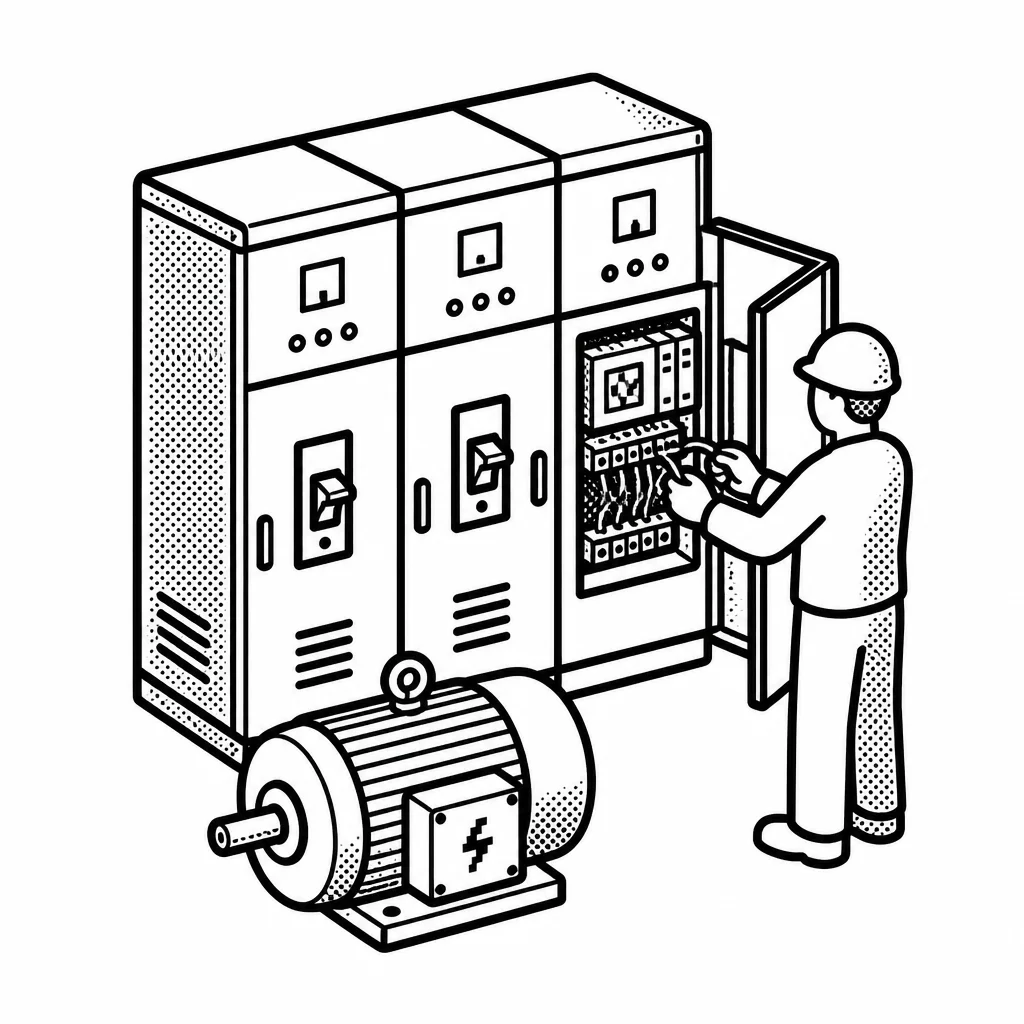
The business splits into a few clear buckets. Its biggest is smart infrastructure and electrification, which covers everything from low-voltage switchgear to building automation. Then comes digital industries, the factory automation and industrial software side. Mobility is the rail signaling, electrification, and rolling stock business. It also has a smaller services arm that maintains and upgrades what it has already sold. The pattern across all of it: sell the equipment, then earn recurring money on service and software. India's infrastructure buildout is the tailwind. New metro lines, expanding rail networks, factories moving up the automation curve, and data centers all need exactly the kind of heavy electrical and control gear Siemens makes. That gives it a long runway of demand that doesn't depend on consumer spending. It competes with ABB and Schneider Electric in electrification and automation, and with Hitachi and others in rail systems.
One notable move: Siemens India has been separating its energy business, carving out the energy segment so the remaining company focuses on automation, infrastructure, and mobility. The company also pays dividends and has historically been almost debt-free, generating cash steadily. The risk is that big infrastructure orders are lumpy and tied to government spending cycles and project timing, so revenue can swing quarter to quarter even when the long-term demand is solid.
Saved answer · last researched 12 Nov 2026