Understand any stock in simple English
Enter a ticker to learn what the company does and how it makes money.
Shelf Drilling Ltd.
Shelf Drilling owns and operates shallow-water jack-up drilling rigs that it leases, along with crews, to oil and gas companies who need to drill wells offshore.
Shelf Drilling is an offshore contractor that owns a fleet of jack-up rigs — the steel-legged platforms that plant themselves on the seabed in shallow water, jack their deck up above the waves, and then drill wells for oil and gas companies. Its customers are the major oil companies and national oil companies that want to drill in places like the Middle East, West Africa, Southeast Asia, and the North Sea but would rather rent a rig and crew than own one.
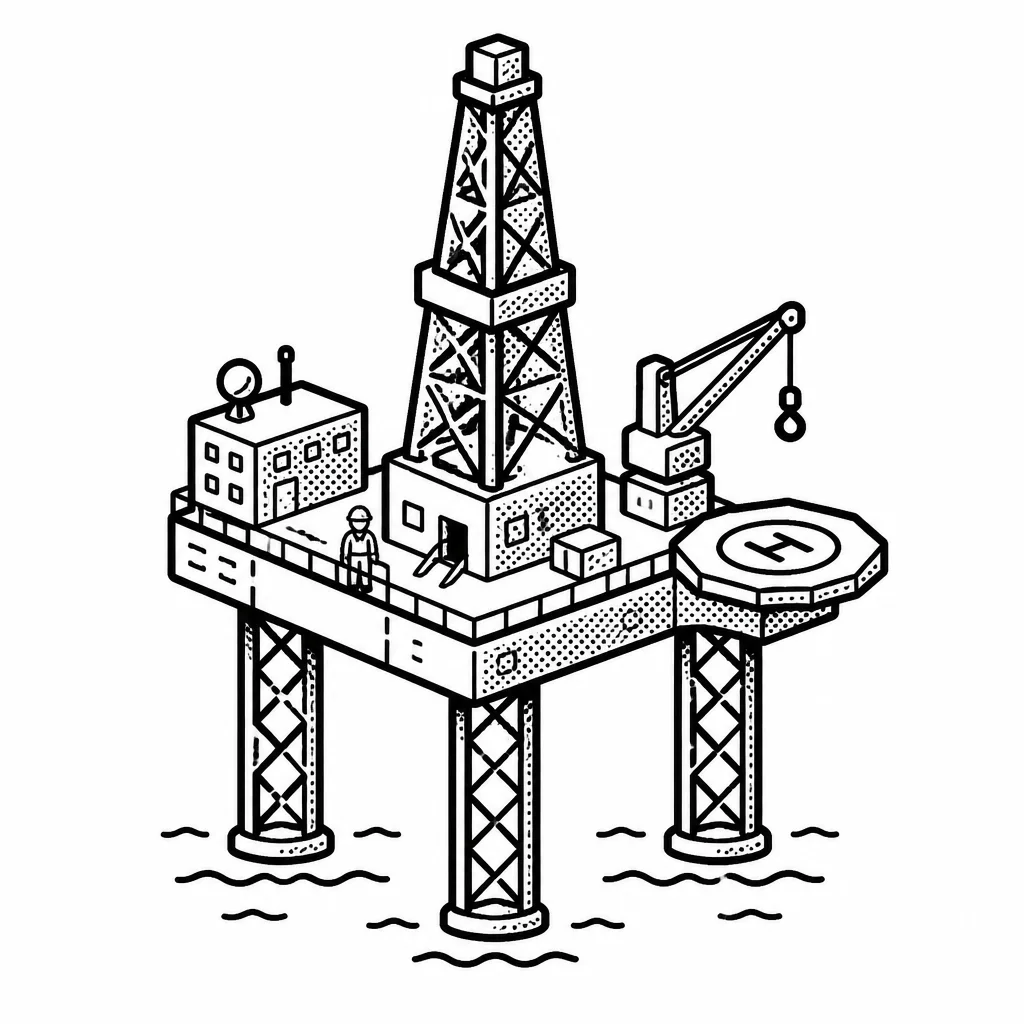
The business is simple in concept and brutal in practice. A rig is a giant, expensive piece of capital equipment that earns nothing when it sits idle, so the whole game is keeping rigs contracted at good day rates. When oil prices are high and companies are drilling, day rates climb and rig owners make fat profits. When prices crash, contracts get cancelled, rigs get stacked, and the same companies bleed. Shelf Drilling built itself up by buying older rigs cheaply from bigger contractors — the company was founded in 2012 when it acquired a batch of jack-ups from Transocean — and running them in markets where customers cared more about availability and price than about having the newest equipment. That strategy made it one of the largest pure-play shallow-water drillers, with a fleet of dozens of rigs. The catch is that older rigs and a debt-funded roll-up leave little room for error, and the company has been through restructurings as the cycle turned. Its shares, once traded in Oslo, no longer trade; the company is now owned by its creditors and private investors after a financial overhaul, which tells you a lot about how the offshore drilling business treats the companies that borrow heavily to buy rigs.
The thing to understand is that Shelf Drilling does not find oil or sell oil. It sells the ability to drill a hole in the seabed, priced by the day, and its fortunes rise and fall with whether oil companies feel like spending on shallow-water projects. Competitors include other jack-up specialists like Borr Drilling and the legacy rig fleets of the big offshore contractors, all chasing the same contracts. When day rates are strong, the rigs generate real cash; when they are weak, the debt on those rigs becomes the whole story.
Saved answer · last researched 15 Nov 2026