Understand any stock in simple English
Enter a ticker to learn what the company does and how it makes money.
SharonAI Holdings Inc.
SharonAI rents out powerful computer chips and AI infrastructure to companies that need to train and run artificial intelligence.
SharonAI is a company that sells access to raw computing power for artificial intelligence. When AI labs and big tech companies want to train a model or run it for customers, they need thousands of specialized graphics chips running side by side in a data center. Those chips are expensive and hard to manage. SharonAI buys them, houses them, and rents out the capacity by the hour, so customers get the horsepower without building their own facilities.
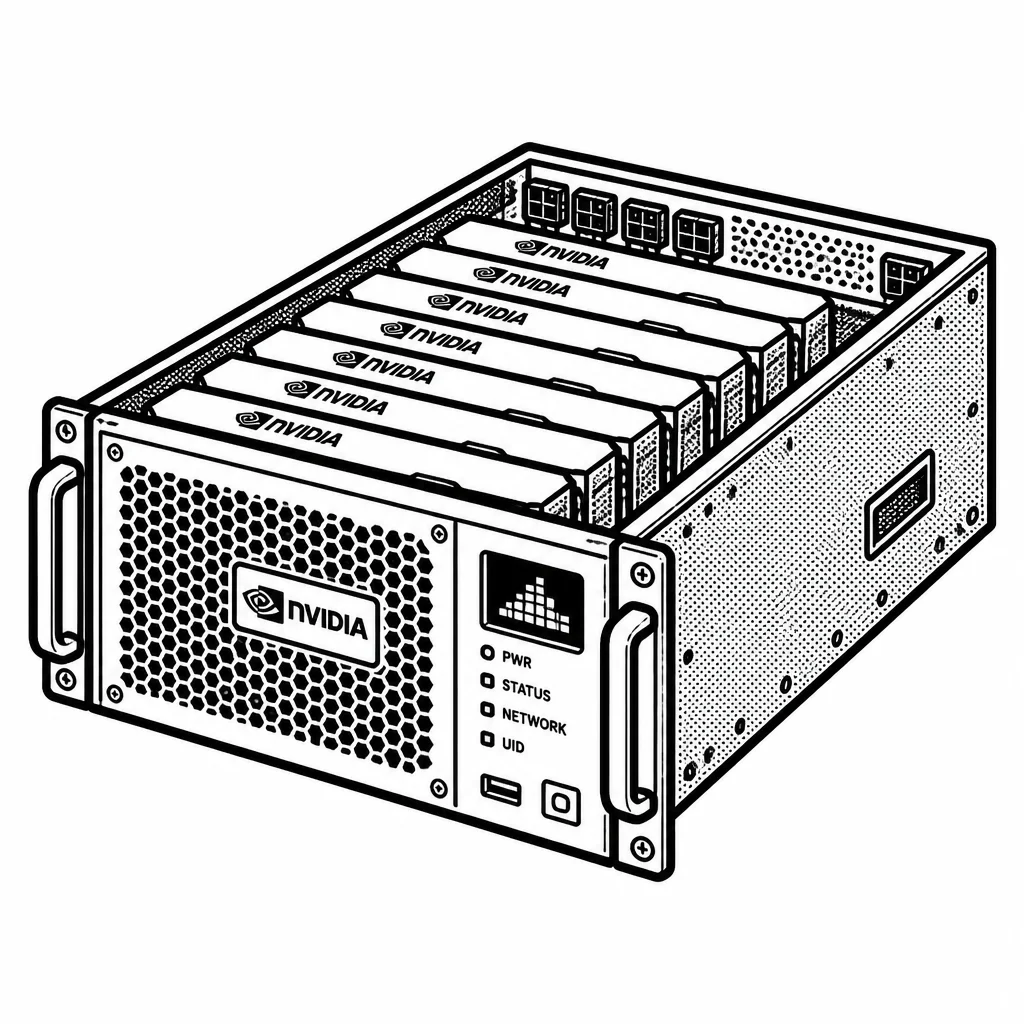
The company traces back to a blank-check firm called Roth CH Holding Inc., which raised money on the public market with the sole purpose of merging with a real business. It found its target in SharonAI, a GPU cloud provider, and the combined company now trades on Nasdaq under the ticker SHAZ. That structure matters for investors: the public listing came through a merger rather than a traditional IPO, a path that has become common for young infrastructure companies. Its customers are the organizations that burn through the most compute: AI research labs, hyperscalers who need extra capacity on demand, universities, and regulated industries like finance and healthcare that want powerful AI systems but need tight control over their data. The pitch to them is speed and flexibility. Building a cluster of high-end chips takes months and huge capital; renting from SharonAI takes a contract. Competitors range from the giant cloud providers to specialist GPU rental outfits, so the fight is over price, chip supply, and reliability.
The business is capital-hungry and cyclical in an unusual way. SharonAI must keep spending on the newest chips, because older ones lose value fast as AI models get bigger. That spending is the whole game: if demand stays hot, the rented chips earn back their cost and more; if the AI buildout cools, the company is left holding expensive hardware that depreciates. That makes SharonAI a leveraged bet on the AI boom itself, a picks-and-shovels seller whose fortunes rise and fall with how much the world decides to spend on artificial intelligence.
Saved answer · last researched 11 Nov 2026
BIG PICTURE
One contract with a small Indian IT firm is expected to supply about three-quarters of SharonAI's revenue estimates
- 75% Revenue estimates tied to the ESDS contract
- 25% Revenue estimates from other customers and deals
SharonAI rents out Nvidia chips, and its projected sales lean heavily on a single $1.25 billion deal with ESDS, an Indian IT services company. Analysts expect that one contract to account for roughly three-quarters of their revenue estimates. ESDS earned $39.9 million last year but must pay about $250 million a year for five years, more than its entire balance sheet. If those payments slip, SharonAI's numbers wobble. Source: Midas, data from 2026
Timeline
A New Kind of Cloud for AI
In 2024, two Australians, James Manning and Nick Hughes-Jones, started SharonAI with a simple bet: the world was about to be desperate for raw computing power. Instead of building their own huge data centers, they rented out high-performance GPU capacity — the chips that train and run AI — under a model people call a neocloud. They lined up managed investments in hundreds of megawatts of computing capacity across Australia and the US, aiming straight at the AI boom.
SharonAI Drops Filecoin Mining
At first the company had also been mining Filecoin, a digital currency. During 2025 it shut that business down and pointed everything at renting GPU infrastructure. That turned out to be the smarter bet: GPU services became the company's main source of revenue.
SharonAI Goes Public Through Roth
To get onto a public stock exchange, SharonAI Inc. combined with Roth CH Holdings in December 2025 and became a subsidiary of a new parent, SharonAI Holdings Inc. In accounting terms it was a reverse recapitalization — SharonAI was really the one buying Roth, not the other way around. A sharp 1-for-50 reverse stock split followed to tidy up the share count.
Raising Money Before the Listing
Just before going public, the company raised about $100 million by selling convertible notes — loans that can later turn into shares — and demand was strong enough to push the total past that mark. Across 2025 it issued roughly $104 million of these notes. The money gave SharonAI a war chest before its shares ever traded.
A Billion-Dollar Debut on Nasdaq
In February 2026, SharonAI listed on Nasdaq and raised about $125 million at a valuation over $1 billion. Early backers who had paid $12.50 a share watched them worth $30 on day one. The listing handed the company fresh capital to pour into its AI build-out — and, for a moment, everything looked like it was going to plan.
Manning Takes the CEO Chair
In January 2026, co-founder and chairman James Manning stepped into the CEO role, replacing Wolf Schubert. Schubert didn't leave entirely; he stayed involved with the company's North American projects. The founder was now running the show day to day.
Selling the Texas Data Center Stake
That same month, SharonAI sold its half-interest in Texas Critical Data Centers to New Era Energy & Digital for $70 million, booking a $65.9 million gain. It was a clean piece of business: cash out of a side project, recycled straight into the core Australian AI Cloud. A tidy profit, and more fuel for the main engine.
Billions in Contracts, Tiny Revenue
By August 2026 the company had signed contracts worth $8.8 billion in total — roughly four times more than a quarter earlier. The headline was a six-year Nvidia collaboration worth at least $4.9 billion, covering up to 40,000 of Nvidia's newest GB300 GPUs. But here's the catch that explains everything: quarterly revenue was only about $2 million. The company had to buy and install those GPUs before any contract could actually pay off. It had promised the future without collecting it yet.
The Stock Falls Back to Earth
Then the story turned. The stock dropped about half in a single month, falling from around $55 to about $26 by late October 2026 — below its $30 listing price and miles from its $97 peak. The trigger was a funding scare: Nvidia paused some AI-compute partnerships that SharonAI's financing depended on. And the deeper problem was structural. The company leaned on a costly secured credit facility and dilutive convertible notes, which meant ordinary shareholders sat last in line for a business that still wasn't generating real revenue. The promise was enormous; the cash was not.