Understand any stock in simple English
Enter a ticker to learn what the company does and how it makes money.
Sims Limited
Sims buys scrap metal, processes it into clean reusable metal, and sells it to factories and mills around the world.
Sims Metal is one of the world's biggest recyclers of scrap metal. It takes the old cars, broken appliances, demolished buildings, and factory offcuts that pile up everywhere, sorts and shreds them, and turns them into clean, usable metal that steel mills and smelters can melt down and make into new products. It handles both ferrous metals (the ones with iron in them, like steel) and non-ferrous metals (like copper, aluminium, and brass).
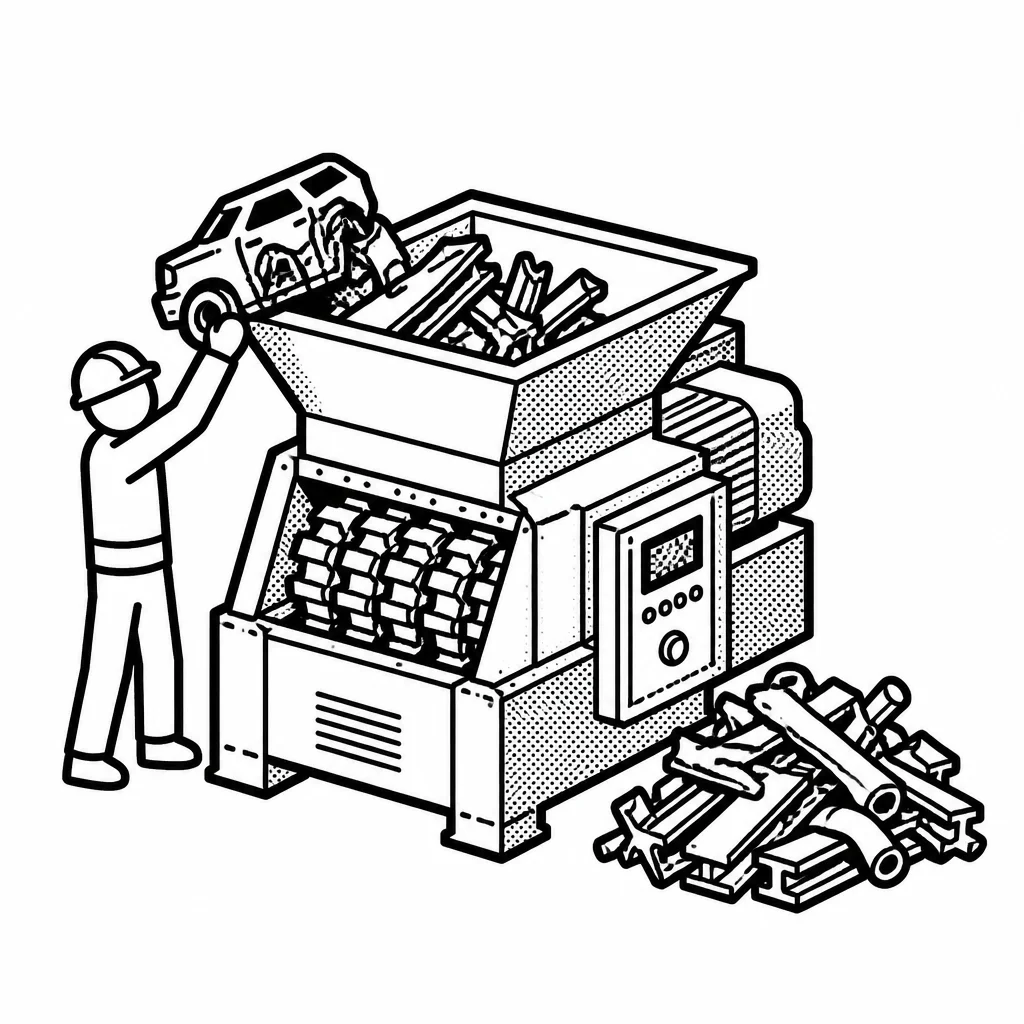
The business runs on a simple spread. Sims buys scrap from individuals, businesses, and governments at one price, spends money processing it, and sells the cleaned-up metal to industrial customers at a higher price. The tricky part is that scrap prices swing wildly with global metal markets, so the company has to manage inventory carefully — buy too much before a price drop and it loses money. It operates hundreds of facilities across North America, Europe, Australia, and Asia, and the sheer scale of its network is its main edge: it can collect scrap from thousands of small sources and aggregate it into the consistent, high-quality loads that big mills demand. Sims is headquartered in Australia but earns most of its revenue overseas, particularly in North America. The company has been through a long restructuring, shedding weaker operations and closing underperforming sites to focus on the most profitable recycling yards. It also operates a smaller business in used electronics recycling and IT asset disposal, which lets it recover valuable metals from old computers and phones while helping companies securely wipe their data. That segment adds a steadier, service-like stream of income on top of the volatile scrap trade.
The scrap business is cyclical and capital-intensive. When construction and manufacturing are booming, demand for recycled metal rises and Sims does well; when they slump, margins get squeezed. Competitors include large scrap processors and, increasingly, mills that buy scrap directly. The company pays a dividend and has bought back shares in recent years, returning cash to investors when the cycle allows. One reason it matters beyond profit: every tonne of recycled steel saves roughly the energy and emissions of making new steel from raw ore, so Sims sits at the center of the global push to make heavy industry greener — a tailwind that could grow as governments and manufacturers chase lower-carbon supply chains.
Saved answer · last researched 12 Nov 2026