Understand any stock in simple English
Enter a ticker to learn what the company does and how it makes money.
Smithfield Foods, Inc.
Smithfield turns pigs into packaged meats like bacon and sausage and fresh pork cuts, selling them to grocery stores and restaurants.
Smithfield is one of the world's largest pork companies, and it does two things: it raises and processes pigs, and it sells the results as fresh pork and packaged meats like bacon, sausage, and ham. If you've bought a hot dog at a ballpark or a pack of bacon at the grocery store, there's a decent chance it started on a Smithfield farm.
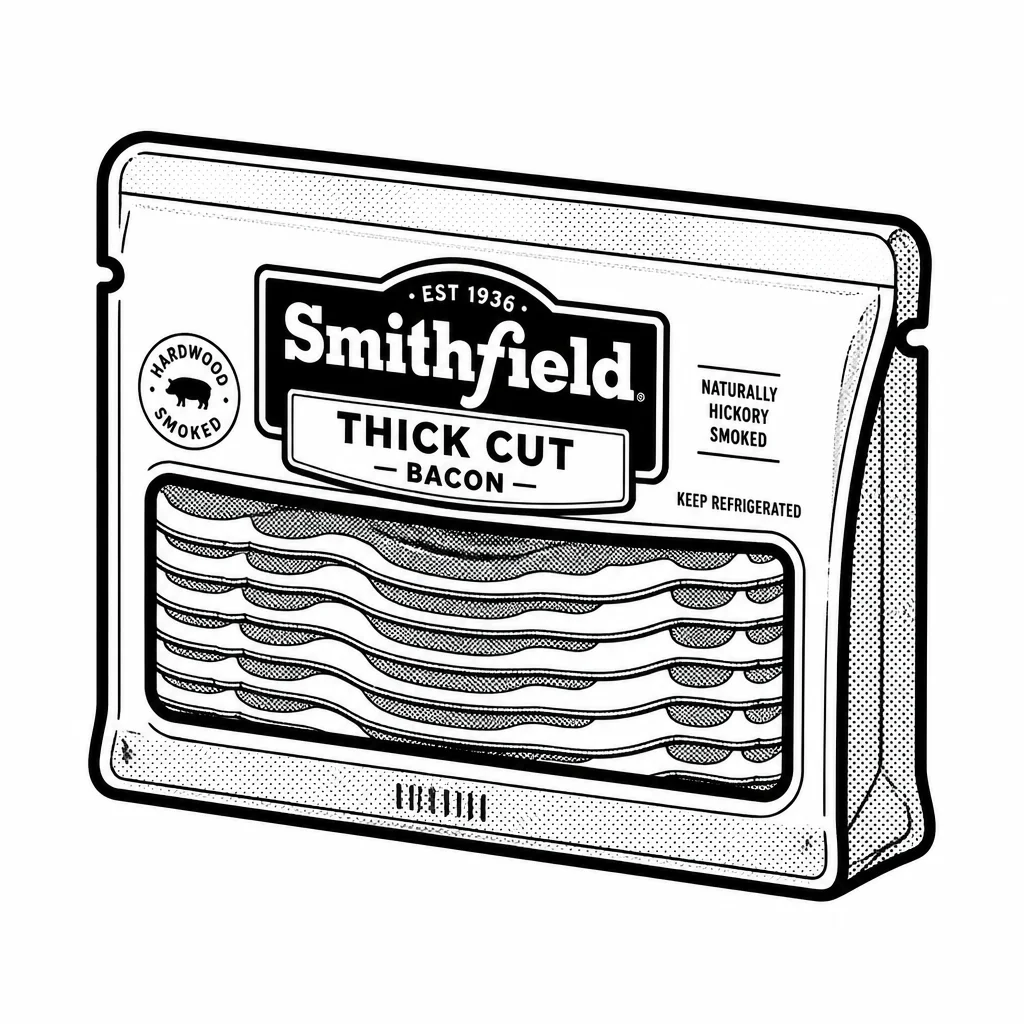
The company owns farms and processing plants, which means it controls the pig from birth to package. It sells to grocery stores, which stock its brands, and to foodservice customers like restaurants, hotels, and cafeterias. Its brands include Farmland and Eckrich for packaged meats, and it also sells fresh pork chops, ribs, and tenderloins. Being vertically integrated is a double-edged sword. Smithfield knows exactly what's in its supply chain and can keep costs down, but it also carries the risk of owning farms and dealing with volatile hog prices and feed costs. The pork business is cyclical — when hog prices spike, profits get squeezed, and when they collapse, margins can swell. The company also exports a significant amount of pork to China and other markets, which ties it to global trade politics.
Smithfield has had a wild ownership history. It was family-controlled for decades, then became a public company, then was bought by China's WH Group in 2013, and then returned to the U.S. stock market in early 2025. The company still carries a lot of debt from its past, which it is now trying to pay down. It also pays a small dividend. The pork business is not glamorous, but it's steady — people eat bacon in good times and bad.
Saved answer · last researched 14 Nov 2026