Understand any stock in simple English
Enter a ticker to learn what the company does and how it makes money.
Sectra AB (publ)
Sectra makes medical imaging software for hospitals and encrypted communications systems for governments and defense forces.
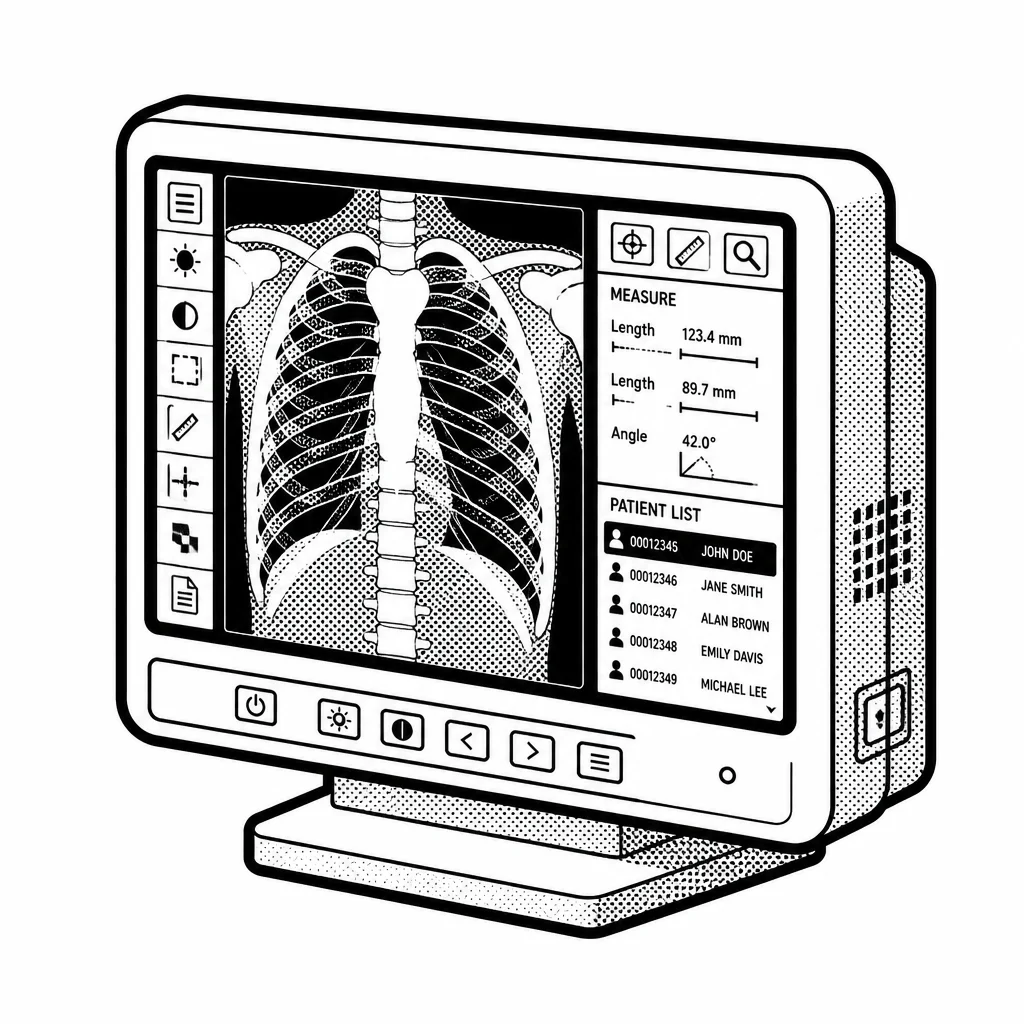
Sectra is a Swedish company that sits at the intersection of two very different worlds: medicine and secrecy. Its biggest business is medical IT — the software behind the scenes that lets hospitals store, view, and share medical images like X-rays, mammograms, and MRI scans. Doctors don't just look at a picture; they need to pull up a patient's scan from years ago, compare it instantly, and share it securely across departments or even between hospitals. Sectra's software is the plumbing that makes that happen. It has grown into one of the leading medical imaging IT providers in Europe, with a growing footprint in the United States as well.
The second business is secure communications. Sectra makes encrypted phones and secure networking gear used by government agencies, defense forces, and other organizations that need to share secrets without anyone else listening. This is not a consumer product — you can't buy it at a store. It is sold to national security customers, mostly in Europe, and it earns money through long-term contracts that tend to be sticky once a government standardizes on a system. The same encryption heritage actually helped the medical side too: early on, Sectra's security expertise let it build a medical image-sharing system that kept patient data private, which helped win hospital customers. Sectra earns money by selling software licenses, subscriptions, and long-term service contracts, plus the specialized secure devices for defense customers. Its medical imaging customers are hospitals and regional health authorities, and once a hospital installs Sectra's system, switching away is painful and expensive — that is the core of its moat. Competitors include large global imaging software vendors, but Sectra's focus on radiology and its reputation for reliability have kept it winning big contracts, including notable deals in the UK and US healthcare markets. The customer concentration risk is real too: a handful of very large health-system contracts can swing results.
Recent growth has been strong, particularly in medical IT, driven by the global push to digitize healthcare and consolidate fragmented hospital imaging systems. Sectra has also pushed into cloud-based imaging services and has been investing in AI tools that help radiologists spot problems faster and cope with growing scan volumes. The company pays a modest dividend and has historically kept a conservative balance sheet, funding growth mostly from its own cash flow rather than heavy borrowing. It is a business built on trust — hospitals trust it with patient data, and governments trust it with secrets — and that trust is both the product and the reason customers pay.
Saved answer · last researched 12 Nov 2026