Understand any stock in simple English
Enter a ticker to learn what the company does and how it makes money.
The Shipping Corporation of India Limited
It owns and operates ships that carry cargo and passengers across the world's oceans for paying clients.
Shipping Corporation of India is the country's largest shipowner — a company that buys big vessels and then rents out the space on them to move other people's stuff across the sea. If a refinery in India needs crude oil from the Middle East, or a steel mill needs iron ore from Australia, or a trading house needs to send containers full of goods to Europe, SCI's ships can do the job. The company runs bulk carriers for dry cargo like coal and grain, tankers for oil and gas, container ships for boxed goods, and even a few passenger vessels for coastal routes. Its customers are mostly large industrial and trading firms that would rather hire a proven ship operator than build their own fleet.
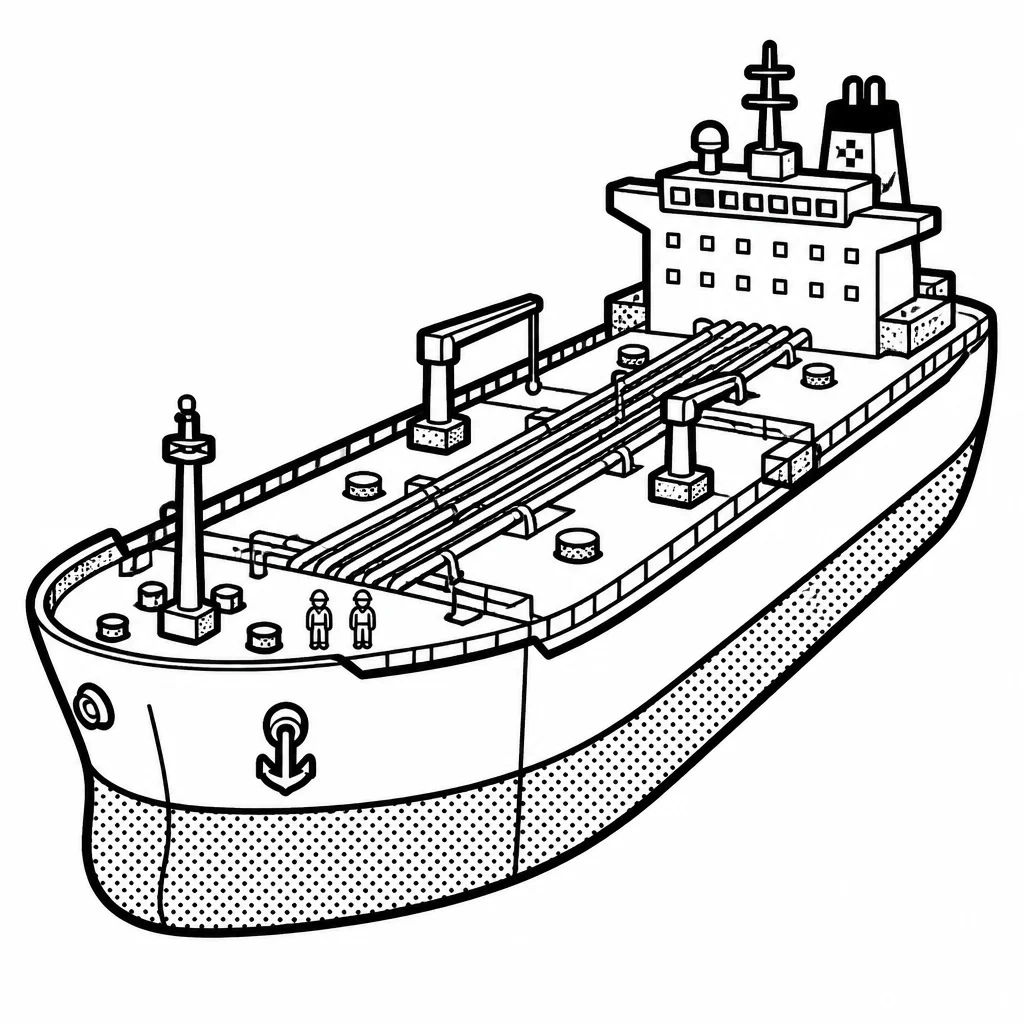
The money works like a floating landlord business. SCI owns the ships, pays to crew and maintain them, and charges clients a fee — either a fixed daily rate for the use of the vessel or a rate per ton of cargo moved. When global trade is booming and ships are scarce, those rates soar and SCI earns fat profits. When too many ships chase too little cargo, rates collapse and the same fleet can lose money. That swing is the whole story of shipping: it is a brutally cyclical business where the company that owns the most modern, efficient tonnage survives the downturns. SCI occupies a strange and important place in India. It is majority-owned by the Indian government, which has long treated it as a strategic asset — a national fleet that can be counted on in wartime or crisis when foreign shipowners might pull back. It competes with private Indian operators and with global shipping giants, and being state-controlled cuts both ways: it gets steady government cargo and backing, but it can be slower and less nimble than rivals. The government has been trying for years to sell down its stake and hand the company to private owners, a long-running privatization saga that has repeatedly stalled.
The business is also a bet on India's trade ambitions. As the country builds ports and pushes to become a bigger manufacturing exporter, it wants more of that cargo carried on Indian-flagged ships rather than foreign ones, and SCI is the natural flag-bearer for that push. The company has been investing in newer, greener vessels to replace an aging fleet and meet tightening environmental rules on ship emissions. For investors, the stock is essentially a leveraged play on global freight rates and Indian trade policy — thrilling when rates are high, punishing when they are not.
Saved answer · last researched 16 Nov 2026