Understand any stock in simple English
Enter a ticker to learn what the company does and how it makes money.
The Siam Cement Public Company Limited
Siam Cement makes and sells cement, building materials, and industrial products in Thailand and around the world.
Siam Cement is Thailand's biggest industrial conglomerate, and its name is a bit misleading. Cement is where it started, and cement and building materials are still a huge part of what it does — but the company also makes paper and packaging, chemicals, and a range of other industrial products. If you live in Thailand, the odds are good that something in your house, your office, or the road you drove on came from this company.
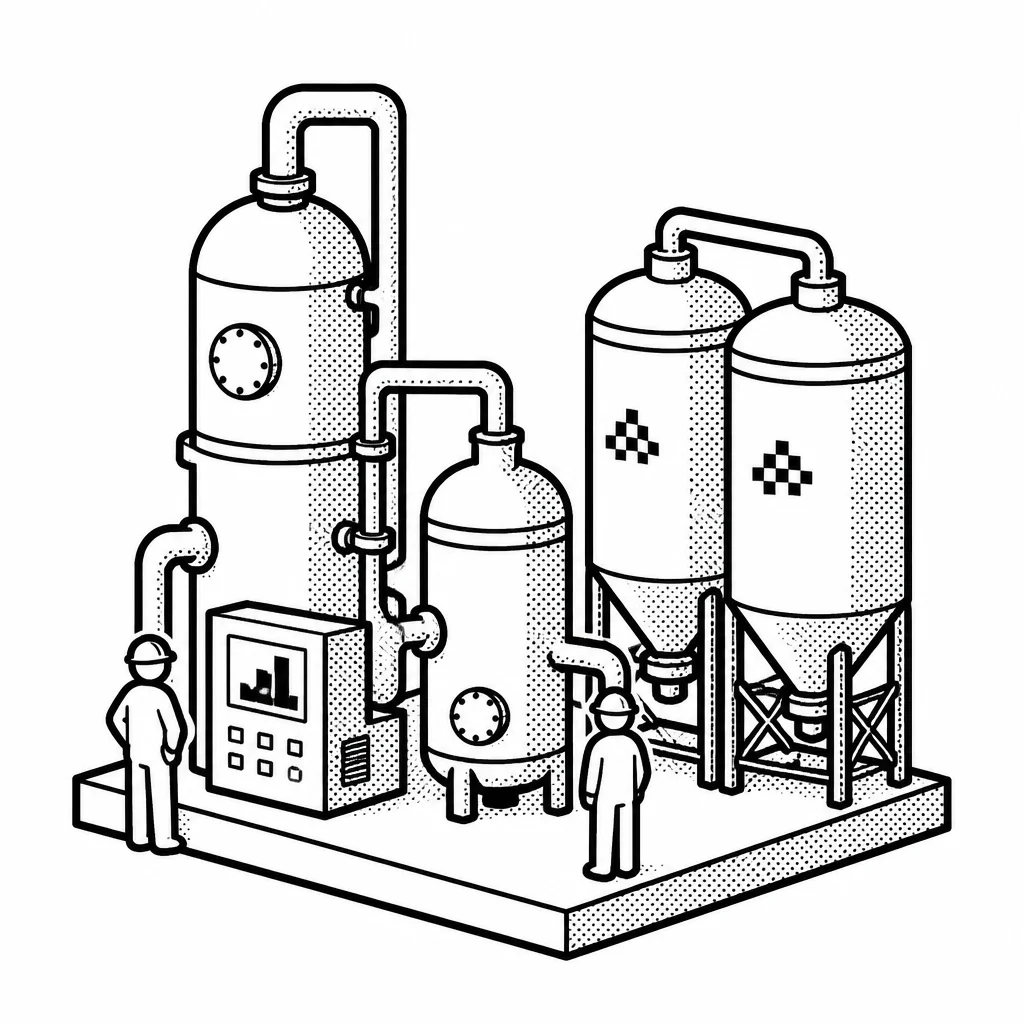
The core business is straightforward. Siam Cement runs cement plants, sells ready-mixed concrete, and produces tiles, sanitary ware, and other building materials through brands like Elephant Cement, which is close to a household name in Thailand. It sells to construction companies, developers, and do-it-yourself homeowners. The chemicals arm makes industrial chemicals used in plastics and other manufacturing, and the packaging arm makes paper and containers. These are cyclical businesses tied to construction booms and economic swings, so profits rise and fall with the building cycle. What makes Siam Cement distinctive is its ownership structure and long history. It was founded in 1913 by royal decree, and the Thai royal family's investment arm remains a major shareholder. That backing gives it stability and access to capital, but it also means the company carries a quasi-public-service reputation. It is listed on the Stock Exchange of Thailand and is one of the largest companies in the country by market value. The group also expanded abroad, particularly in chemicals and packaging, so it is not purely a bet on Thailand's construction market. The business is capital-intensive: cement plants and chemical facilities cost a fortune to build and run, and demand is sensitive to interest rates and government infrastructure spending. When Thailand builds, Siam Cement earns. When construction slows, the company feels it. It pays dividends and reinvests heavily in new capacity, and its size and diversified portfolio give it more cushion than a pure cement producer would have.
In short, Siam Cement is the quiet giant behind much of Thailand's built environment — a century-old conglomerate that turns rocks, chemicals, and paper into the physical stuff of a growing economy.
Saved answer · last researched 12 Nov 2026