Understand any stock in simple English
Enter a ticker to learn what the company does and how it makes money.
Sally Beauty Holdings, Inc.
Sally Beauty sells hair dye, shampoo, nail polish, styling tools, and other beauty supplies to everyday shoppers and to salon professionals.
Sally Beauty is a beauty supply store, but not the fancy kind in the mall. It sells the practical stuff people use to do hair and nails at home and in salons: hair color, shampoo, conditioner, nail polish, styling tools, and the little things like gloves and foils that professional stylists burn through constantly. If you color your own hair or you're a stylist stocking your station, this is the kind of store you walk into.
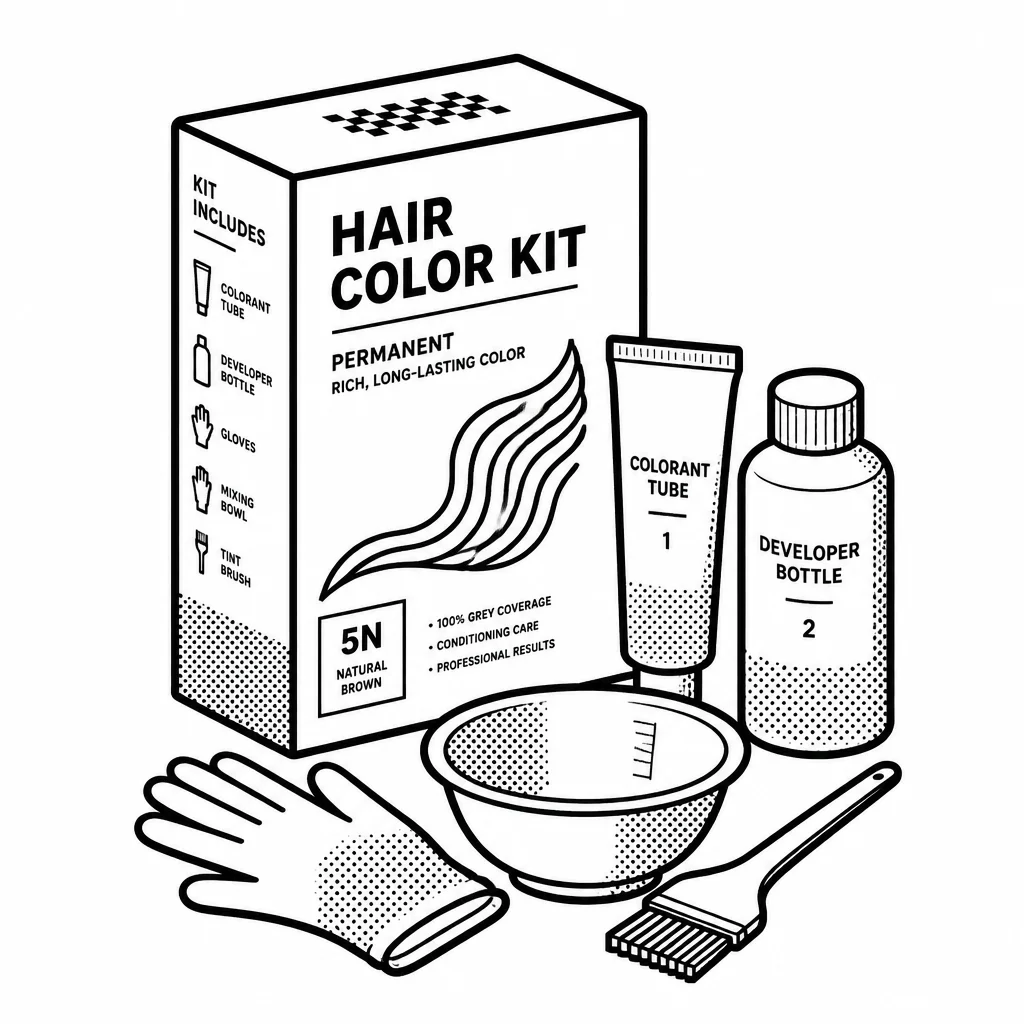
The company runs two different businesses, and they work in very different ways. The larger one is retail: Sally Beauty stores, mostly in North America and parts of Europe, where anyone can walk in and buy the same products professionals use. You don't need a license to shop there, and that's the whole point — it lets regular people buy salon-grade products without going through a salon. The smaller piece is Beauty Systems Group, which sells professional brands directly to licensed salons and stylists. On that side, sales reps visit salons, and the company holds exclusive distribution rights for certain brands, meaning a stylist who wants that brand has to go through Sally's network. Why do customers pick it? For shoppers, it's the combination of a huge selection and low prices — the stores are deliberately unglamorous, more warehouse than boutique, and that keeps costs down. For salons, it's convenience and access: exclusive brands plus reliable delivery. The obvious competitor on the retail side is Ulta Beauty, though Ulta is a prettier, more upscale shopping experience, and big-box and online sellers chip away at the edges. Sally's edge is specialty and price, not atmosphere.
The awkward part of the story is that the beauty business has drifted toward big online marketplaces and brand websites, which pressures a store chain built on physical locations. In response, Sally has leaned into its own e-commerce, loyalty programs, and its grip on professional-only brands that are harder to find elsewhere. The company is headquartered in the Dallas area, and its early history actually began as a single store in New Orleans in the 1960s. It also spends real money buying back its own shares, funded largely by the steady cash its stores generate — a sign management sees the stock as cheap rather than the business as a high-growth machine.
Saved answer · last researched 15 Nov 2026