Understand any stock in simple English
Enter a ticker to learn what the company does and how it makes money.
Sandvik AB (publ)
Sandvik makes the tools and machines that cut, crush, and mine the hard materials that build the modern world.
Sandvik makes the picks, drills, and cutting tools that other companies use to tear apart rock and metal. If you run a mine, a quarry, or a factory that shapes steel, there's a good chance Sandvik sells you the hardware that does the actual cutting. The company is based in Stockholm, Sweden, and it has quietly become one of the world's biggest suppliers of industrial tooling.
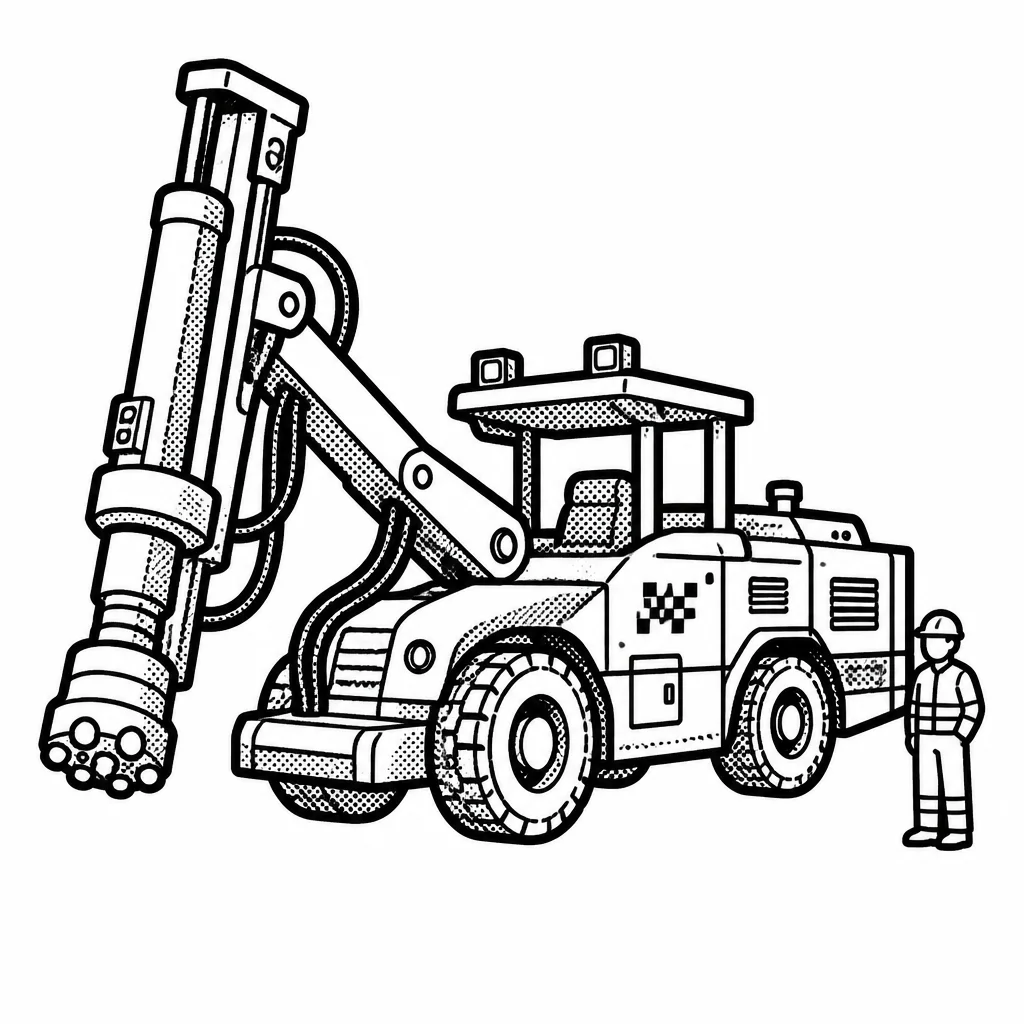
The business splits into three main chunks. Sandvik Mining and Rock Solutions builds equipment for digging and crushing — underground loaders, rock drills, and the cutting picks that chew through stone. Sandvik Rock Processing handles the machines that turn big rocks into smaller ones. And Sandvik Manufacturing and Machining sells the small, precise cutting tools — drills, inserts, end mills — that factories use to sculpt metal parts. That last piece is the crown jewel: tools may look boring, but they're consumables. A factory buys them over and over, and Sandvik's carbide recipes and coatings are hard to match, so customers stick around. Sandvik also owns a materials technology arm that makes advanced alloys and heating systems, plus a smaller medical wire business. The whole empire traces back to 1862, when a Swedish engineer named Göran Fredrik Göransson figured out how to make steel on an industrial scale using the Bessemer process. That steel became the foundation for wire, tube, and eventually cutting tools — a nice example of a company that started with one hard problem and kept solving harder ones.
The honest downside: Sandvik is a cyclical business. When miners cut spending or factories slow down, orders for drills and cutting tools fall, and the stock swings accordingly. It also faces tough rivals in Caterpillar and Epiroc in mining gear, and Kennametal in cutting tools. But the consumables model is a real moat — customers don't want to gamble on a cheap drill bit when a broken tool can halt a million-dollar machine. Sandvik returns cash to shareholders through dividends and buybacks, and it keeps investing in automation and digital monitoring so its tools can tell customers when they're about to fail.
Saved answer · last researched 12 Nov 2026