Understand any stock in simple English
Enter a ticker to learn what the company does and how it makes money.
AB Sagax (publ)
Sagax owns and manages warehouse and light industrial buildings across Europe and earns rent from the businesses that occupy them.
Sagax is a landlord for the unglamorous backbone of the economy: the warehouses, storage halls, and light industrial buildings where companies keep goods and run small-scale production. It buys or builds these properties, rents them out on long leases, and collects the rent month after month. Its tenants are the kind of businesses that need space more than they need a fancy address.
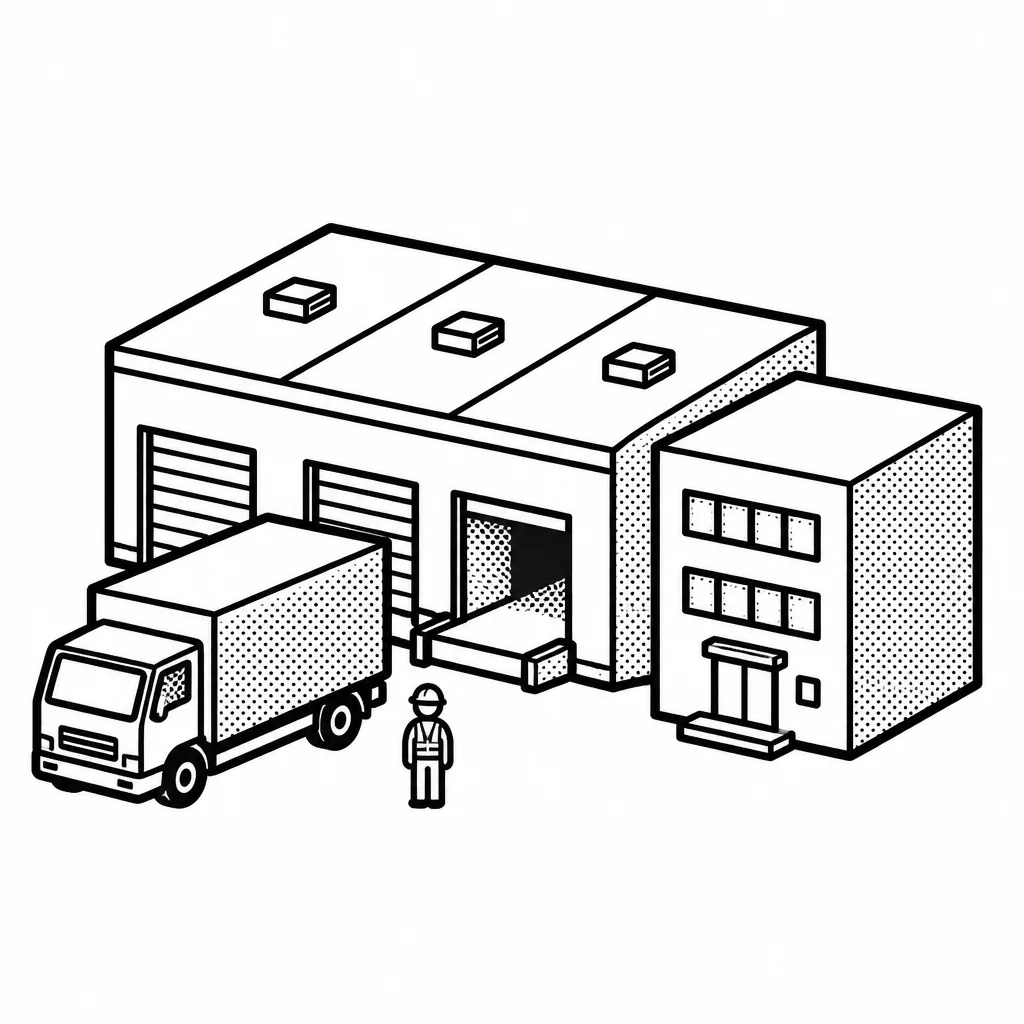
The appeal of this niche is that it is boring in a good way. Warehouse tenants tend to stay put, because moving a distribution operation is expensive and disruptive, and fitting out a new building costs money. That gives Sagax fairly steady rental income with relatively low tenant turnover. The company operates across a spread of European markets rather than betting on one country, which cushions it when any single economy wobbles. Sagax's model is to keep growing the property portfolio, funded by a mix of cash flow, debt, and raising new capital from shareholders, and its shares trade on Nasdaq Stockholm. Property companies like this are sensitive to interest rates, since debt is a core part of how they buy buildings, and to the health of the industrial economy that fills the warehouses. When rates rise or tenants struggle, the math gets harder.
It is best understood as a long-term owner of practical, working buildings rather than a flashy developer. The business succeeds when it buys well, keeps vacancies low, and lets rising rents and property values do the compounding over time.
Saved answer · last researched 12 Nov 2026