Understand any stock in simple English
Enter a ticker to learn what the company does and how it makes money.
SMA Solar Technology AG
SMA Solar makes the inverters and related equipment that turn sunlight into usable electricity and help homeowners and businesses manage their solar power.
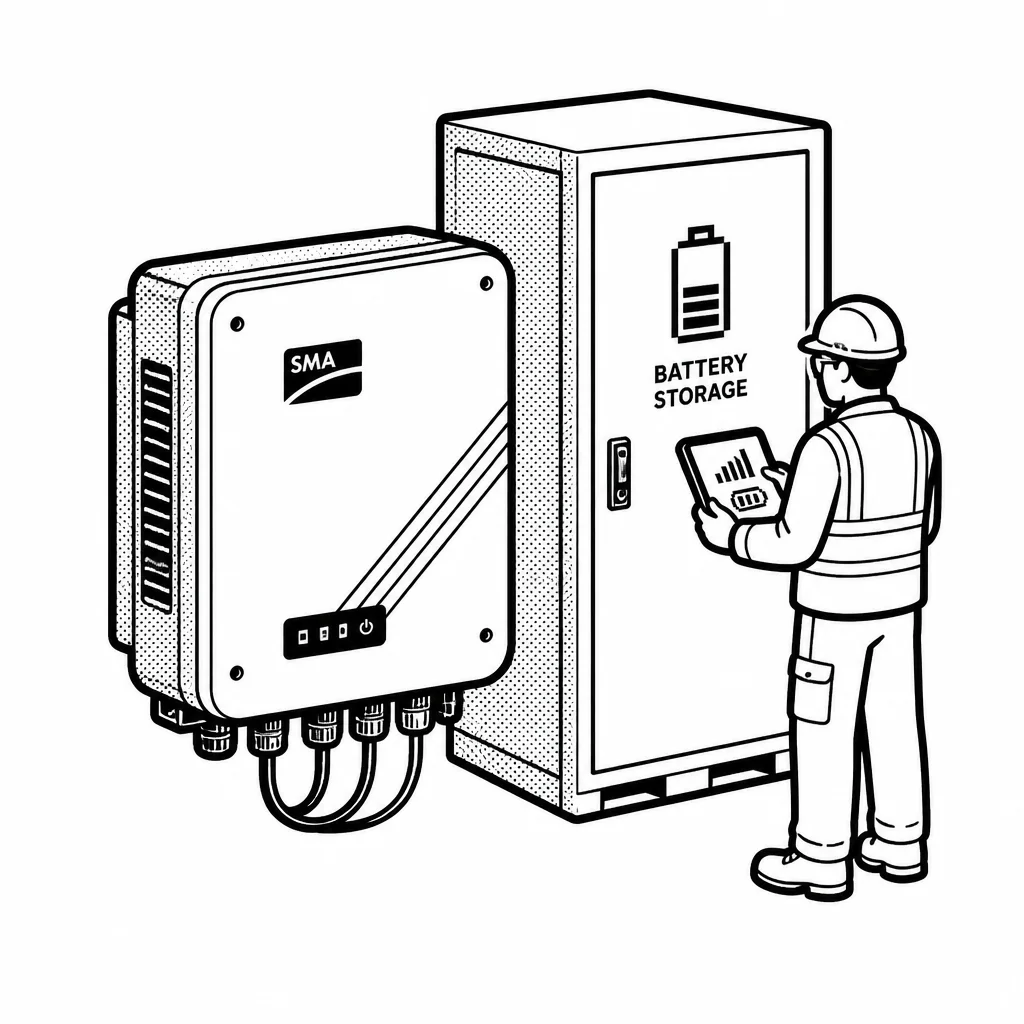
SMA Solar is a German company that makes the brains of a solar power system. When solar panels catch sunlight, they produce direct current electricity, which is useless for running a home or feeding into the grid. SMA's inverters convert that raw DC power into the alternating current that appliances and power lines actually use. The company also sells monitoring systems so owners can see how much power their panels are making, battery inverters that store excess solar energy for later, and electric vehicle chargers that let drivers fill up their cars from the sun.
Customers are mostly solar installers and distributors who buy SMA equipment and put it into residential rooftops, commercial buildings, and large solar farms around the world. The company built its reputation on reliability and engineering quality, and for years it was the world's top-selling inverter brand. That premium positioning is the pitch: buyers pay more for SMA gear because a failed inverter means lost electricity and an expensive service call, so proven durability matters more than a few dollars of savings. The business has had a rough ride. Chinese rivals like Huawei and Sungrow flooded the market with cheaper inverters, crushing prices and squeezing SMA's margins. SMA has swung between profits and losses, cut jobs, and restructured repeatedly as it tried to compete on cost without abandoning its quality image. Its home market of Germany, once the world's solar leader, also slowed down after subsidy cuts, forcing SMA to look harder at international sales. A large solar farm order can lift results quickly, but the residential market is lumpier and more exposed to interest rates, since expensive financing makes homeowners think twice about putting panels on the roof.
SMA's biggest bet now is that solar plus batteries plus EV charging becomes one connected system, and whoever sells the whole package wins. It also pushes into utility-scale projects and digital services that monitor and optimize solar fleets remotely. The question hanging over the company is simple: can a high-cost German manufacturer defend premium prices in a market where competitors keep getting cheaper? That fight, more than anything about sunshine, decides whether SMA thrives or keeps shrinking.
Saved answer · last researched 12 Nov 2026