Understand any stock in simple English
Enter a ticker to learn what the company does and how it makes money.
Singapore Technologies Engineering Ltd
ST Engineering makes and maintains complex machines and systems — from aircraft and army vehicles to satellites and smart city tech — mostly for governments and big institutions.
ST Engineering is a Singaporean engineering giant that builds, fixes, and upgrades the hardware governments and big institutions depend on. If a country needs to keep its fighter jets flying, its armored vehicles rolling, or its air traffic running smoothly, ST Engineering is the kind of company that gets the call. It works across aerospace, electronics, land systems, and marine — four broad areas that all share one theme: complicated machines that must work reliably, often in dangerous or high-stakes situations.
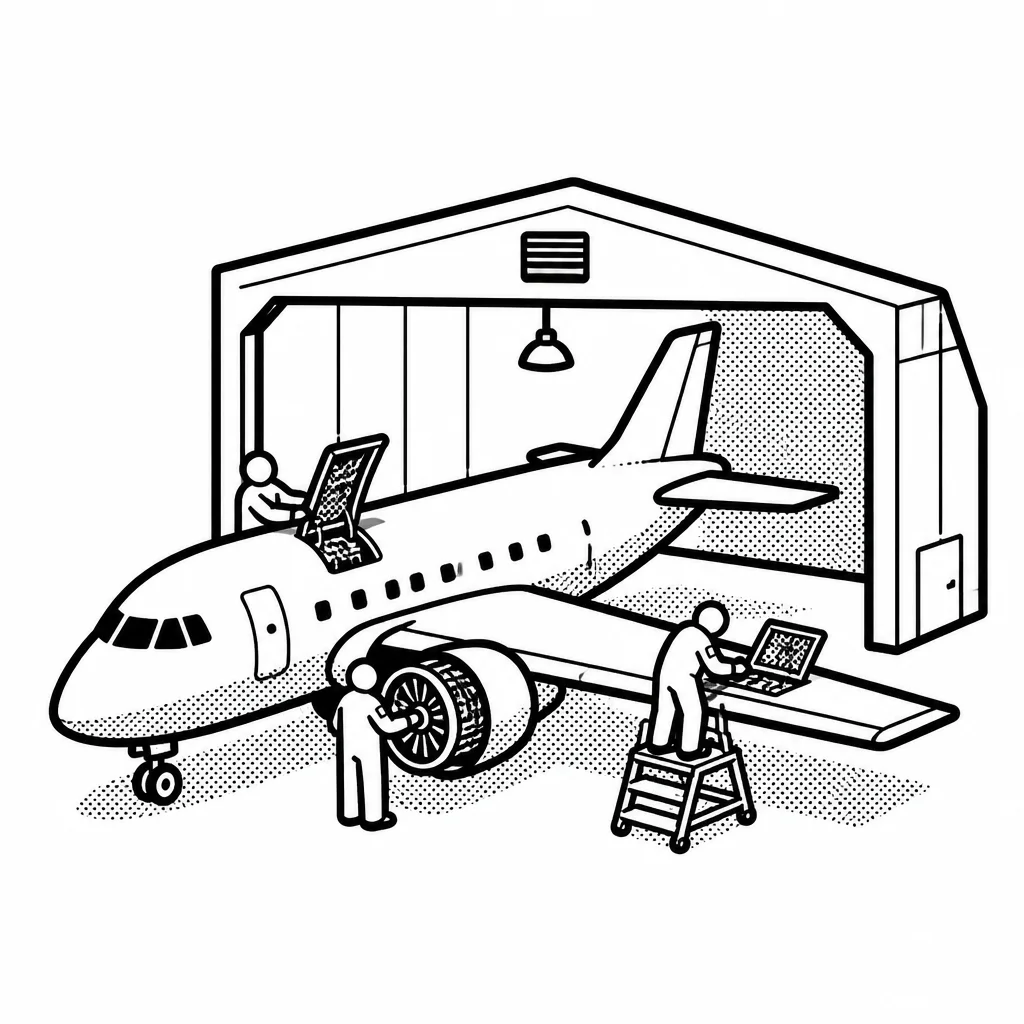
The aerospace business is the biggest and most visible piece. ST Engineering does heavy maintenance on commercial aircraft — taking planes apart, checking every component, and putting them back together so airlines can keep flying. It also makes parts and does work on military aircraft and engines. Airlines pay for this because planes on the ground earn nothing, and a trusted maintenance partner keeps them in the air safely. On the defence side, it builds armored vehicles, weapons systems, and naval vessels, largely for Singapore's military but also for other governments. It also runs one of the world's larger satellite communications businesses, selling bandwidth and equipment to ships, aircraft, and remote sites. A big part of the story is that ST Engineering is not just a manufacturer — it's a services company. Much of its money comes from long-term maintenance contracts, upgrades, and support deals that renew year after year. That recurring revenue makes the business steadier than a pure factory that lives or dies by each new order. It also has a growing "smart city" arm, selling traffic systems, digital identity tools, and public safety technology to cities and agencies.
The company is majority-owned by Temasek, Singapore's state investment fund, which gives it a deep home-market base and a strong reputation with governments. It competes with global defence contractors and aircraft maintenance firms, but its edge is being a one-stop shop across air, land, sea, and digital — a rare combination. It pays a steady dividend and has grown through acquisitions, including expanding its satellite and smart-city reach. The main risks are familiar: defence budgets can shift, and big government contracts can be slow and political.
Saved answer · last researched 12 Nov 2026