Understand any stock in simple English
Enter a ticker to learn what the company does and how it makes money.
SATS Ltd.
SATS feeds and handles the bags for airlines, running the kitchens and cargo docks that keep planes flying and passengers fed.
SATS is the company working behind the scenes at airports, doing the unglamorous jobs that let planes take off. It cooks and packs the meals airlines serve in the air, and it loads and unloads cargo and baggage on the ground. Most travelers never see SATS, but their flight and their suitcase almost certainly passed through its hands.
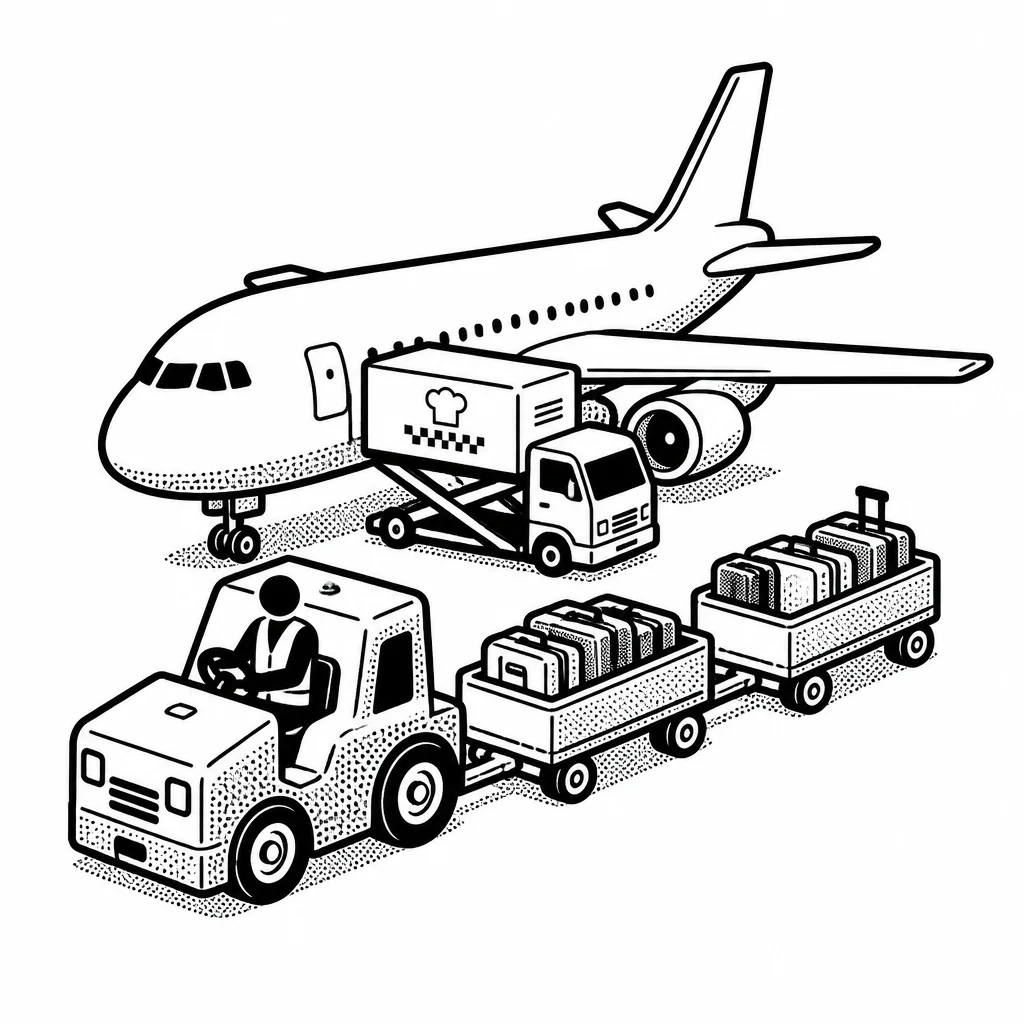
The business splits into two main pieces. One is food: SATS runs industrial kitchens that prepare tens of thousands of airline meals a day, along with catering for institutions like hospitals and schools, plus some retail food brands. The other is ground handling: moving cargo, loading bags, and running the logistics that connect a plane to the terminal. Airlines pay SATS so they don't have to build kitchens and cargo docks at every airport themselves. It's cheaper and faster to hire a specialist who already has the equipment, the staff, and the safety approvals in place. SATS is a Singaporean company, and for years its home airport, Changi, was the heart of its world. That changed in a big way in 2023, when it bought Worldwide Flight Services, a large cargo and ground-handling business, turning SATS into one of the biggest airport-service companies on the planet. The deal added scale and a global footprint, but it also loaded the company with debt and exposed it to a tougher, more cyclical cargo market. When global trade slows, cargo volumes fall, and SATS feels it.
It's a business with high fixed costs and thin margins: kitchens, trucks, and warehouses cost money whether planes are full or half-empty. That makes it sensitive to travel demand and to competition from other handlers, some of them backed by state-owned airport groups. Still, SATS sits in a privileged spot. Airlines need reliable, safety-certified service, and switching handlers at a busy airport is a hassle. One of its more inventive moves was turning used cooking oil into sustainable aviation fuel in partnership with Neste, a small bet on the greener future airlines are being pushed toward. The simple version: SATS makes its money feeding people and moving their stuff through airports, one flight at a time.
Saved answer · last researched 12 Nov 2026