Understand any stock in simple English
Enter a ticker to learn what the company does and how it makes money.
South32 Limited
South32 is a mining company that digs up metals and minerals — like aluminum, copper, zinc, and manganese — and sells them to factories and manufacturers around the world.
South32 is a mining company. It pulls metals and minerals out of the ground — aluminum, copper, zinc, lead, silver, manganese — and sells them to the factories and builders that turn them into everything from cans and cars to batteries and steel. If you drank from a soda can or drove a car today, there's a decent chance some of the metal inside it started in one of South32's mines.
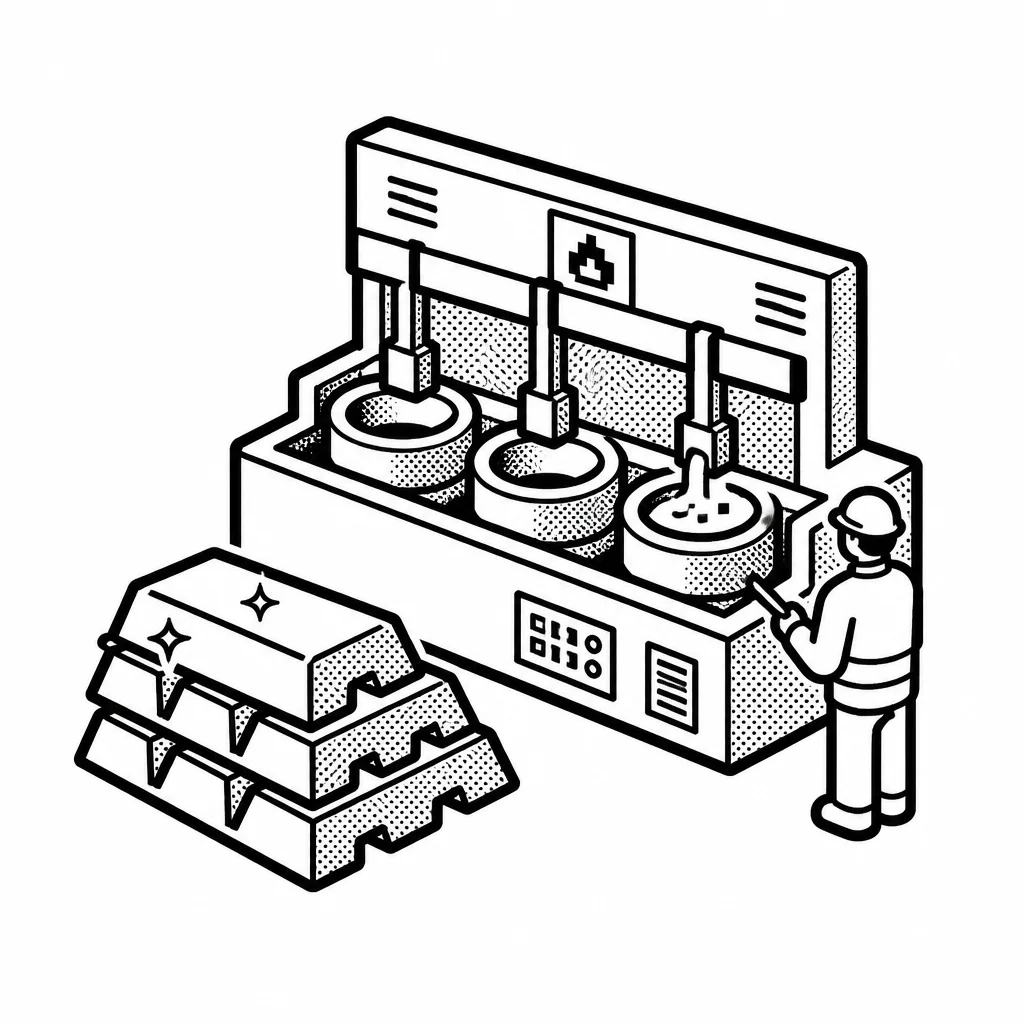
The company was spun out of BHP in 2015, which is why it inherited a grab bag of mines scattered across Australia, South Africa, and South America rather than one neat business. That history matters: South32 is a collection of assets, some strong and some struggling, and management has spent years sorting out which ones deserve more money and which should be sold or closed. Its biggest earners today are aluminum smelters and alumina refineries, plus copper mines in South America that feed the growing demand for electrification. Here's how the money actually works. South32 digs up a commodity, sells it at whatever price the global market sets that day, and tries to keep its own digging costs below that price. It has almost no say over what aluminum or copper sells for — a Chinese smelter or a nervous global economy can move the price overnight. So the real skill is running mines cheaply and safely, and owning assets that stay profitable even when prices sag.
That price-taking reality makes South32 a cyclical business, and it has had a bumpy ride. The company has written down the value of some assets, weighed whether to sell its South African coal business, and faced the usual mining headaches: labor disputes, power outages, and government rules that can change the game. On the upside, copper and aluminum are in rising demand for power grids, electric vehicles, and renewable energy, which is why the company has been steering money toward those metals. It also pays a dividend, though the size swings with commodity prices — a reminder that in mining, the ground gives you a living, but it doesn't give you a steady one.
Saved answer · last researched 12 Nov 2026